German Shepherd Mental Stimulation: 13 Indoor Brain Games
Is your clever shepherd begging for brain power and you want it indoors, without turning your living room into a battlefield?
These brain games are designed to challenge their minds, burn energy, and keep tails wagging on rainy days or when you’re stuck inside.
Stick with me and you’ll have a smarter, happier pup who actually enjoys indoor play — let’s dive in now.
1. Puzzle Box Treasure Hunt
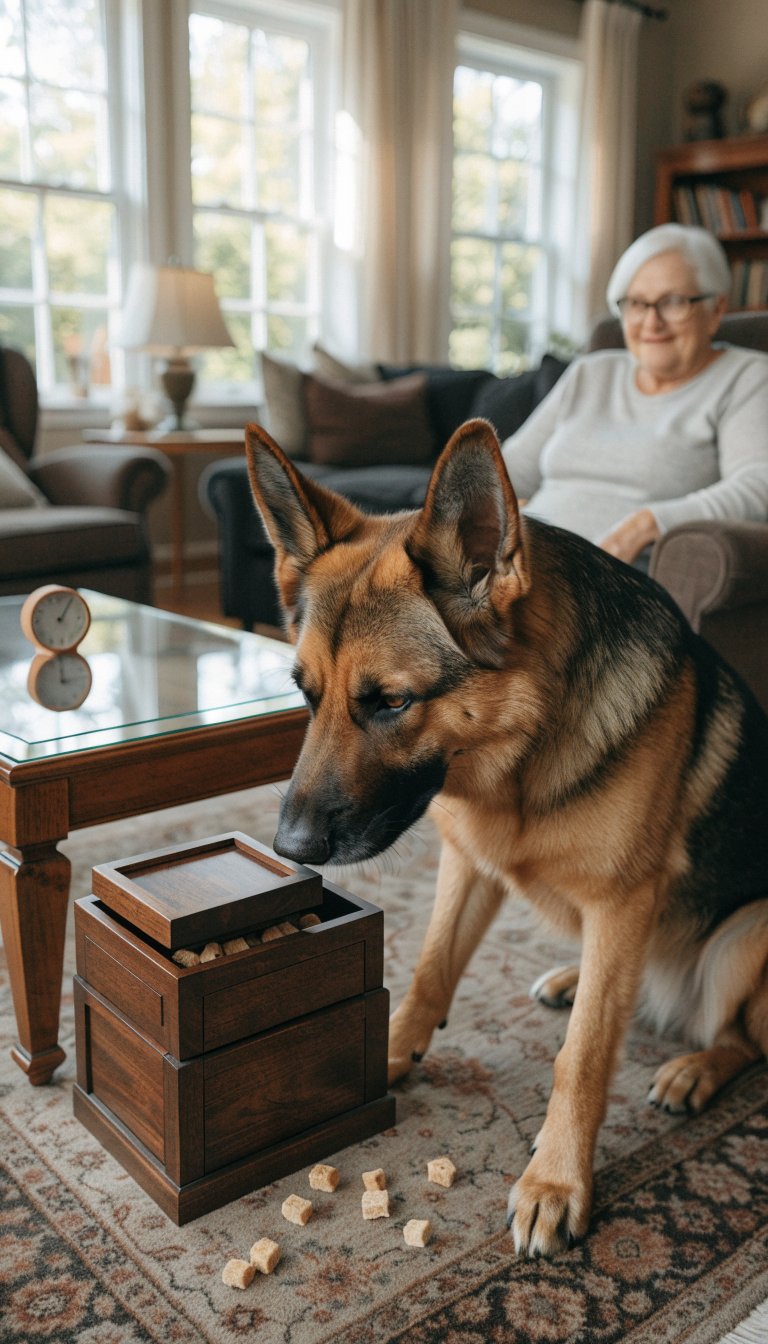
This classic brain teaser turns dinner time into a mini-adventure. Your dog will learn to problem solve while you soak up the peace of a quiet pup.
Why it works: it taps into natural sniffing instincts and offers gradual challenges so your shepherd stays engaged rather than frustrated.
What You Need:
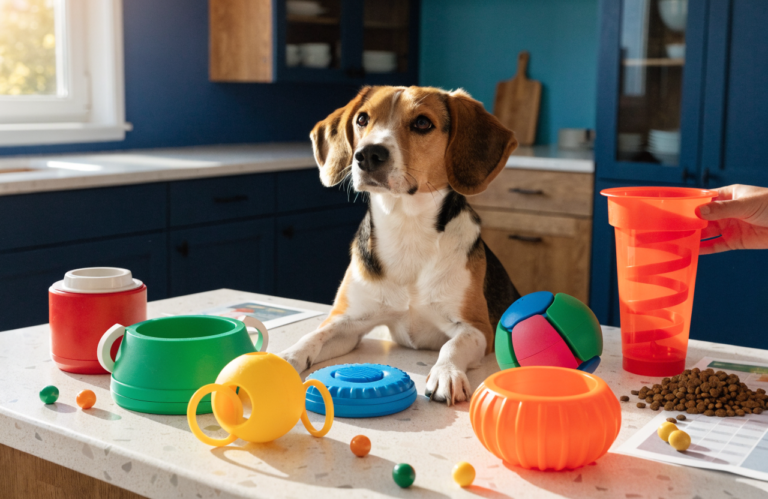
- A sturdy puzzle box or treat-dispensing toy
- Healthy treats cut into small pieces
- Patience and a timer to gradually increase difficulty
How to play: hide treats in compartments, close the lid, and let your dog sniff and nudge their way to the prize. Increase the puzzle complexity as they get better. Benefits include sharper problem solving and longer attention spans.
2. Cupboard Cleverness Game
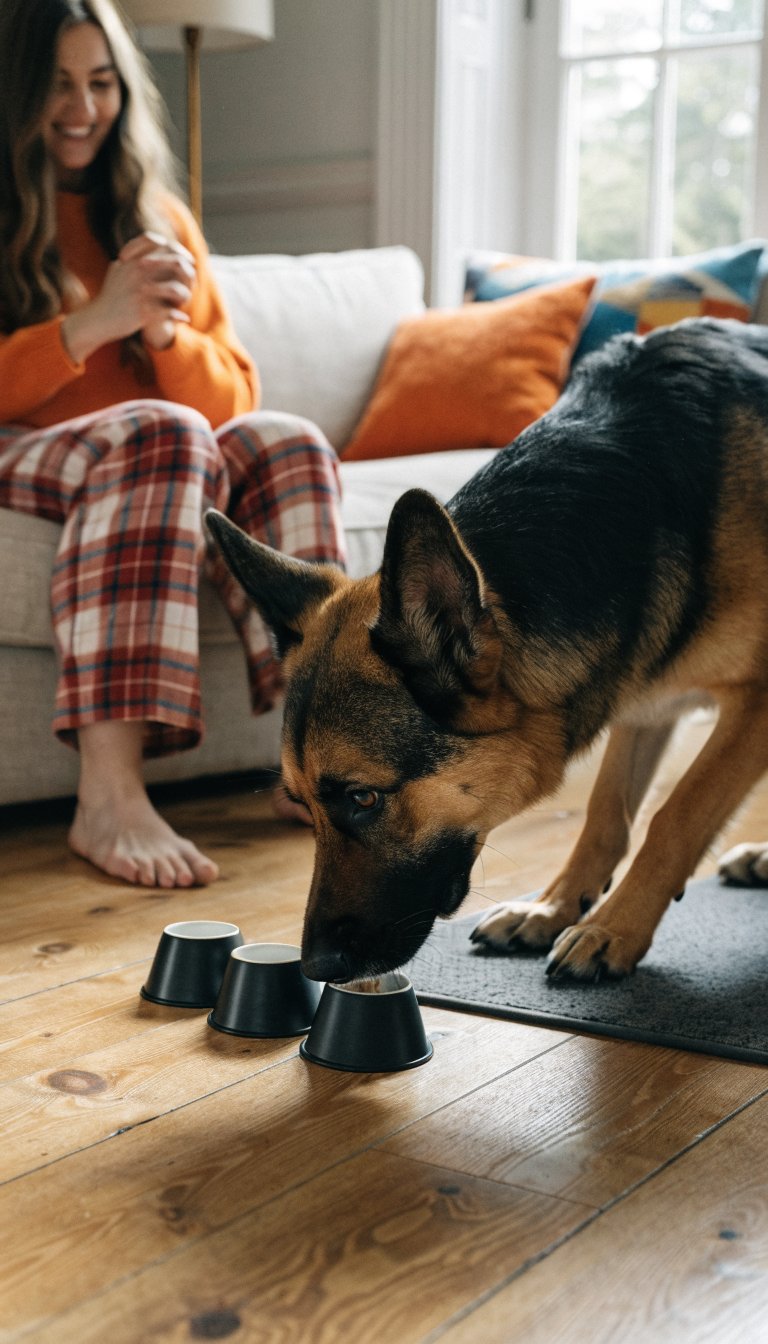
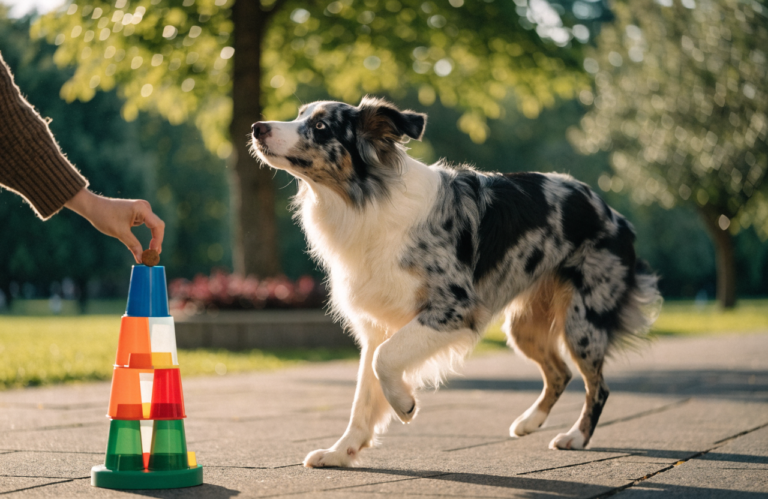
Line up three cups, hide a treat under one, and shuffle. Your shepherd will use their nose and brain to find the prize, all while you stay tuckered out from cheering them on.
Why this is great: tiny, repeatable challenges boost confidence and focus without needing a lot of space.
Tips and Tricks:
- Start with one treat under a single cup and gradually add more cups
- Use a non-slippery mat to keep cups in place
- Keep sessions short and end on a win
End result: confident sniffing, improved memory, and a dog who loves problem solving.
3. Hide and Seek 2.0
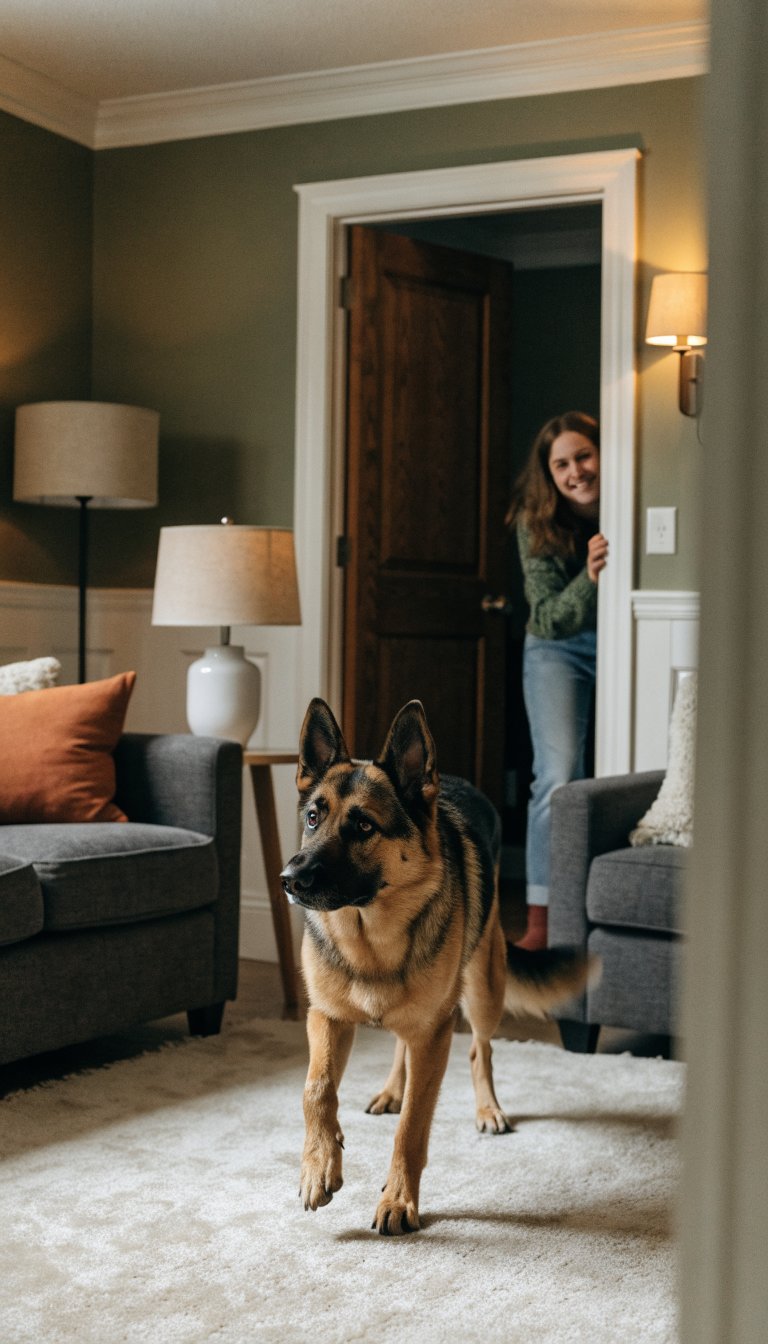
Who says grown ups get all the fun? Hide in another room and call your shepherd to find you. It’s social, it’s athletic, and it trains reliable recall too.
Why it shines: mental stamina meets physical play, and your dog learns to listen under slight distractions.
We Recommend:
- Start with easy hiding places
- Reward when they find you with praise and a treat
- Increase distance gradually
Bonus: this is a fantastic confidence booster for shy shepherds and a great bonding moment.
4. DIY Tug with a Twist
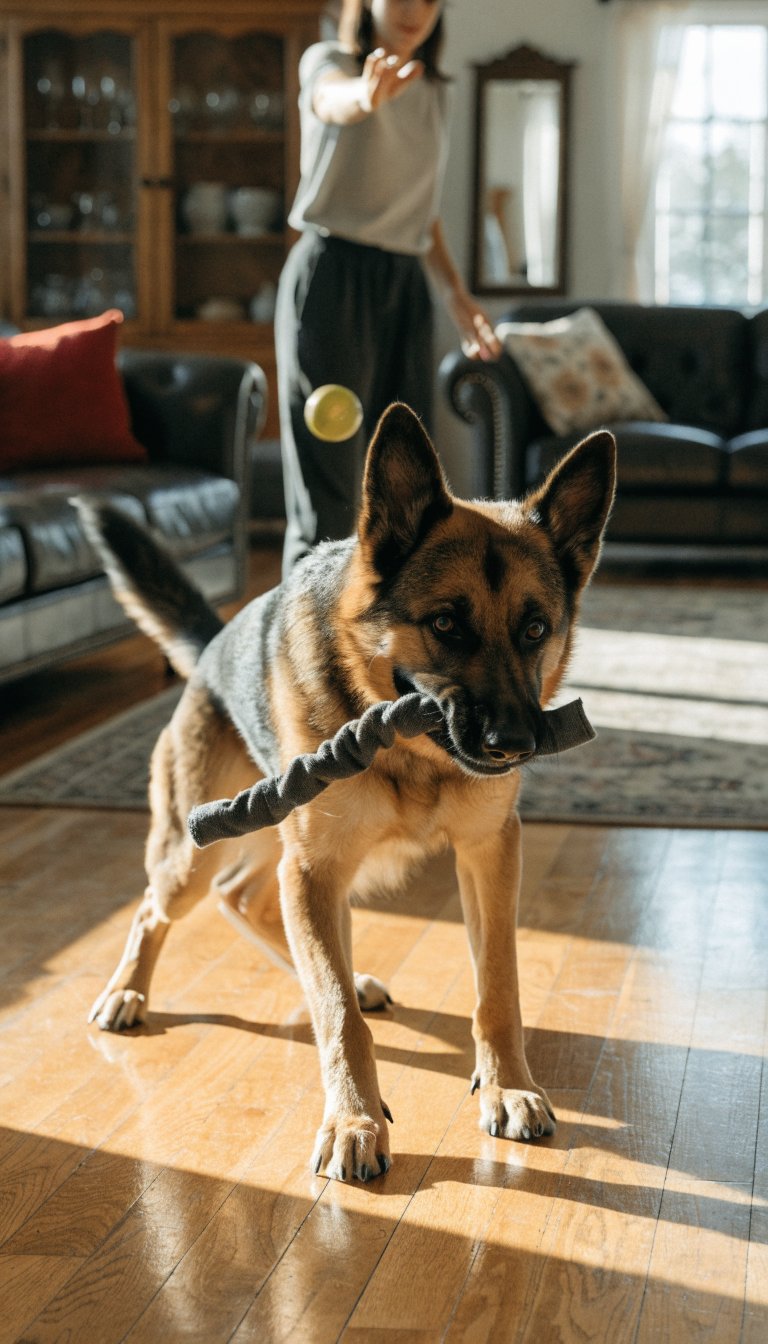
Tug is timeless, but you can amp it up with fetch-like twists and commands. It still burns energy but adds a brainy layer to keep it fresh.
What makes it effective: you control turns, pauses, and trick commands to keep their brains engaged mid-game.
How to Run It:
- Use a sturdy tug toy and set boundaries
- Pause and ask for a sit or stay, then resume
- Incorporate a quick fetch sequence to switch gears
End note: consistent rules keep play safe and mentally stimulating, not chaotic.
5. Treat Detective Nose Work
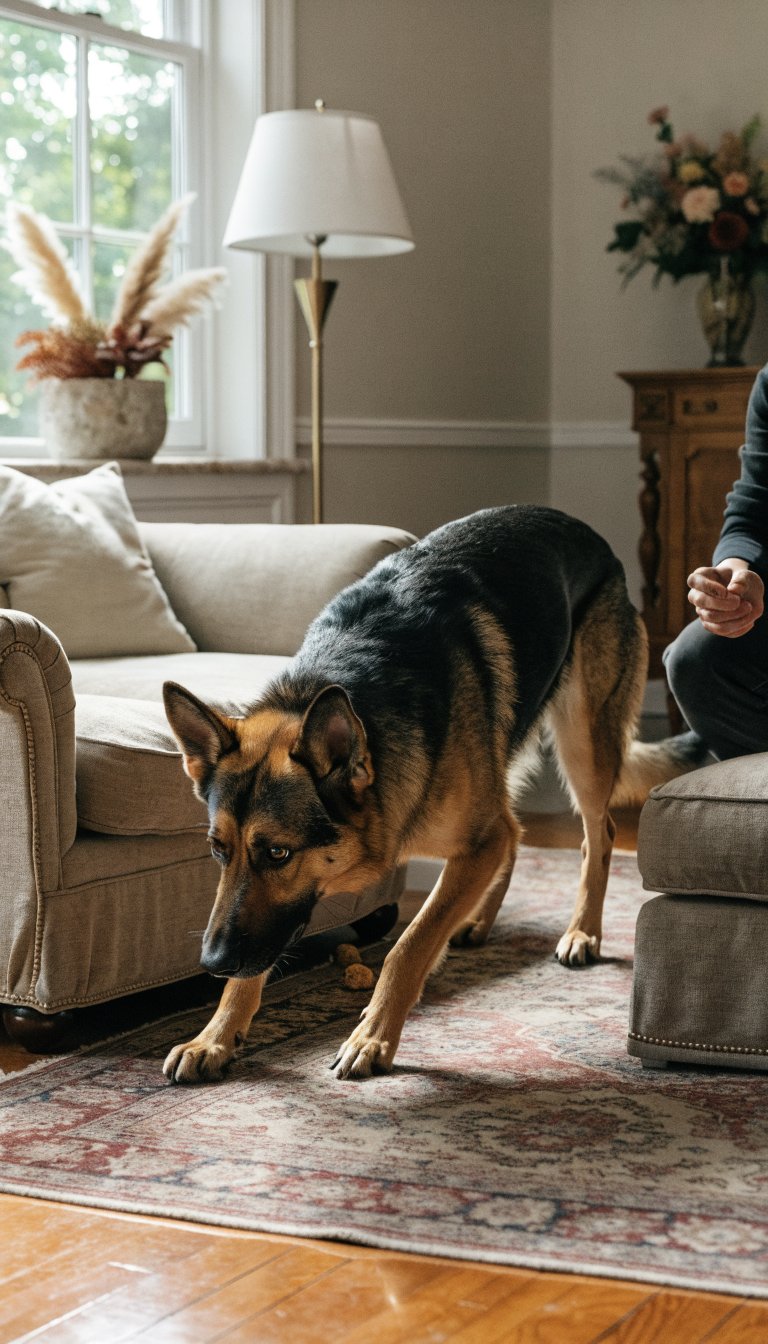
Your shepherd uses their most powerful sense and you watch their confidence soar. This is mental coaching disguised as sniffing fun.
Key idea: hide scented treats around a single room and let them hunt using only their nose.
Key Points:
- Use natural scents like peanut butter or ham bits
- Increase hiding spots as they improve
- Keep sessions short and positive
Benefits include better focus, improved nose work, and a sled-dog level sense of accomplishment.
6. The Keyboard Dash: Find the Button
Tap into curiosity by placing several labeled buttons or lids with different textures around a tray. Your shepherd learns to push or nudge toward a reward.
Why you’ll love it: it’s portable, cheap, and surprisingly satisfying for canine problem solvers.
What to Do:
- Place 3-5 buttons with treats beneath one
- Encourage nudges, not rough paws
- Rotate textures to keep interest high
Outcome: a clever dog who uses strategic taps to unlock rewards.
7. Shell Game for Dogs
Think of it as the classic shell game but tailored for your shepherd. It’s fast, fun, and trains patience and focus.
Why it hits the spot: mental agility with a simple setup means you can play nightly after dinner.
Set Up:
- Three or four cups or lids
- A treat under one cup
- Clear your dining area for safety
Tip: switch which cup hides the treat to keep their brain on its toes. They’ll learn to observe and deduce quickly.
8. Sequenced Trick Scramble
Turn on your best trainer voice and teach a small sequence of moves. Your shepherd loves a challenge, and you’ll love the adorable progress.
What to include:
- Sit, paw, drop, twist, roll
- Clap or click as a cue starter
- End with a treat and praise
Why this works: it reinforces learning, memory, and the bond between you two. Plus, it’s incredibly cute when they nail a move for the first time.
9. Cardboard Castle Adventures
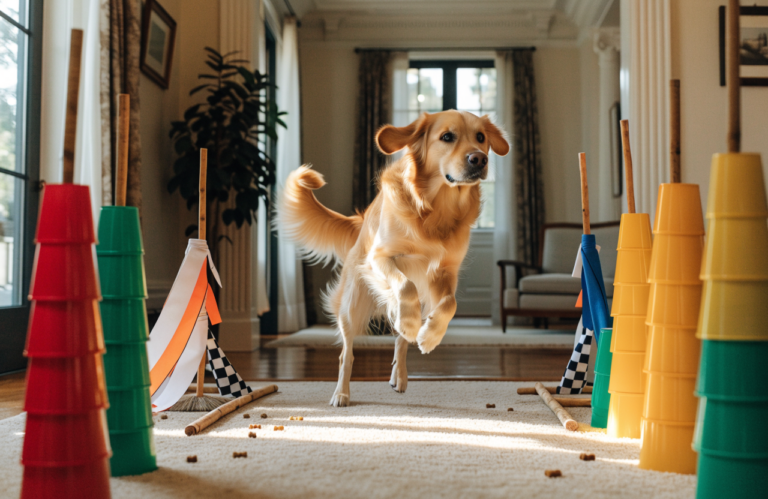
Build a mini obstacle course with couch cushions, tunnels, and cardboard boxes. It’s DIY playground genius that stirs the imagination and provides safe physical exertion.
Why you’ll adore it: cheap, customizable, and endlessly repeatable for different difficulty levels.
Mini Guide:
- Drag a tunnel from a cardboard box
- Line up safe jumps over soft pillows
- Place treats at strategic checkpoints
Benefit: enhanced problem solving and a great way to tire out even the brightest shepherd.
10. Sniff and Seek: Scent Trails
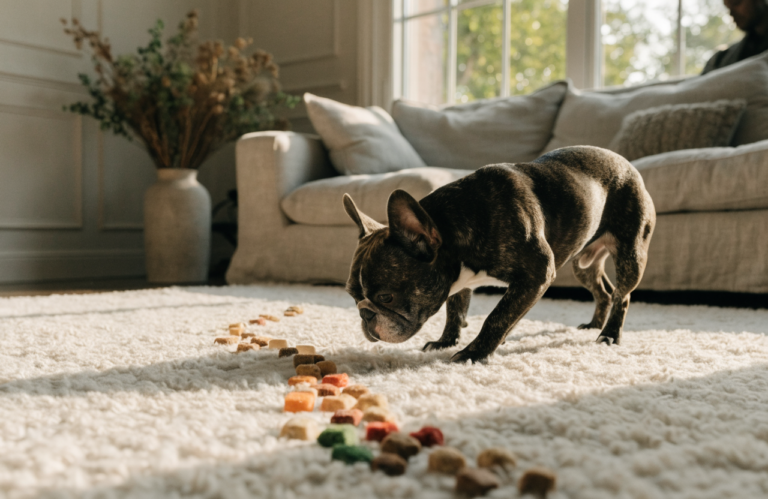
Leave a scented trail with a few treats or a favorite toy. Your smart dog follows the trail and uses their nose like a pro.
It’s rewarding because it mimics real-world scent work and builds confidence in guided exploration.
How to Run It:
- Mark a trail with your dog’s favorite scent
- Keep the trail manageable for a beginner
- Celebrate when they reach the end reward
When to use: on rainy days or when you want a calm but stimulating activity.
11. Name That Toy Challenge
Teach your shepherd to fetch specific toys by name. It sounds fancy but is actually a blast and super brainy.
Why it matters: boosts language processing in dogs and gives them a delightful mental workout.
Try This:
- Introduce several toys with distinct names
- Reward when they fetch the correct one
- Gradually add more toys and longer names
Result: a dog who knows multiple toys by name and loves the challenge.
12. Treat Maze with Distractions
Create a tiny maze using furniture and cushions with treats scattered along the path. Add a couple of soft distractions to test focus without frustration.
Why it’s awesome: it blends problem solving with self-control, a key mix for a well-rounded shepherd.
Tips:
- Keep the maze tight for beginners
- Once they understand, widen the path or increase distractions
- End with an easy reward to finish on a high note
Bonus: you’ll probably get a few adorable victory spins at the end.
13. Rapid Recall Relay
Set up a quick sequence of actions with a treat at the end. Ask for a sit, then a paw, then a target touch on your hand, then release for the reward.
Why this lands: it reinforces short term memory and fluency with commands while keeping pace lively.
Structure:
- 2-4 steps per round
- Repeat until smooth, then take a break
- Celebrate with a final treat and cuddle
Application: this routine is perfect for short play sessions between chores or during a lull in the day.
In case you’re wondering, consistency beats intensity here. Short, frequent brain sessions beat one long marathon any day. FYI, your shepherd will start offering smarter problem solving as their confidence grows, and you’ll become the go-to brain trainer in your friend group.
If you liked these ideas, try weaving two or three into a daily routine this week. Trust me, a little mental workout goes a long way for German Shepherds who crave purpose and play.
Ready to start? Grab a handful of treats, a timer, and a whole lot of patience — your clever pup is about to thank you with even bigger brainy grins.
About the Author

Hazzatul Khan
Dog Care & Training Expert
Hazzatul Khan is a passionate dog lover and canine care specialist with years of experience in dog training, nutrition, and everyday behavior management. He is dedicated to helping pet parents build happier, healthier, and safer relationships with their furry friends through simple, natural, and science-backed dog care advice.