Dachshund Digging Box: A Backyard Project With a Supply Checklist
Dachshund Digging Box: A Backyard Project With a Supply Checklist
So your dachshund has a nose for adventure and a talent for turning dirt into a personal playground. A dedicated digging box is the perfect compromise—keeping your yard intact while giving your wiener dog a sanctioned spot to work out those digging urges. Let’s get you set up, from concept to a fully stocked supply box, with a few tips that actually work in real life.
Why a digging box anyway? Here’s the short version
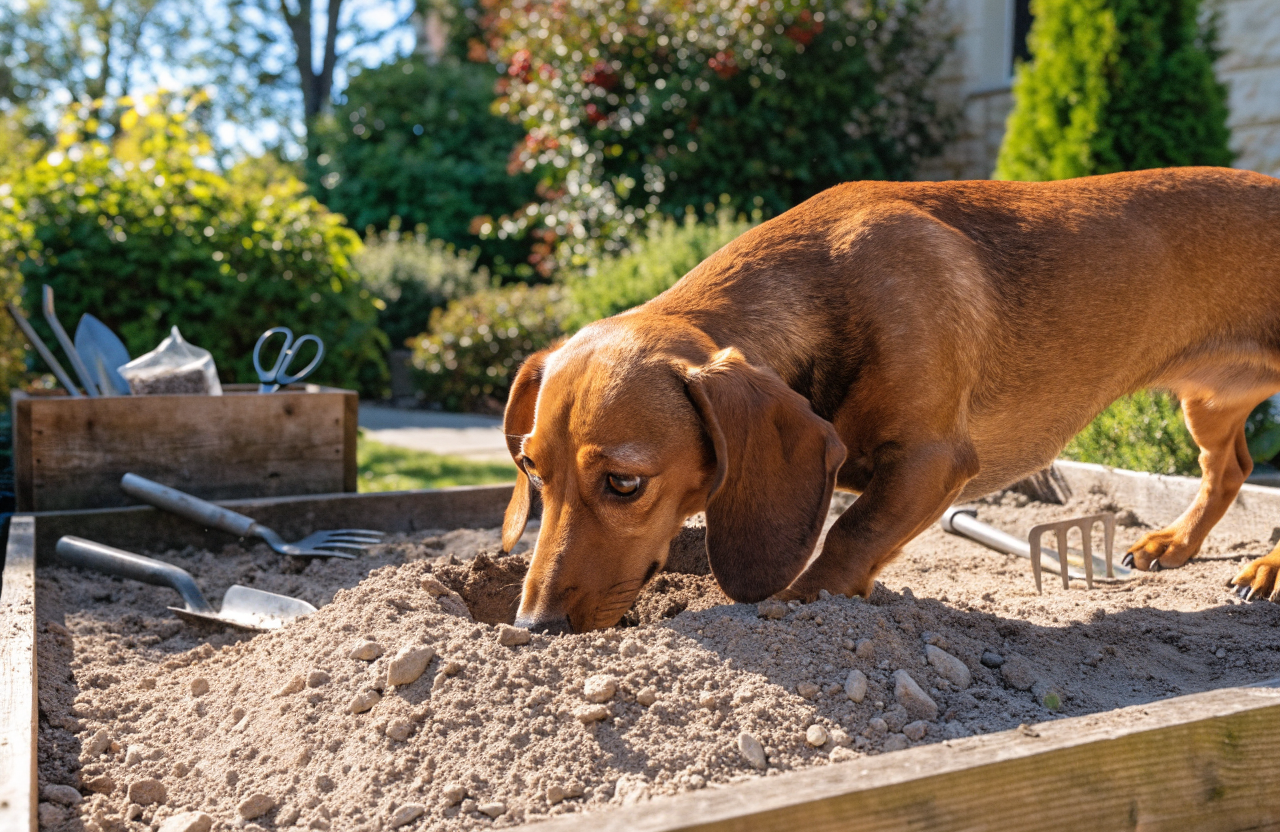
Digging is a natural dachshund instinct. A digging box gives them a dedicated outlet, protects your plants, and keeps your dog happily occupied. Think of it as a tiny, controlled sandbox for the curious little hunter in your pup. FYI, a well-designed box can save your grass and your sanity.
Choosing the right spot and box design

A good digging box starts with a good home base. Consider sun exposure, drainage, and proximity to your dog’s favorite sniffing routes.
- Location matters: Pick a spot that gets partial sun and isn’t a swamp after a rain. You don’t want a muddy mess every time it rains.
- Box dimensions: A 2–3 square foot box is plenty for one Dachshund. If you have multiple dogs, go bigger. Height should be shallow enough that your pup can hop in without turning it into a trench ordeal.
- Material: Wooden boxes look cute, but heavy rain means maintainance. Plastic bins work, but they can feel cramped. A shallow, wide planter with smooth edges can hit the sweet spot.
- Depth: Aim for 6–12 inches deep so digging feels satisfying without burying your whole lawn stake-by-stake.
Optional features that actually help
- Vent holes or slits for drainage
- Covered top to cut down wind-blown dirt (especially in spring)
- Easy-clean liner or tarp to catch spills
Supply checklist: what you actually need
Here’s the practical shopping list. I’ve split it into must-haves, nice-to-haves, and DIY-friendly add-ons so you can tailor to your vibe and budget.
Must-haves
- Box or dedicated digging bed (as discussed above)
- Non-toxic fill material (clean sand or soil, avoid artificial mixes)
- Play tools: small shovel, scoop, and a couple of digging toys
- Non-slip mat or edging around the box to tame stray dirt
- Wash station nearby: a hose or bucket for quick rinse-offs
- At least one chew-safe toy to redirect when boredom hits
Nice-to-haves
- Drainage layer (gravel or coarse sand underneath to help water move through)
- Weatherproof cover to keep rain out when not in use
- Sealant or protective coating for wooden boxes to extend life
- Ongoing bag of replacement fill for refreshing the bed every season
DIY-friendly add-ons
- Borders with low wooden edging to keep the box tidy
- Hidden storage for toys and tools under a removable lid
- Portable lid so you can move the box or cover it during rain
Setup steps: getting it ready in a weekend

Let’s map out a simple, low-effort plan.
- Choose your spot and box shape. Measure, draft, and decide if you want a planter-style bed or a simple tub.
- Lay the base: gravel for drainage or a thin tarp layer to keep soil from direct contact with the ground.
- Add the fill: sand is great for digging texture; soil is more natural but heavier. Mix in a few safe toys and a couple of treats to encourage play.
- Introduce your pup: bring your dachshund to the spot with a favorite toy or treat. Let them sniff around and start digging a little. Reward with praise.
- Establish rules: “dig here, not there.” Show them the boundary and be consistent. Sarcasm optional, but encouraged when the dog looks confused.
Training the digging box: tips that actually work
You want the box to be a happy place, not a free-for-all.
Make it irresistible
– Scatter a few high-value treats in the bed to encourage a few quick digs.
– Use a favorite toy as a digging trigger. If they associate the box with play, they’ll go there first.
Set boundaries with style
– If your dog starts pawing dirt outside the box, calmly guide them back. Avoid punishment; consistency beats scolding every time.
Seasonal tweaks
– Summer: keep it cool with shade or a shallow layer of sand that doesn’t wind up burning paws.
– Winter: keep the box accessible and make sure the fill isn’t frozen or muddy.
Maintenance: keeping the digging box pleasant for you and your pup
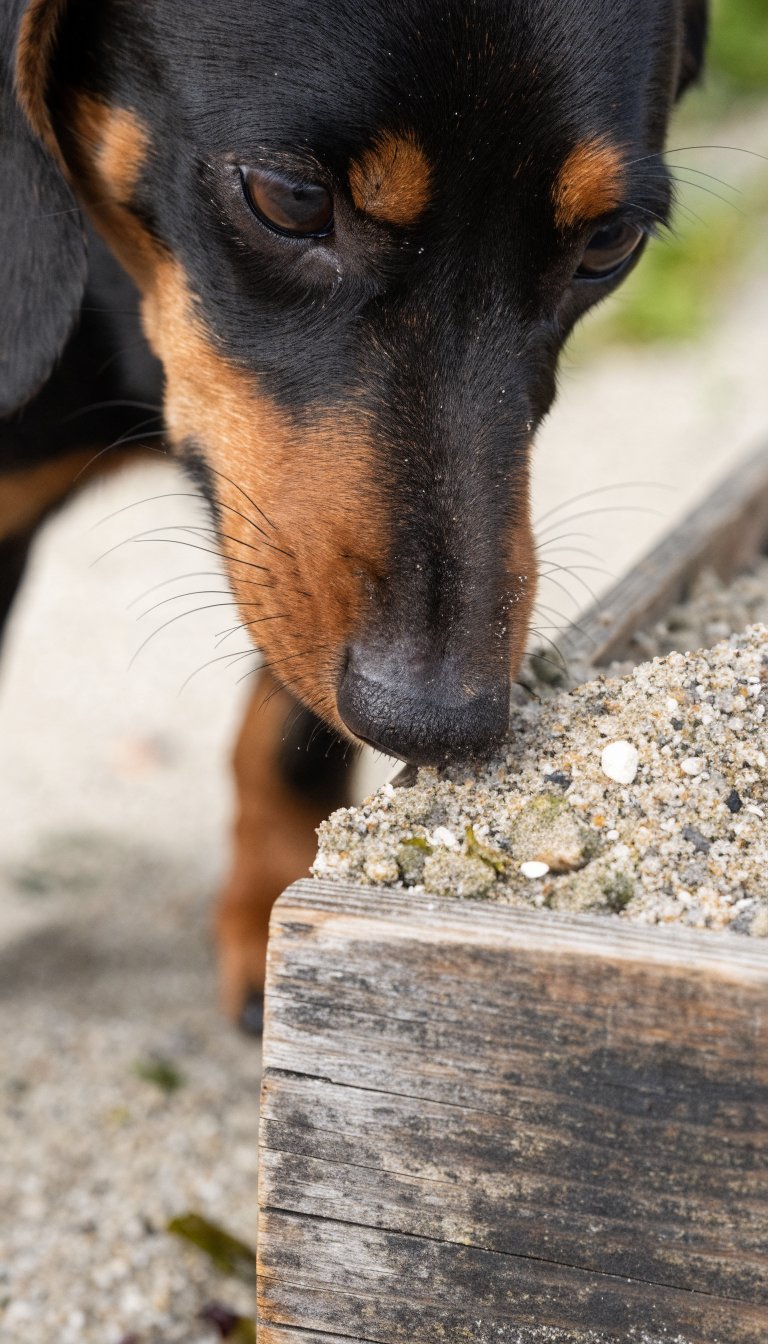
A little upkeep goes a long way.
- Rinse and refresh: periodically swap out soiled fill, especially after rainy spells.
- Clean toys: wash digging toys to prevent skin irritations or stuck-on gunk.
- Check edges: smooth any splinters if you’re using wood, and replace worn parts as needed.
- Watch for pests: keep an eye out for ants or other critters that could creep in. FYI, a light sprinkling of diatomaceous earth around the border can help, but avoid direct contact with the dog.
Safety first: what to watch out for
We love a good DIY project, but safety is non-negotiable.
- Non-toxic materials only: no treated wood or yard chemicals near the digging area.
- Supervise when needed: while digging, especially with puppies, to prevent ingesting soil or foreign objects.
- Hydration: keep water handy after a long session; dachshunds can overheat quickly in bright sun.
Decor and vibes: making it feel like part of the yard
Your digging box doesn’t have to be industrial. Make it charming and cohesive with the rest of your outdoor space.
- Natural tones match your garden—think earth tones or muted greens.
- Low-profile edging blends with lawn rather than shouting “DIY project!”
- Shade and seating nearby makes sessions more enjoyable for you and your pup
FAQ
Is a digging box necessary for a dachshund?
Yes, if you want to satisfy natural digging instincts without destroying your garden. It’s a win-win: your yard stays intact and your dog stays happy and busy.
What should I fill the box with?
Non-toxic, sandy soil or clean play sand works well. Avoid clay-heavy soils that clump, and skip any fill with sharp stones. The goal is a texture your dog can easily paw through and enjoy.
How do I introduce a new digging space without causing chaos?
Start slow. Place a few treats and a favorite toy in the box, then gradually extend digging time. Reward calm, focused digging. FYI, consistency is key here.
What if my dog loses interest?
Try rotating toys, adding scent cues (like a smelly toy), or changing the fill texture every few weeks. A fresh element can rekindle curiosity.
How do I prevent mess from spreading into the yard?
Use a border or edging and a washable mat around the box. Lightly sweep or hose down the surrounding area after digging sessions.
Conclusion
A dachshund digging box is a practical, playful addition that respects everyone’s sanity—dog and gardener alike. With a clear plan, a solid supply checklist, and a bit of training, your yard can stay intact while your pup enjoys a tailored outlet for its digging urges. IMO, the best part is how satisfying it feels to see a dog happily scratching away in a designated spot instead of turning your prize hostas into a moon crater. So grab that shovel, line up your supplies, and give your dachshund a nook built for exploration and a little mischief. Your grass will thank you, and so will your furry friend.
About the Author

Hazzatul Khan
Dog Care & Training Expert
Hazzatul Khan is a passionate dog lover and canine care specialist with years of experience in dog training, nutrition, and everyday behavior management. He is dedicated to helping pet parents build happier, healthier, and safer relationships with their furry friends through simple, natural, and science-backed dog care advice.