Labrador Slow Feeders: Bowls vs. Mats vs. Puzzle Toys
Labrador Slow Feeders: Bowls vs. Mats vs. Puzzle Toys
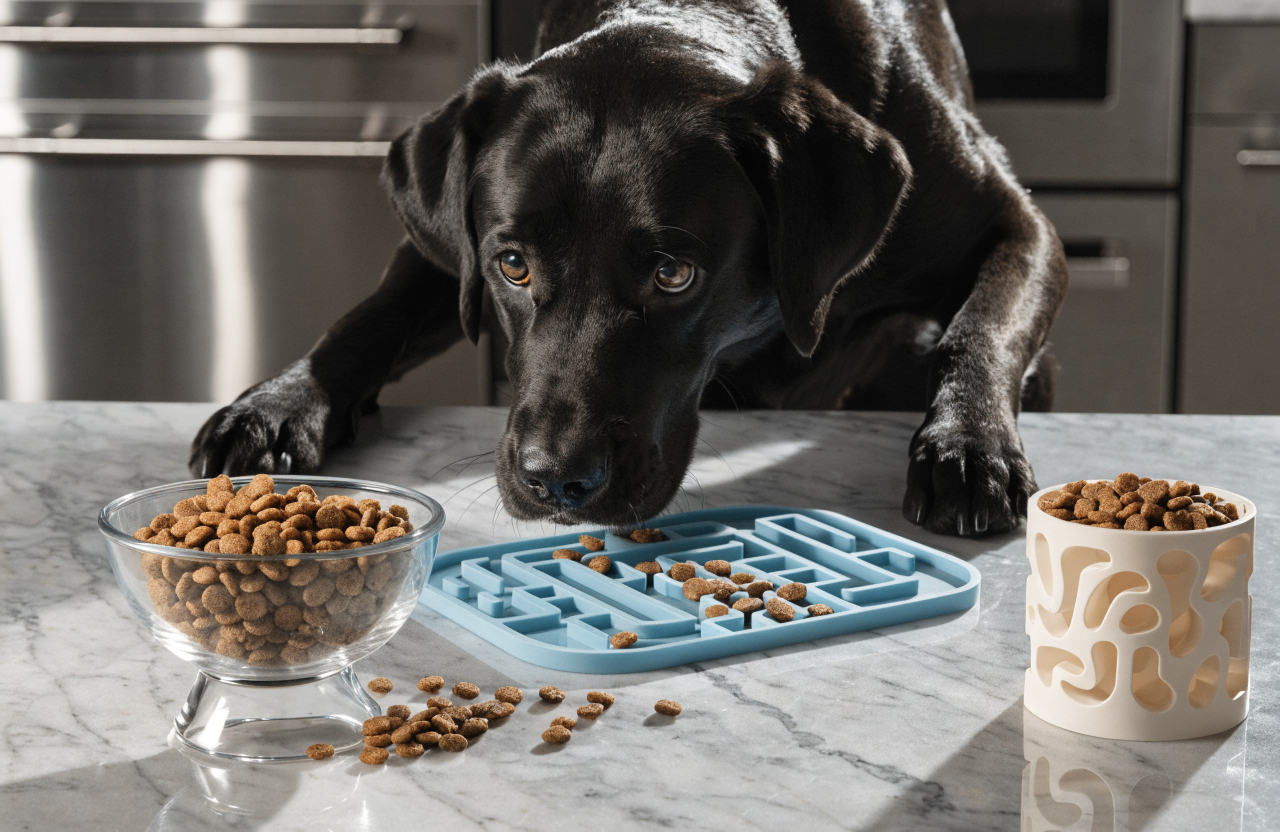
Biting into mealtime with a Lab is part appetite, part strategy. You want him fed, but you also want to stretch those mealtime minutes into brainy, bite-sized challenges. Slow feeders exist for a reason—and Labradors, with their love of digging in and sniffing out every crumb, are prime candidates. So let’s compare bowls, mats, and puzzle toys and figure out what actually works for a slobbering, goofy furball.
What makes a slow feeder worth it for a Lab?
Labradors aren’t just food monsters; they’re efficient, ambitious eaters who like to multitask while scarfing. Slow feeders can prevent gulping, reduce bloat risk, and turn a meal into a mind game. FYI, a too-quick Labradoodle sprint to the floor isn’t cute if it ends with a tummy ache. A good slow feeder balances frustration and reward, making the meal a mental workout rather than a race.
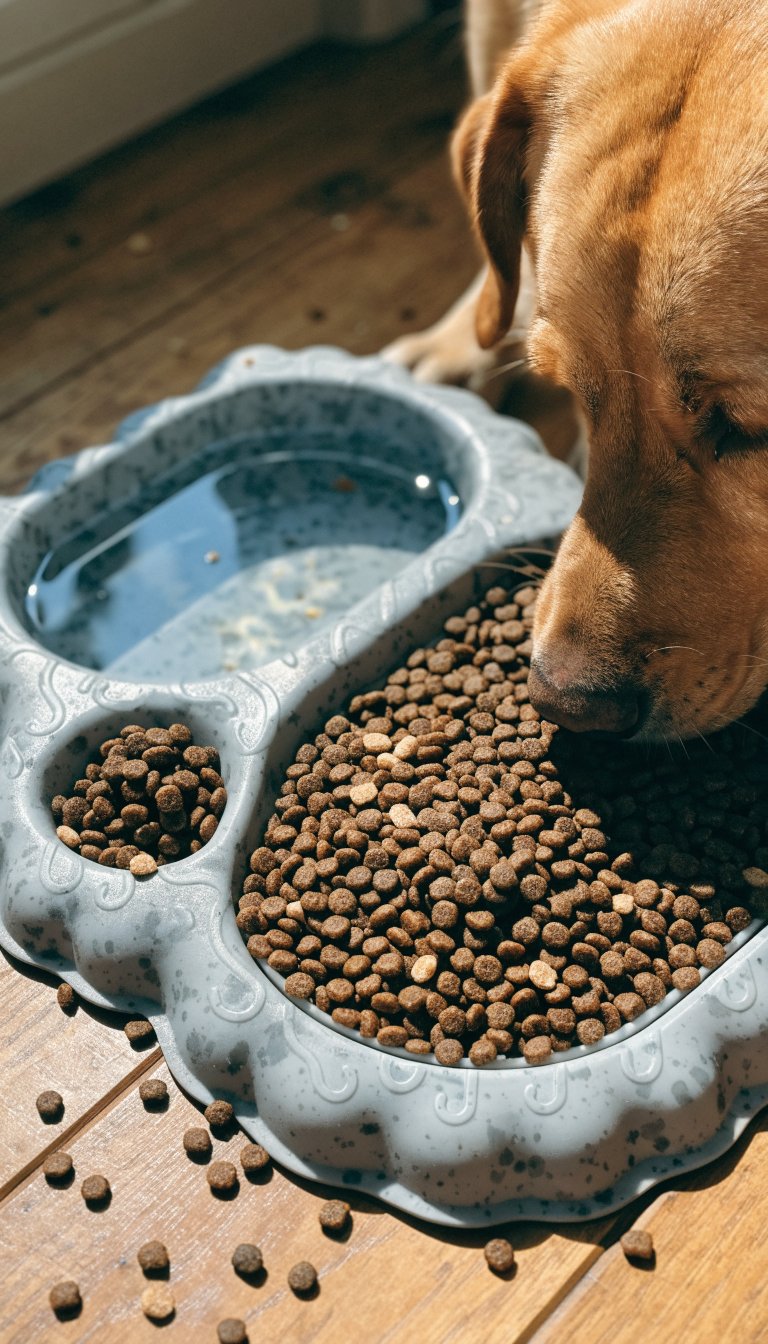
Bowl-style slow feeders: simple, effective, and sometimes hilariously engineered
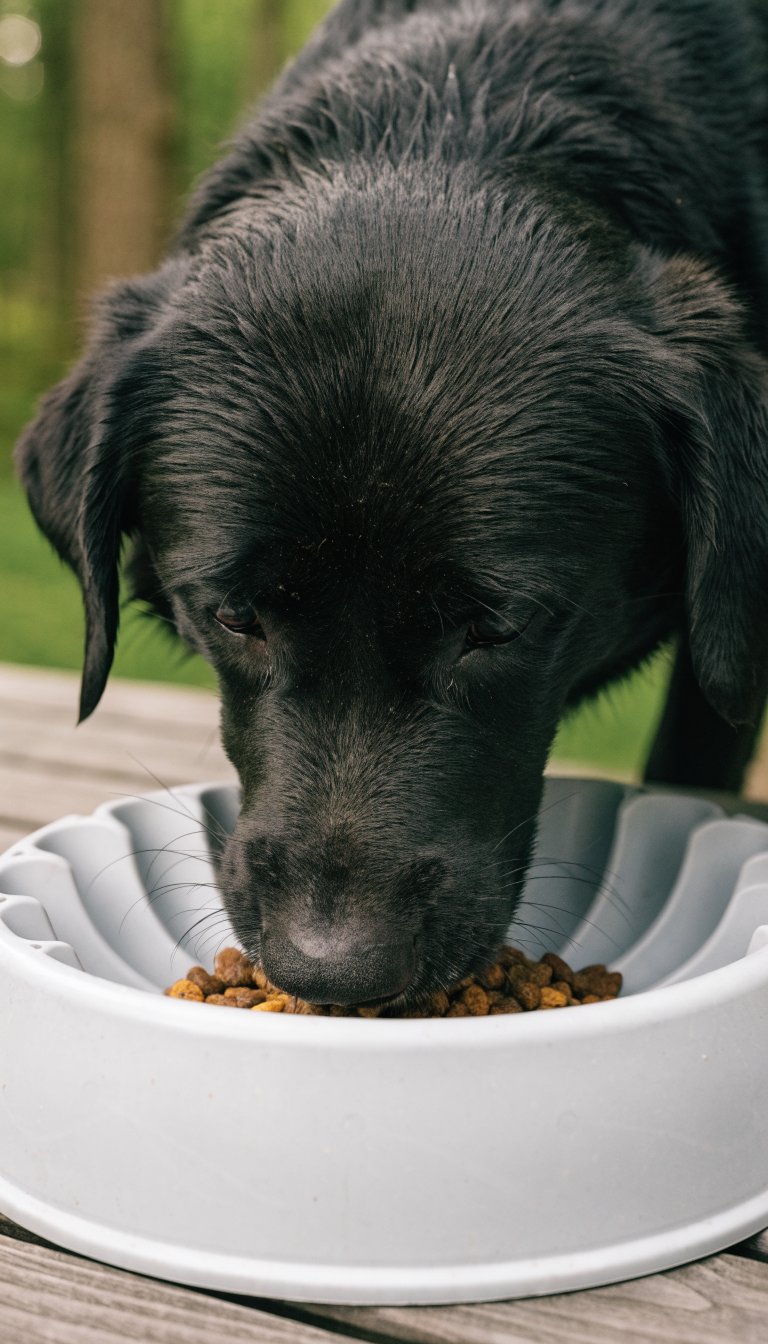
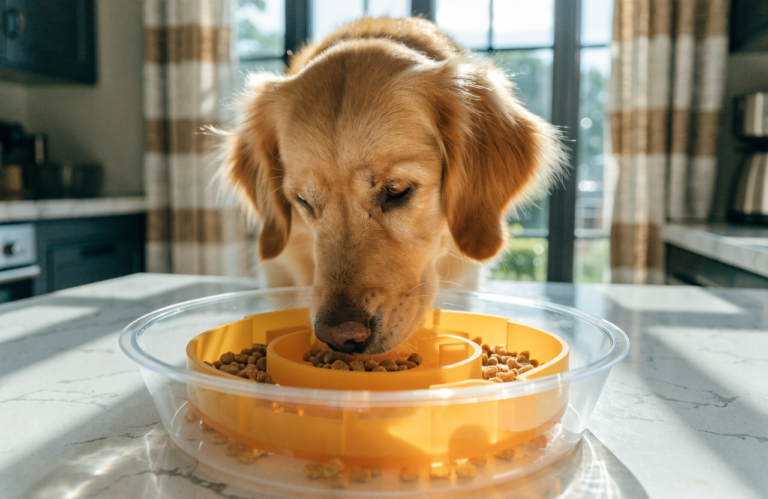
Bowl feeders are the most common entry point. They’re easy to use, dishwasher-safe, and you don’t need a PhD in puzzle design to figure them out.
Pros
- Very family-friendly and travel-friendly.
- Typically inexpensive and easy to clean.
- Works well for Labradors who just need a nudge to slow down.
Cons
- Dogs can sometimes figure out the pattern quickly and blow through it.
- Less mental stimulation if your Lab masters the layout in seconds.
- Some bowls can be slippery or noisy on hard floors.
Tips for making bowl feeders work
- Choose a bowl with ridges or grooves to create “food mazes.”
- Fill it with a measured portion to keep portions sane.
- Pair with a short training session to introduce the concept—make the first few meals a success.
Mat-based slow feeders: turning the floor into a challenge map
Mats lay down a soft, forgiving surface that doubles as a puzzle playground. They’re great for Labradors who love to nose around and flip things over.
Pros
- Low cost and minimal set-up.
- Good balance of paw-work and brainwork.
- Many mats come in various textures, so you can tailor to your Lab’s preference.
Cons
- Some mats can be slippery or rolled up if your Lab has a wagging tail of chaos.
- Cleaning can be a bit more involved than a plain bowl.
How to use mats effectively
- Spread dry kibble across the mat and let your Lab sniff and scoop.
- Mix in a few high-value treats to boost motivation.
- Introduce variability by using mats of different textures to keep the challenge fresh.
Puzzle toys: the heavyweight champions of mental engagement
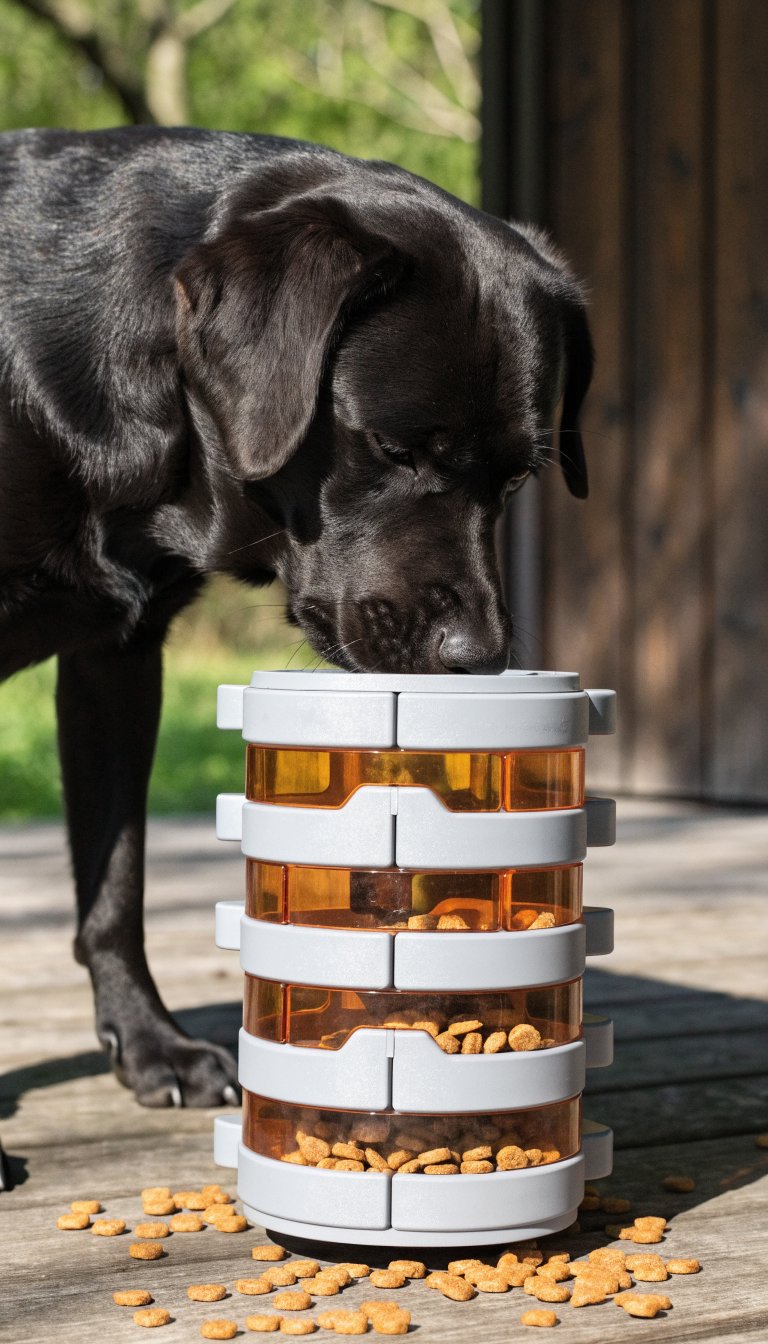
Puzzle toys are the “level up” option. They demand strategy, problem-solving, and a little patience. If your Lab’s mealtimes feel a bit too easy, puzzle toys bring the brains to the table.
What kinds exist
- Interactive treat-dispensing toys that require rolling or paw movements.
- Slow-dispenser cones or tunnels where food is hidden inside compartments.
- Board-style puzzles with removable pieces to uncover kibble.
Pros
- Excellent for mental stimulation and frustration management.
- Highly adaptable to skill level—you can dial up the challenge as your Lab gets smarter.
- Great for busy humans who want to extend meal time without extra effort.
Cons
- Sometimes frustrating for first-timers; expect some initial “how do I even” moments.
- Some toys can be pricey or require supervision during use.
Best practices for puzzle toys
- Start easy: hide a few treats and let your Lab’s confidence grow.
- Rotate toys to prevent boredom.
- Clean after use to prevent stuck-on slobber mysteries.
Choosing the right option for your Lab: a quick diagnostic
Every Lab is a little different, so the best slow feeder often comes down to personality and routine.
Consider these questions
- Does your Lab gulp water or food too quickly? Bowls or mats can help slow things down without too much complexity.
- Is your Lab food-motivated but easily bored? Puzzle toys may be the perfect boredom-buster.
- How messy are you willing to clean up? Mats and puzzles often require more cleanup than bowls.
- Do you travel a lot? A sturdy, collapsible bowl or a simple mat might travel better than a bulkier puzzle toy.
Blending strategies: can you mix and match?
Yes, you absolutely can. In fact, many Lab households do a little of everything.
One meal, multiple layers
- Split meals across two feeders: start with a bowl to ensure a baseline, then finish with a puzzle toy for extra brain work.
- Alternate days: Monday bowl, Tuesday mat, Wednesday puzzle, and so on. Keeps your Lab guessing and engaged.
Seasonal or mood-based blends
- Cold weather might push you toward puzzle toys indoors, while summer adventures can lean on mats for quick, on-the-go meals.
- If your Lab’s motivation dips, swap in a higher-value treat or mix in some toppers to spark interest.
Common pitfalls and how to avoid them
Every plan has a trapdoor somewhere. Here’s what to watch for so mealtime stays happy, not stressful.
Overcomplicating things too soon
- Start simple and level up gradually. Your Lab learns fast, but frustration can derail progress.
Inconsistent routines
- Keep a predictable feeding window. Consistency beats chaos, especially for Labradors who thrive on routine.
Neglecting safety
- Supervise initial uses of puzzle toys to prevent chewing off small pieces. Always check for wear and tear.
FAQ
Are slow feeders necessary for Labradors?
Not strictly necessary, but they help with gulping, digestion, and mental engagement. If your Lab eats like a tiny vacuum, slow feeders are a smart move.
How long should a Lab spend on a slow feeder per meal?
Start with 10–15 minutes and watch for fatigue or frustration. Gradually extend as your Lab gains skill and interest, up to about 20–30 minutes for puzzle toys if he enjoys the challenge.
Can all Labradors use puzzle toys, or are some not interested?
Most Labs take to puzzle toys once you find the right difficulty and a tasty incentive. If yours isn’t, tweak the toy’s setup, try higher-value treats, or blend in a simpler feeder first.
How do I clean these feeders properly?
Most bowls and mats are dishwasher-safe or easy to wipe down. Puzzle toys often need a quick rinse and dry, plus occasional washing with mild soap. FYI, slobber is not a reason to skip the soap—cleanliness matters for a healthy pup.
What about weight management and slow feeders?
Slow feeders can help portions stretch farther, which is handy for weight management. Pair any feeder with a measured diet and regular exercise, and you’re cooking up a healthier Lab.
Conclusion
So, what’s the verdict? Bowls are still the easy entry point, mats give you a touch of floor-level brainwork, and puzzle toys deliver the most mental stimulation if your Lab thrives on a challenge. The beauty of Labradors is their adaptability, and your mealtimes should reflect that: a bit of everything, a dash of play, and a healthy respect for a good, slow bite. IMO, the best approach is a blended routine that keeps your Lab guessing and keeps you sane.
If you’re curious, start simple: a bowl to slow the pace, a mat to reward sniffing and pawing, and a puzzle toy to cap off the meal when your Lab is in full on detective mode. Your Lab will thank you with a wag, a goofy grin, and a properly satisfied belly. FYI, a well-fed brain is a happy dog and a content human.
About the Author

Hazzatul Khan
Dog Care & Training Expert
Hazzatul Khan is a passionate dog lover and canine care specialist with years of experience in dog training, nutrition, and everyday behavior management. He is dedicated to helping pet parents build happier, healthier, and safer relationships with their furry friends through simple, natural, and science-backed dog care advice.