
German Shepherd Puppy Socialization: Free Printable Experience Tracker
From the moment you bring home a fluffy German Shepherd puppy, you’re signing up for a tiny tornado of cuteness and chaos. Socialization isn’t optional—it’s how you turn that ball of fur into a confident, well-behaved adult. And yes, a free printable Experience Tracker can be your new best friend in this journey.
German Shepherd Puppy Socialization: Free Printable Experience Tracker
Why a tracker matters more than you think
Puppies soak up new experiences like little sponges, sometimes in ways you don’t expect. You might think a quick trip to the grocery store is enough, but consistency beats intensity. A tracker helps you log what your pup met, how they reacted, and what to revisit. FYI, this isn’t about chasing perfection—it’s about steady progress and fewer surprises on the street.
What to include in your free printable Experience Tracker

- Date and context: Where were you? Who was with you? What happened?
- Social exposure: People, dogs, sounds, surfaces, and objects.
- Puppy reaction: Wag, freeze, bitey teefs, or a calm nod. A quick note helps you plan the next step.
- Distance and duration: How far away were they? How long did it last?
- Desensitization plan: If something scared them, jot down a tiny, doable next step.
- Progress rating: Simple 1-5 scale to see trends over time.
Keep it simple. The goal is consistency, not a novella about every sniff and bark. And yes, you can print this out, fill it in with a pen, and somehow make it satisfyingly retro.
Setting up a routine that actually sticks
Routines aren’t boring; they’re the backbone of socialization. Try short, frequent sessions rather than long, exhausting marathons. Your goal is to create positive associations with new people, dogs, sounds, and places.
Daily micro-exposures
- Two 5-minute exposure blocks to new sights: a park bench, a sidewalk café, a bus stop sign.
- One home-base session with a friendly neighbor or friendly dog for a quick sniff-and-mail-bag of treats exchange.
- A quick walk-by of a busy street or playground to normalize background noise.
Progress checks
- End each day with a quick log entry in the tracker. Small data points add up fast.
- Every week, pick one new thing to introduce and document how your pup felt before, during, and after.
Free printable tracks: what they actually look like
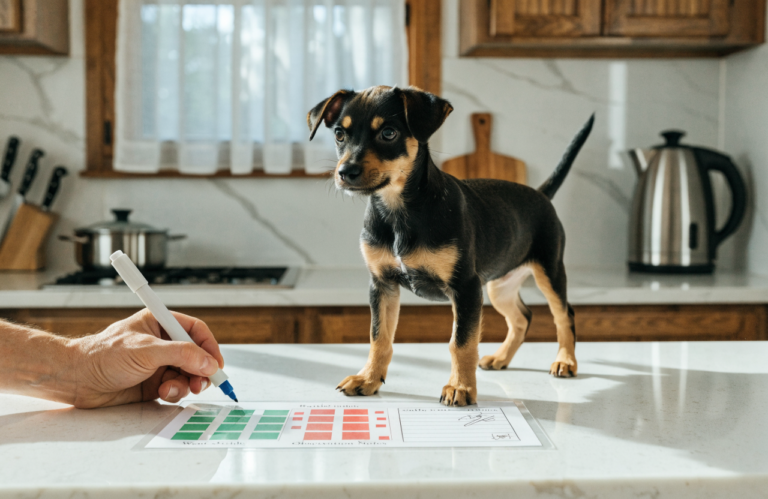
You don’t need to be a design wizard to make this work. A clean, printable sheet with columns for date, context, exposure, reaction, distance, duration, and notes does the job. If you’re feeling fancy, add a color-coded system: green for smooth, yellow for cautious, red for rough. It’s like a map, but for wagging tails.
Sample entry to copy or adapt
- Date: 10/03
- Context: Morning walk in a busy neighborhood
- Exposure: 3 joggers, 1 parked bus, bakery smells
- Reaction: Wag, sniff, then settled
- Distance: 8 meters away
- Duration: 4 minutes
- Notes: Greeted joggers calmly, offered treat; repeated once daily for a week
Handling challenging moments without losing your mind
Every puppy hits a rough patch. Maybe a dog crowds too close, or a loud sound makes your pup dive into your leg. That’s not a failure; that’s data you can use.
Turn fear into data
- Identify what triggered the reaction.
- Back up to a distance where your pup looks confident.
- Pair the moment with something positive (treats, a favorite toy, a brisk tug of war with a consented squeaky toy).
- Record the distance and duration in your tracker and set a tiny next-step goal.
When to consider a pro
If you’re seeing persistent fear, aggression, or shutdown, it’s okay to consult a professional. A good trainer or veterinary behaviorist can give you a structured plan that meshes with your tracker. FYI, asking for help is smart, not a failure.
Socialization milestones you’ll actually notice

Milestones aren’t just cute to brag about on social media; they’re signs your tracker is doing its job.
- By 8-10 weeks, your pup should calmly approach a neutral person or dog with a loose leash and soft mouth.
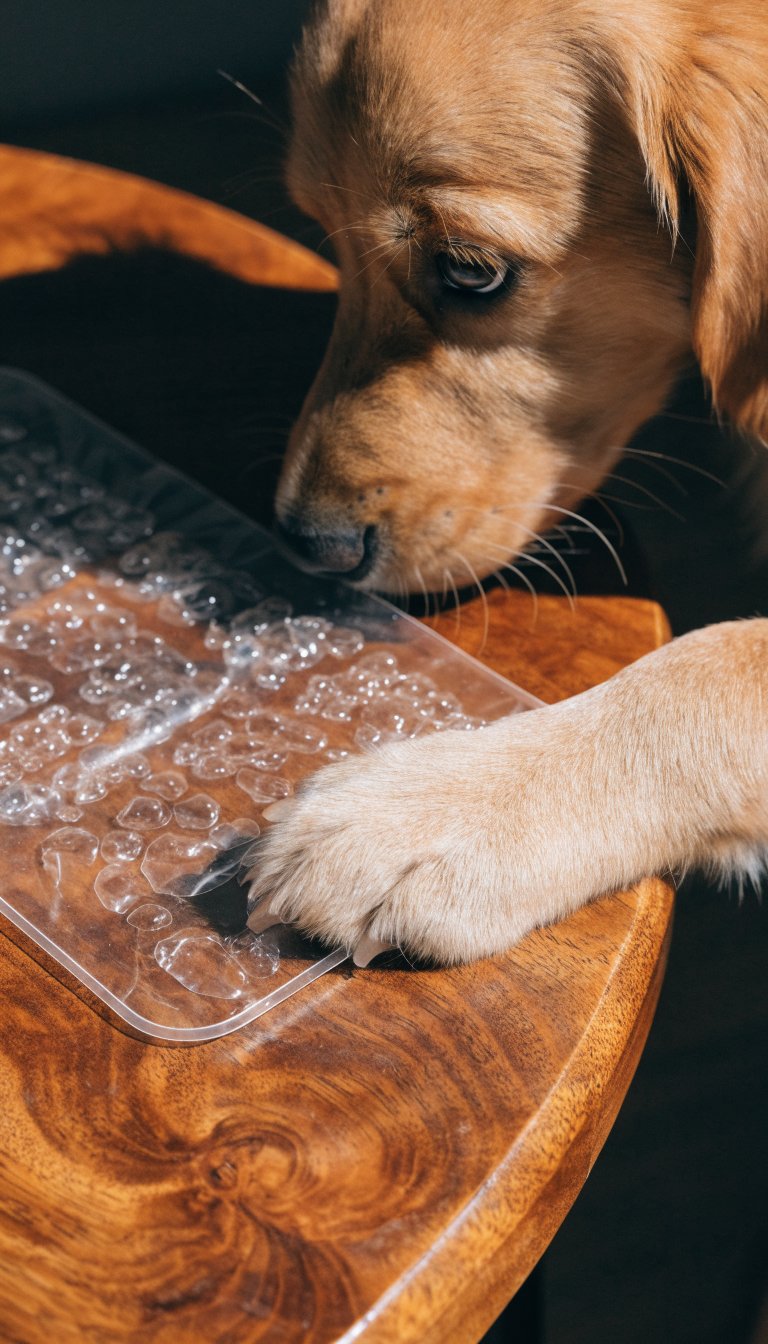
- By 12 weeks, they’ll start to explore new surfaces (carpet, grass, wood floor) without backing away.
- By 16 weeks, your puppy should maintain focus on you in a mildly busy environment, rather than bouncing off every stimulus.
Involving the whole family (without chaos)
Socialization isn’t a solo sport. Family members, roommates, and friends all play a part.
Assign roles
- One person handles introductions with (cute) strangers and their dogs.
- Another monitors the puppy’s body language and notes changes in the tracker.
- A third person rewards calm behavior and keeps the sessions positive.
Make it a game
- Turn a short walk into a scavenger hunt for treats or a fetch game that ends on a calm note.
- Use a “watch me” cue to build eye contact and focus during busy moments.
FAQ
What should I put in a free printable Experience Tracker?
Keep it simple: date, context, exposure, reaction, distance, duration, and notes. A quick progress rating helps you spot trends. You’ll thank yourself for having a clear snapshot of how your pup is responding over time.
How often should I fill out the tracker?
Aim for daily entries, even if they’re brief. Short daily notes beat a weekly dump that’s hard to piece together. If you’re pressed, do a quick two-line log after each major socialization outing.
What if my puppy has a bad day?
Bad days happen. Record what went wrong, what triggered it, and what you’ll adjust next time. Then, plan a tiny step forward that’s comfortably within reach. Remember, the goal is steady progress, not perfection.
Can I customize the tracker for different breeds?
Absolutely. While this article focuses on German Shepherd puppies, the same structure works for any breed. Swap in breed-specific concerns (e.g., high prey drive, herding instincts) and tailor the milestones to your pup’s personality.
Is this tracker really free? Do I need to pay for it?
Yes, it’s free. You can find printable templates online, or whip up your own in a notebook. The key is consistency and accessibility—you want to grab it and jot things down when you’re out with your pup.
Conclusion
Socializing a German Shepherd puppy isn’t a sprint; it’s a series of tiny, doable steps that add up to a confident, friendly dog who loves new experiences. A free printable Experience Tracker is more than a sheet of paper—it’s your partner in crime for turning chaos into curiosity, one log entry at a time. So grab a pen, print a fresh page, and start logging those sniff tests, treat exchanges, and curious tail wags. IMO, your future self will thank you for the clarity—and your dog will thank you with steadfast loyalty and wagging enthusiasm.
About the Author

Hazzatul Khan
Dog Care & Training Expert
Hazzatul Khan is a passionate dog lover and canine care specialist with years of experience in dog training, nutrition, and everyday behavior management. He is dedicated to helping pet parents build happier, healthier, and safer relationships with their furry friends through simple, natural, and science-backed dog care advice.