How to Train Your Dog: 7 Simple Steps for Beginners
Ever dreamed of a dog who sits, stays, and smiles on command without turning your living room into a chaos zone?
These seven steps give you a friendly, practical roadmap to calmer, happier paws and a better bond with your new best friend.
Stick with me and you’ll see progress faster than you think – let’s get started!
1. Set Clear Rules and Raves from Day One

Consistency is the secret sauce. Your dog thrives on predictable cues and routines, not mixed signals that make him look confused and your coffee cold.
When you establish simple rules and celebrate small wins, you build trust and clarity. FYI, your dog will thank you with wagging tails and a lot less door-jumping.
Key Points
- Choose 3 core commands (e.g., Sit, Stay, Come) and use them consistently
- Use a short, upbeat marker word like Yes or Good to signal success
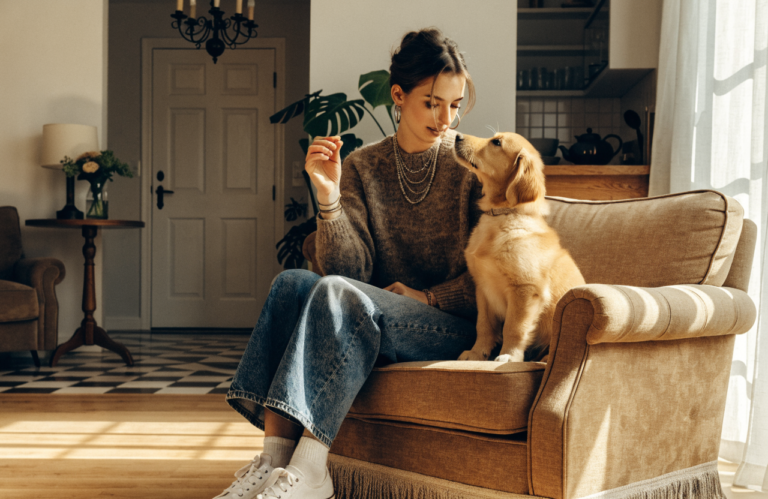
- Reward immediately with a treat or praise
End result: a steadier pup who knows what’s expected and loves to please you.
2. Master the Foundation: Sit, Stay, Come

These three basics are the backbone of every good dog routine. They unlock the door to safer walks, better manners, and more reliable recall.
Practicing daily yields dramatic improvements without a heavy training schedule. IMO, short, frequent sessions beat long, dragging rehearsals every time.
Practice Routine
- 5 minutes, 2–3 times a day
- One cue per station: couch, yard, door, and street
- End on a high note with a quick play break
Benefits: fewer interruptions, smoother outings, more confidence for both of you.
3. Positive Reinforcement: Reward the Good Vibes

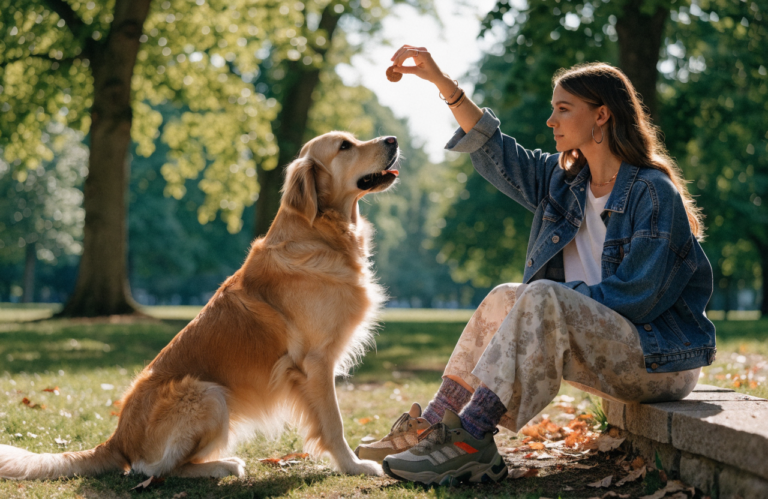
Positive reinforcement is your best friend here. Humans love praise almost as much as dogs love treats, so make it count.
Think of rewards as fuel for learning. When your dog associates a cue with something pleasant, progress happens faster and with less stress.
Tips
- Hold treats at nose level to guide the expected behavior
- Pair rewards with a click or word like “Yes” to mark success
- Mix treats with affection for a well-rounded reward
Soon you’ll notice your dog choosing the right behavior even before you ask.
4. Short, Fun Sessions Beat Marathon Training
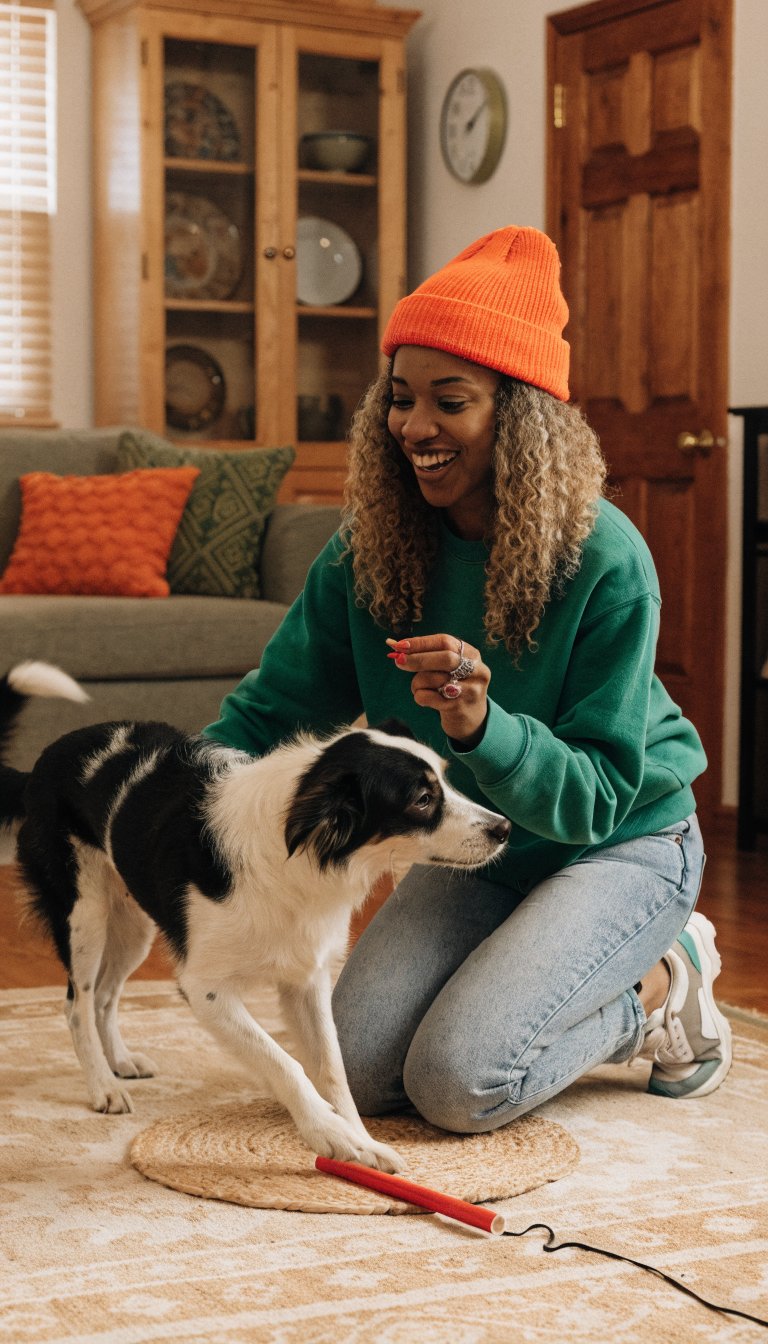
Dogs wear out fast, and so do humans. Keep sessions lively, brief, and focused so both of you stay engaged.
Short bursts of training prevent boredom and help you maintain momentum. Trust me, a quick round of targets between chores adds up fast.
Structure That Works
- 3-5 minute sessions, 2-4 times daily
- Have a predictable ending with a treat or game
- Rotate locations to keep things fresh
Outcome: a motivated pup who looks forward to learning and your good mood after each session.
5. Socialization: Safe Exposures That Build Confidence

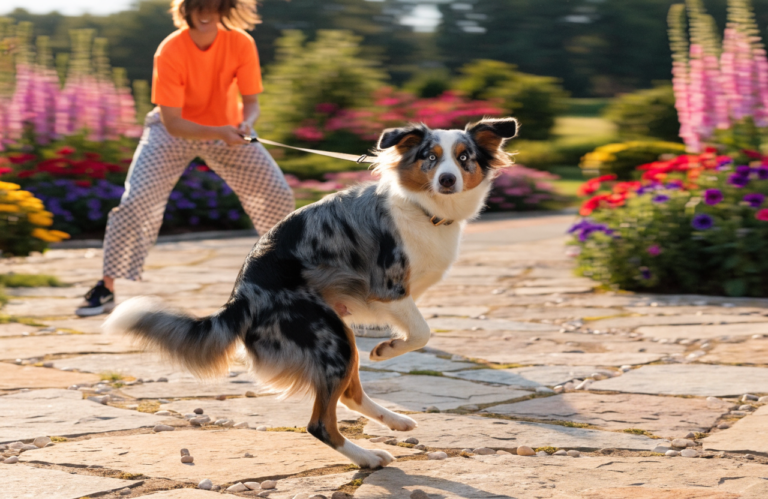
Expose your puppy to new people, places, and noises in a controlled way. Socialization reduces fear and cuts down on unwanted reactions later.
Start small and gradually increase the exposure. If something scares your dog, ease off and come back later when he’s calmer.
How to Do It
- Short introductions to friendly dogs and calm people
- Controlled stroller or leash walks in low-stress environments
- Positive reinforcement for calm behavior in new situations
Benefits: a adaptable, confident dog who enjoys exploring the world with you.
6. Create a Training-Friendly Home Environment
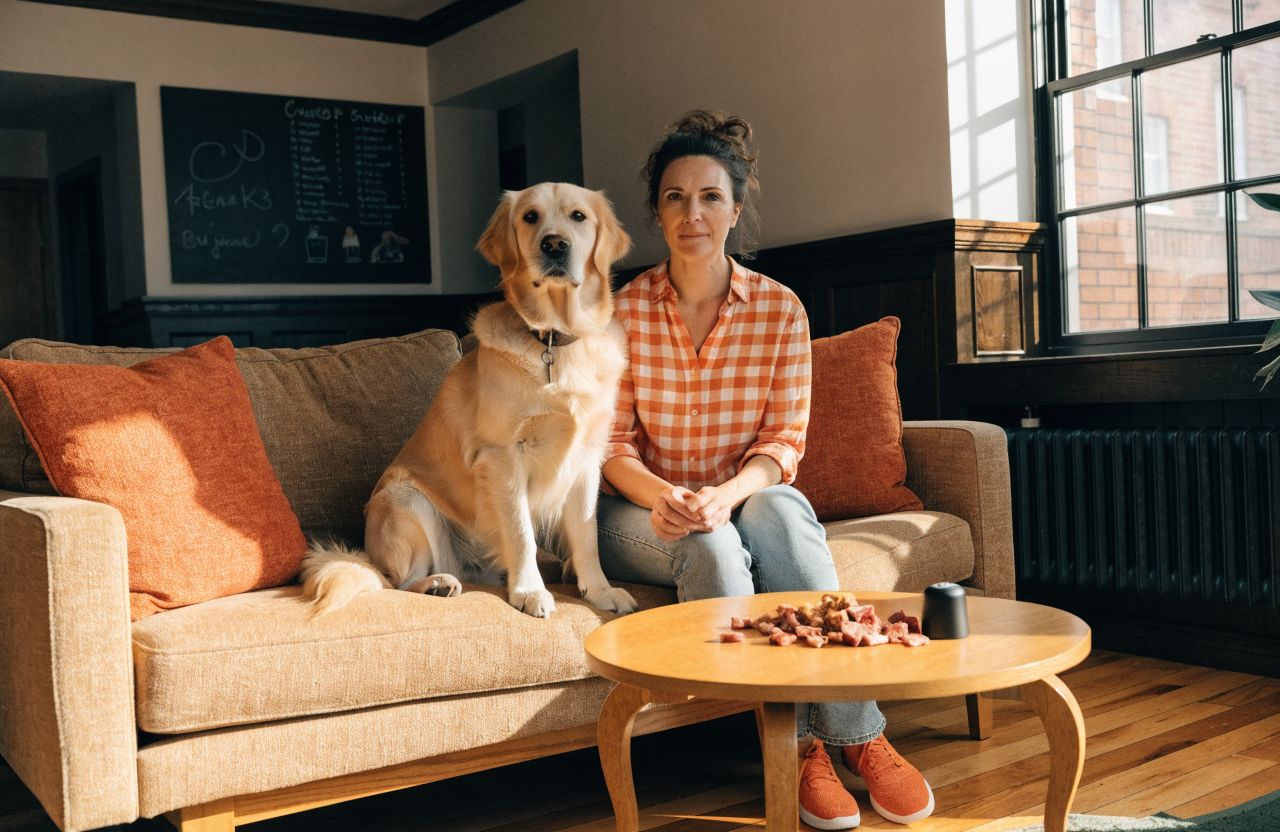
Your surroundings can either help or sabotage training. A few easy tweaks make good behavior easier to maintain.
Think safe, accessible, and predictable. Simple changes save you from constant reminders and rescue your floors from chaos.
Practical Adjustments
- Establish a comfy, quiet crate or crate-free den where he can retreat
- Use baby gates to limit access during meals and packing periods
- Put interactive toys in a dedicated spot to avoid frantic barking for attention
With the right setup, your dog learns to self-regulate and you avoid constant scolding.
7. Progress, Then Pause: Set Realistic Milestones
Progress is not a straight line, but setting milestones helps you stay motivated and track improvements.
Choose achievable goals and celebrate the wins. Seriously, small victories add up to big changes over weeks and months.
Milestone Ideas
- One-minute stay with distractions
- Reliable recall from the yard to you
- Calm greeting when visitors arrive
Finish line? A well-trained dog that’s a joy on daily walks and social events.
As you go, remember that consistency, patience, and a sense of humor carry you a long way. FYI, progress might be slower at times, but your bond will deepen daily.
Conclusion: Embrace the journey, celebrate the small wins, and soon your dog will be the star of your daily routine. You’ve got this and I’ve got faith in your puppy power.
About the Author

Hazzatul Khan
Dog Care & Training Expert
Hazzatul Khan is a passionate dog lover and canine care specialist with years of experience in dog training, nutrition, and everyday behavior management. He is dedicated to helping pet parents build happier, healthier, and safer relationships with their furry friends through simple, natural, and science-backed dog care advice.