Common Dog Training Mistakes to Avoid
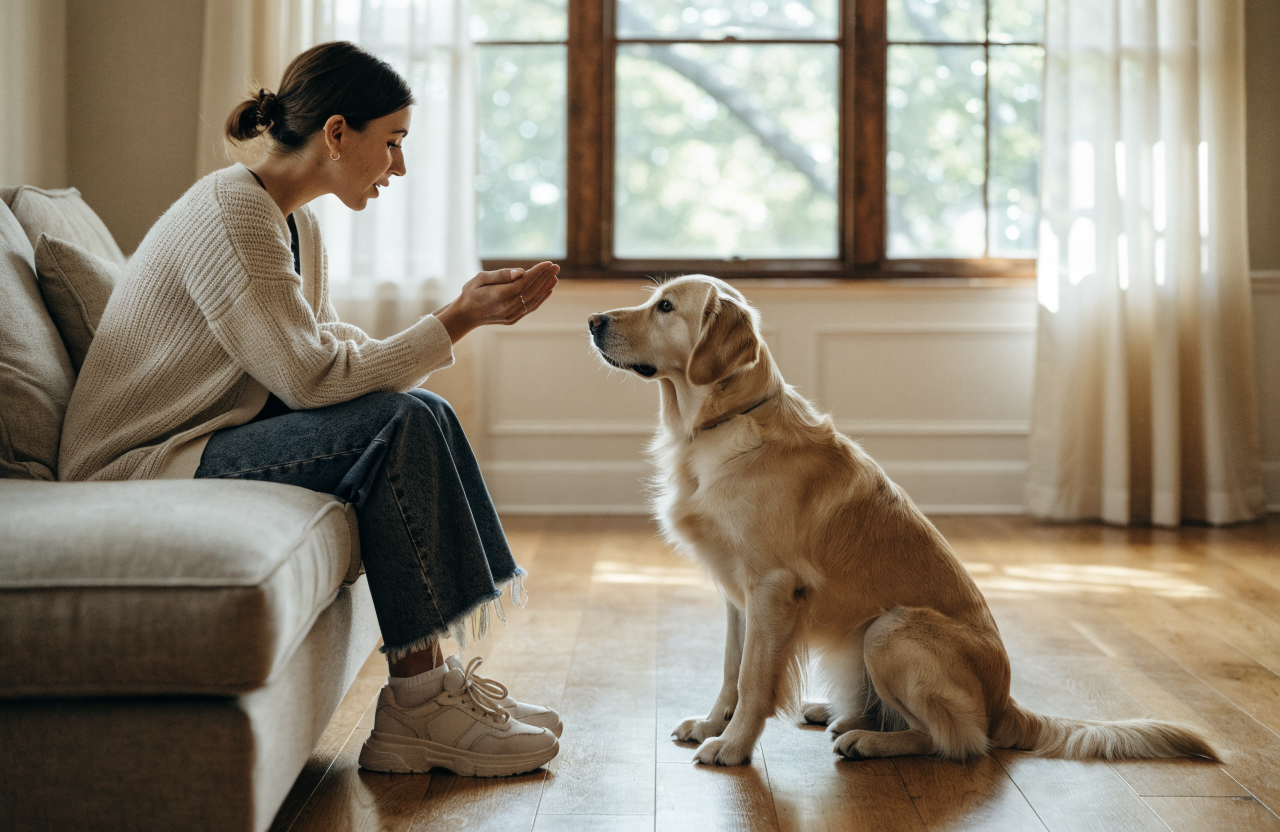
Ever feel like your dog is teaching you lessons you never signed up for? Let’s fix that with a few simple tweaks. You’ll both enjoy training more and see faster results.
These quick fixes matter because they shape your dog’s motivation, focus, and good behavior in real life – not just during a one minute drill at home. You’ll gain confidence and a happier pup in no time.
Stick with me and you’ll walk away with practical tweaks you can start today. Ready to level up your training game?
1. Overloading Commands Too Soon
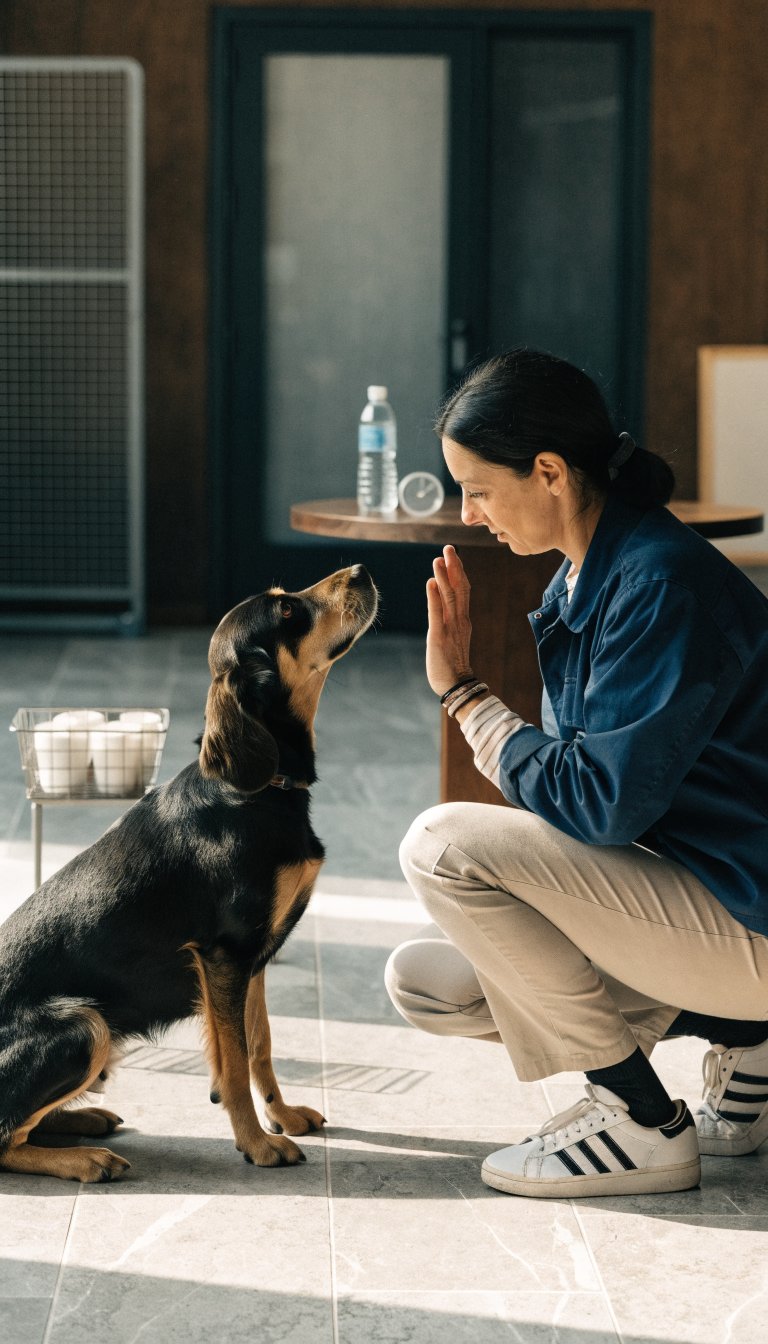
Many owners pile on commands before the dog fully understands a single cue. Your goal is clarity and consistency, not a language chaos test for your pup.
When you overload, you confuse the dog and slow progress. Keep it simple and weave in plenty of success to keep motivation high.
Key Points
- Master 1-2 cues before adding more
- Use short training sessions (5-8 minutes) several times a day
- End with a clear release word like “OK” or “All set”
With consistent repetition, your dog will learn faster and you’ll avoid frustrating backslides. Apply this today and notice how much easier it is to introduce new behaviors later.
2. Punishment-Heavy Approaches

Punishment can seem like a quick fix, but it often backfires by increasing fear and reducing learning. Your dog should associate training with safety and structure, not anxiety.
Agentle, humane methods build trust and long lasting results. If you worry you’re leaning too hard on discipline, you’re not alone – and there are better paths.
Tips
- Replace scolding with redirection and clear cues
- Use high value rewards to reinforce good behavior
- Keep training sessions upbeat and brief
Think long term: a confident dog that wants to please is a joy to train. FYI, consistency beats intensity here every time.
3. Skipping the Foundation: No Real-Life Relevance

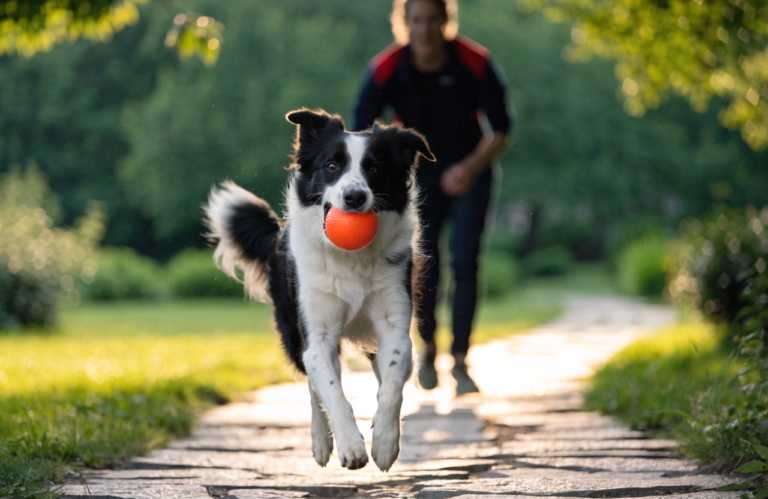
A lot of training happens in a controlled space and then never translates to real life. Streets, parks, buses, or apartment hallways all demand different applications of the same cues.
The foundation has to be practical and portable. If your dog ignores cues outside, your training isn’t doing its job yet.
How to Fix
- Practice cues in multiple environments
- Incorporate busy background noise gradually
- Use real world rewards like toy play or walk time
Start small and build outward. The payoff is a dog that behaves consistently, no matter where you are or what distractions appear.
4. Inconsistent Signals and Lack of Timing

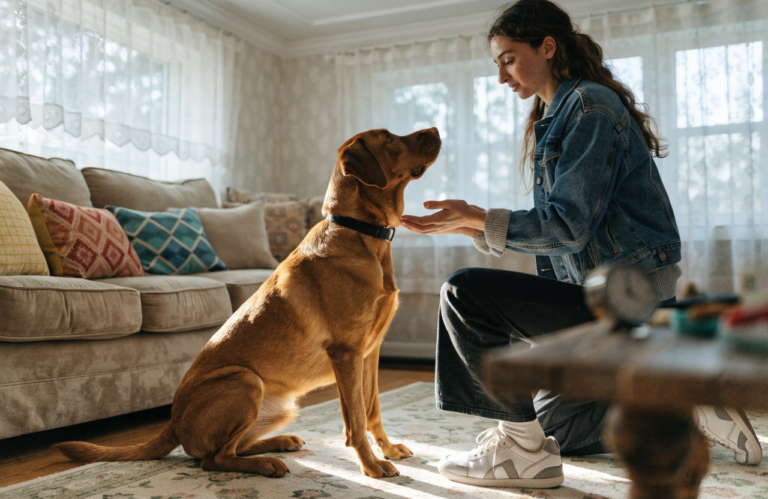
Timing is everything in dog training. If you reward too late or use mixed signals, your dog learns the wrong association and confusion grows.
Consistency helps your dog anticipate outcomes and behave accordingly. You want a system your dog can predict, not a mystery novel you both have to solve.
Practical Notes
- Reward within a second of the correct behavior
- Make cues specific and distinctive
- Use a consistent marker or clicker if you use one
When timing is right, your dog connects the action with the outcome instantly, and that is where real progress lives.
5. Forgetting Mental Stimulation and Play
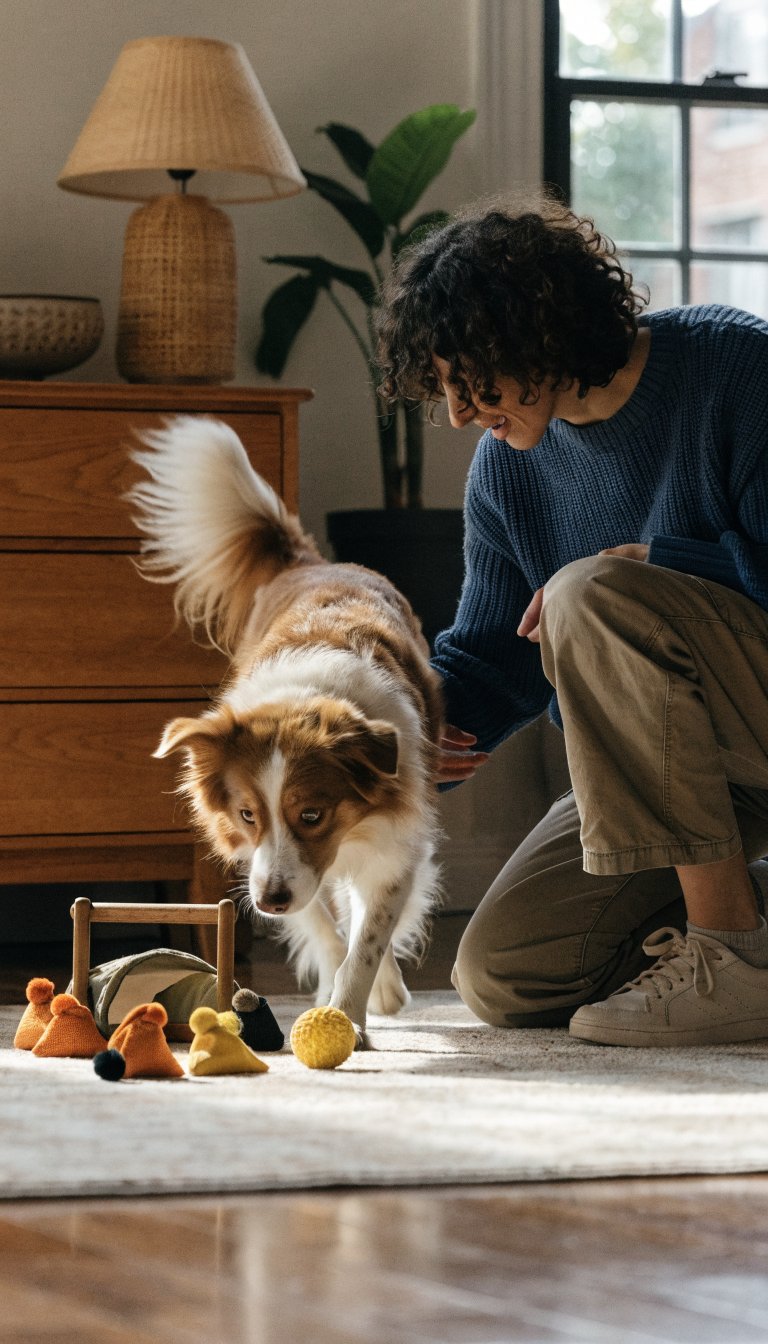
Training isn’t just about obedience on a leash; it’s about fulfilling a dog’s mind too. Without mental work, even smart dogs get bored and misbehave.
Incorporate problem solving, short games, and scent work to keep brains engaged. It makes training feel like a game your dog wants to play.
What to Try
- Hide and seek with treats around the house
- Brief nose work sessions using sniff-friendly toys
- Short agility or obstacle challenges at home
Smart dogs stay engaged when training is varied and fun. Trust me, your pup will thank you with better focus and a happier vibe.
In closing, these are the kinds of tiny shifts that compound into big wins. Try one tweak tonight, and notice how your dog responds with curiosity and enthusiasm.
About the Author

Hazzatul Khan
Dog Care & Training Expert
Hazzatul Khan is a passionate dog lover and canine care specialist with years of experience in dog training, nutrition, and everyday behavior management. He is dedicated to helping pet parents build happier, healthier, and safer relationships with their furry friends through simple, natural, and science-backed dog care advice.