Dachshund Potty Training: 7 Mistakes That Can Slow Progress
Are you tired of the never ending potty chase with your long-bodied friend? Let’s demystify the hiccups and get real progress fast.
These mistakes slow progress because they sneak into daily routines and undermine consistency. Fix them, and you’ll see fewer accidents and happier evenings with your dachshund.
Stick with me and you’ll walk away with practical tips you can start tonight. Ready to make potty training fun again?
1. Inconsistent Scheduling — The Golden Rule of Timing
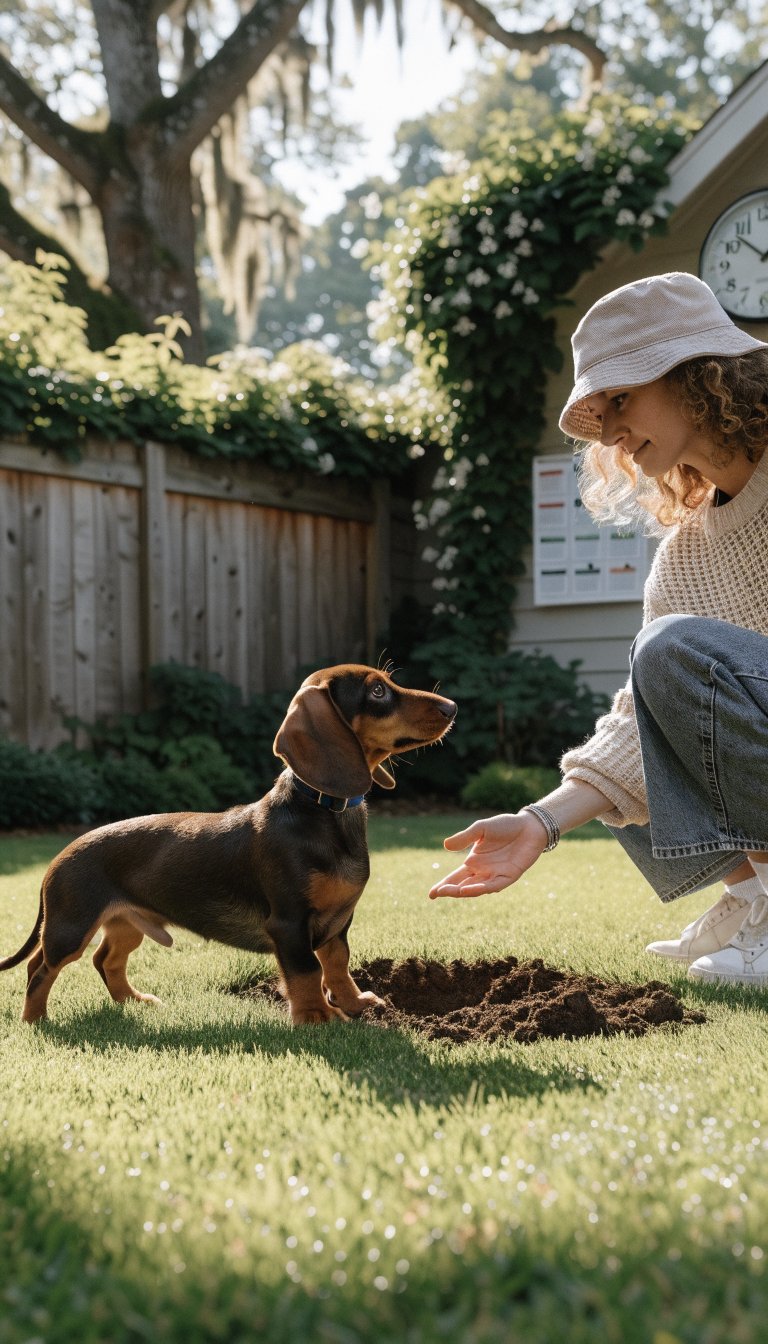
Consistency wins when you train a dachshund since their tiny bladders crave routine. If you never know when a trip outside happens, accidents will keep happening.
Idea in practice: set strict potty times and stick to them even on weekends. Your dog learns faster when cues become predictable.
Key Points
- Schedule every 2-3 hours during the day
- Take them out first thing in the morning, after meals, and before bedtime
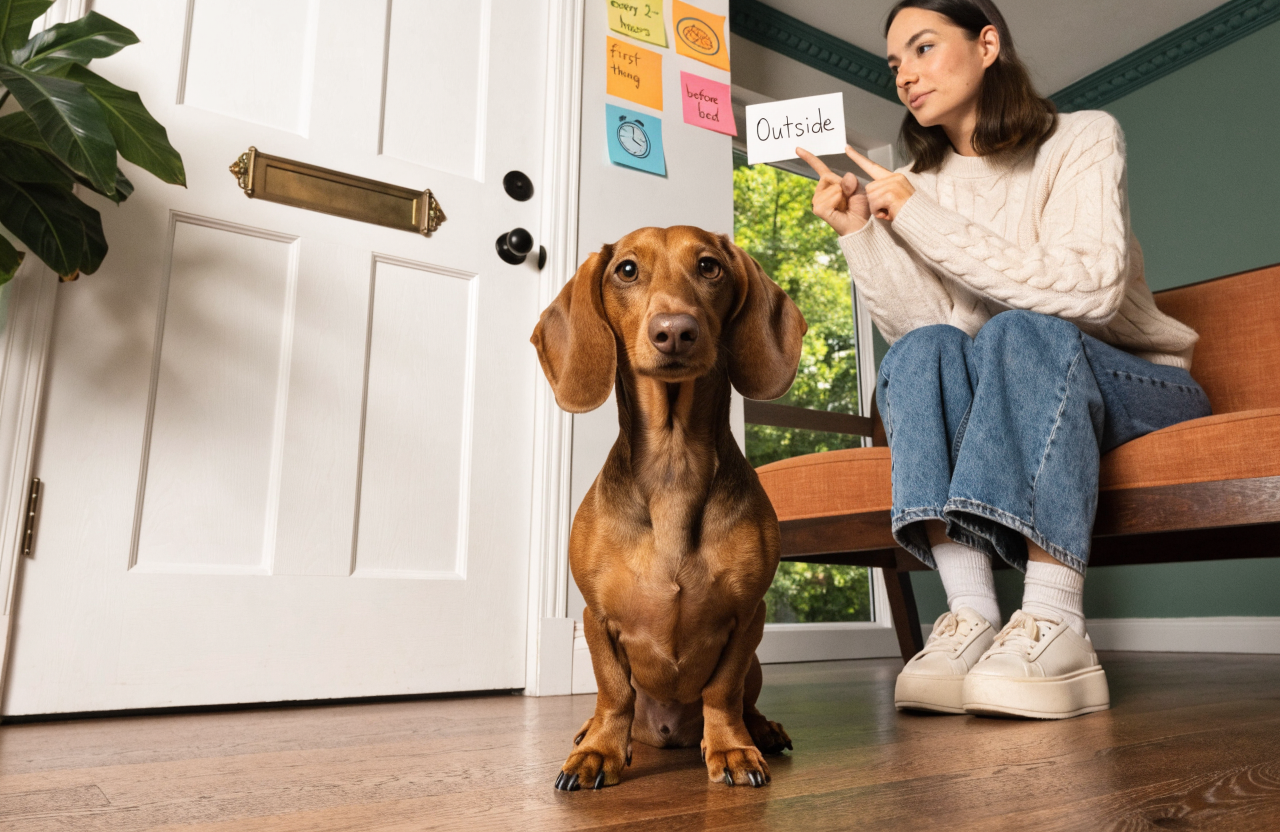
- Use a cue word like “outside” to build a clear routine
Consistency builds confidence for your pup and lowers stress for both of you. Use a visible calendar or reminder app if needed.
2. Punishing Mistakes Instead of Guiding Behavior

Punishment drains motivation and creates fear, which slows learning and can cause hiding or avoidance. Think supportive coach, not drill sergeant.
Turn accidents into learning moments with calm redirection and a quick cleanup. Your dachshund will pick up cues faster when you stay positive.
Tips
- Respond with a short, neutral voice cue and a quick outdoor trip
- Avoid scolding once the accident has happened, focus on next chance
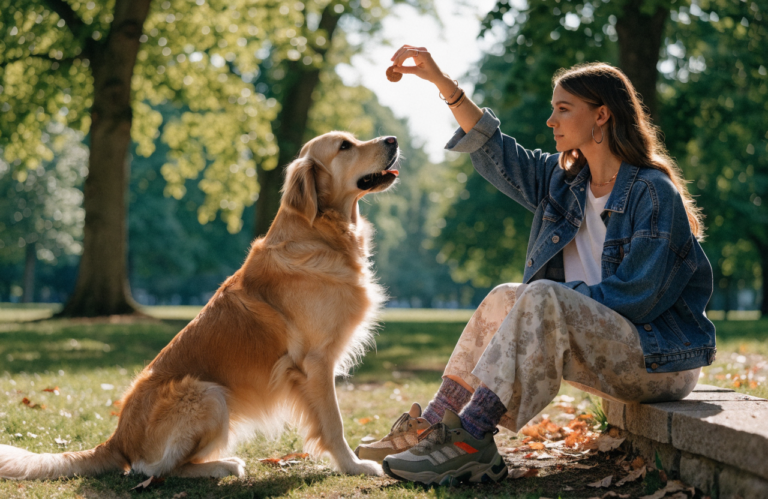
- Celebrate toilet successes with treats and praise
Positive reinforcement simply works better and makes training more enjoyable for you both.
3. Skipping Supervised Play Time Without a Potty Breaks
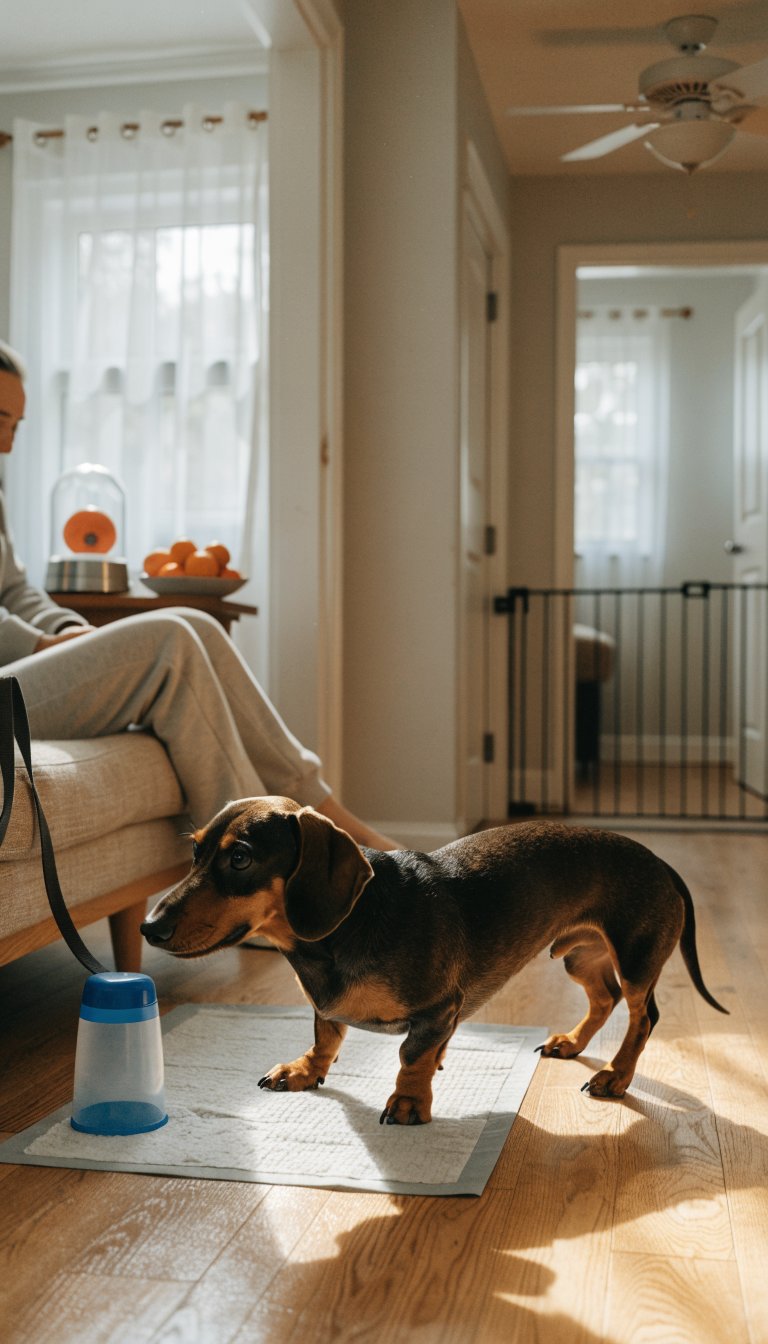
Letting a dachshund roam unsupervised for long periods is a setup for accidents. They may wander and forget to signal their needs until it’s too late.
Supervision is your safety net. It helps you catch the signs, like sniffing or circling, and redirect promptly to the potty area.
Key Points
- Watch for pre-potty cues: sniffing, circling, whining
- Offer frequent breaks during longer play sessions
- Use a leash tether or baby gate to keep them near the potty area
Short, frequent check-ins reduce stress and make the learning curve smoother for both of you.
4. Choosing Inconsistent Surfaces or Potty Areas
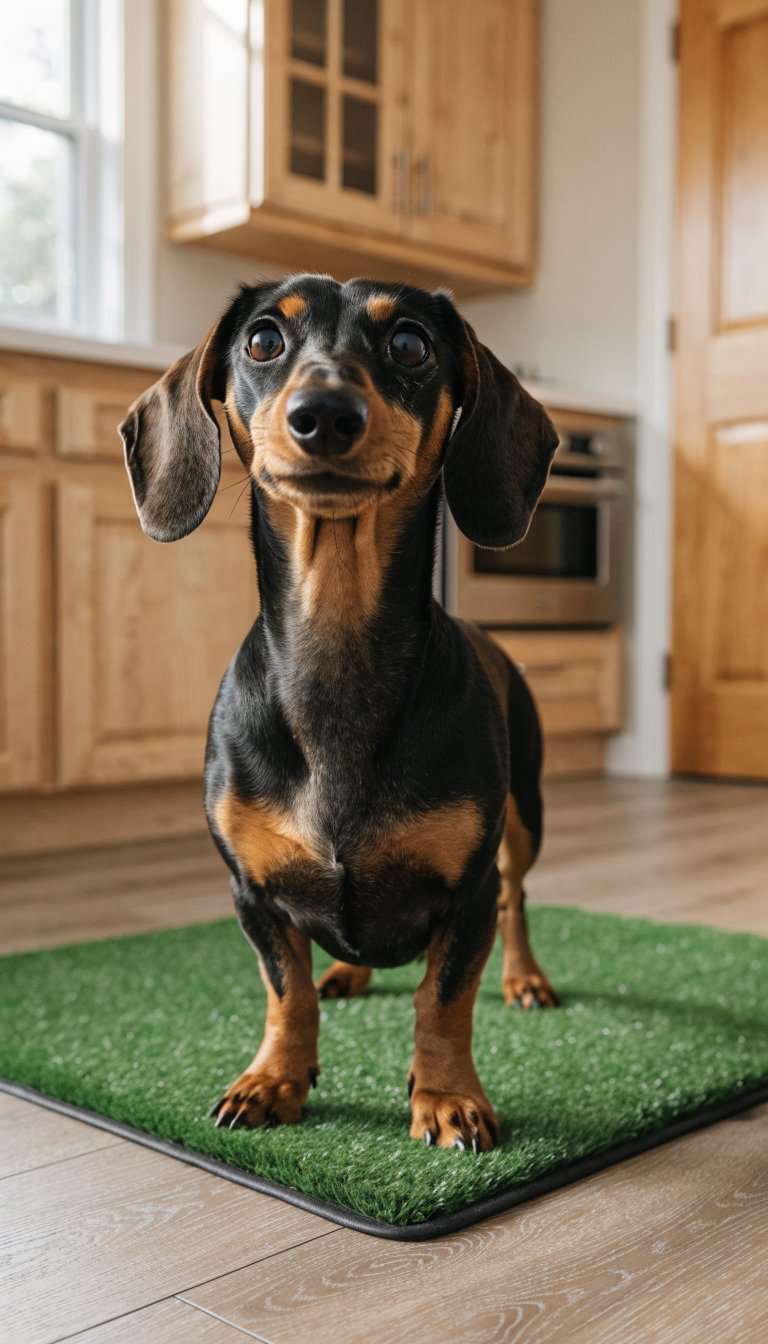
Confusing signals happen when your pup has no dedicated potty spot or keeps shifting surfaces. They rely on scent and habit to know where to go.
Pick one clear outdoor area or a consistent indoor potty setup and use it every time. Consistency in the space speeds up recognition and reduces accidents.
Strategies
- Outdoor: same yard corner, same time window
- Indoor: use a pee pad or realistic grass mat in a quiet corner
- Clean old spots thoroughly to avoid sending mixed signals
Brands and layouts matter less than consistency and scent cues. Your dachshund will thank you for the clear map.
5. Ignoring the Timely Cue Signals

If you miss the signals, you miss the window to act. Your dog gives you clues all day long and you need to read them quickly.
Train yourself to notice the tells and respond immediately. That timely intervention stops accidents before they start.
What to Do
- Quickly take them out the moment you see the cue
- Keep a small snack ready for post-potty celebration
- Note the times of accidents to identify peaks in need
With sharper radar for signals, you’ll reduce accidents dramatically over a few weeks.
6. Overlooking Crate Time and Restful Spaces
Crating is not a punishment; it’s a safety net that supports potty training and crate etiquette. Misusing or avoiding the crate confuses boundaries.
Use a properly sized crate that feels like a cozy den. It becomes a powerful tool to manage confinement and potty expectations when you cannot supervise.
Tips
- Introduce the crate as a comfy space with treats and toys
- Limit crate time to the dog’s age in months plus a couple of hours
- Place the crate in a central area so your dog doesn’t feel isolated
Correct crate use reduces accidents and builds a confident, calm pup ready for longer outings.
7. Not Tracking Progress or Adjusting the Plan
Without tracking, you’re guessing. You need to measure what works and pivot when needed.
A simple log helps you see patterns, adjust routines, and celebrate wins along the way. FYI, small data wins compound into big results.
How to Track
- Record time of potty events and what was happening prior
- Note weather, meals, and activity level on those days
- Review weekly to spot trends and adjust schedules
Tracking keeps you organized and your dachshund moving toward reliable potty habits.
Now that you know the seven common potholes, you can fix them fast and get back to the cute moments that make dachshund life so rewarding. Each adjustment compounds into fewer accidents and more confidence for both of you. Trust me, consistency beats chaos every time.
You’re almost there — grab a calendar, a treat pouch, and a big smile. Your dachshund will thank you with wagging tails and fewer soggy socks. Let’s do this together!
About the Author

Hazzatul Khan
Dog Care & Training Expert
Hazzatul Khan is a passionate dog lover and canine care specialist with years of experience in dog training, nutrition, and everyday behavior management. He is dedicated to helping pet parents build happier, healthier, and safer relationships with their furry friends through simple, natural, and science-backed dog care advice.