11 Common Dog Training Mistakes to Avoid
Stuck on fetch or sit? You’re not alone and you’re not failing, promise.
These practical tips cut through the noise and actually work with real dogs and real schedules.
Keep reading to snag beginner wins and a few surprising twists that will boost your training game.
1. Skip Punishment, Start Clarity
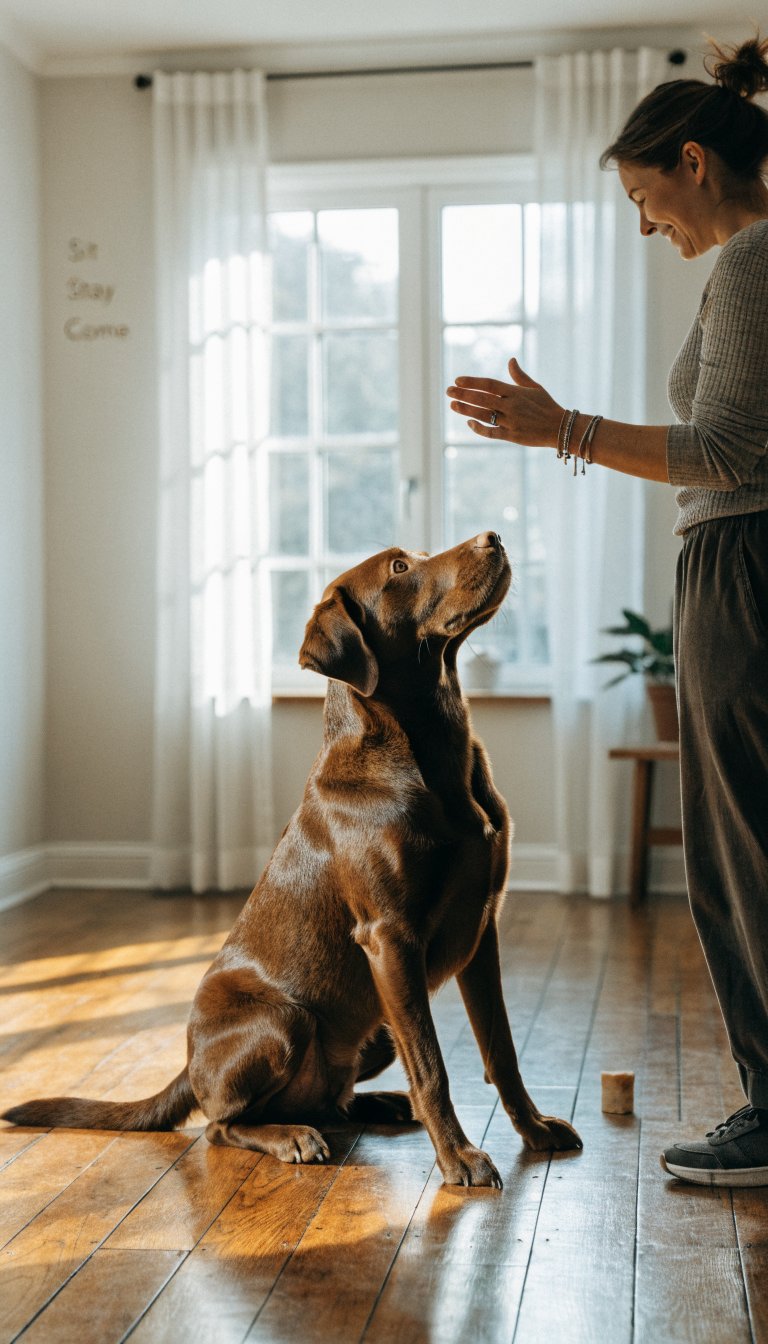
Punishing a pup may feel satisfying in the moment, but it often backfires by eroding trust. Clarity beats severity every time.
Give your dog a clear cue and an immediate, pleasant consequence to reinforce the right behavior. FYI, consistency is king here.
Key Points
- Use simple cues like Sit, Stay, Come
- Pair cues with a rewards system
- Always end on a successful moment
Benefits show up as faster response times, less anxiety, and a dog that actually enjoys training sessions.
2. Short Sessions, Big Wins
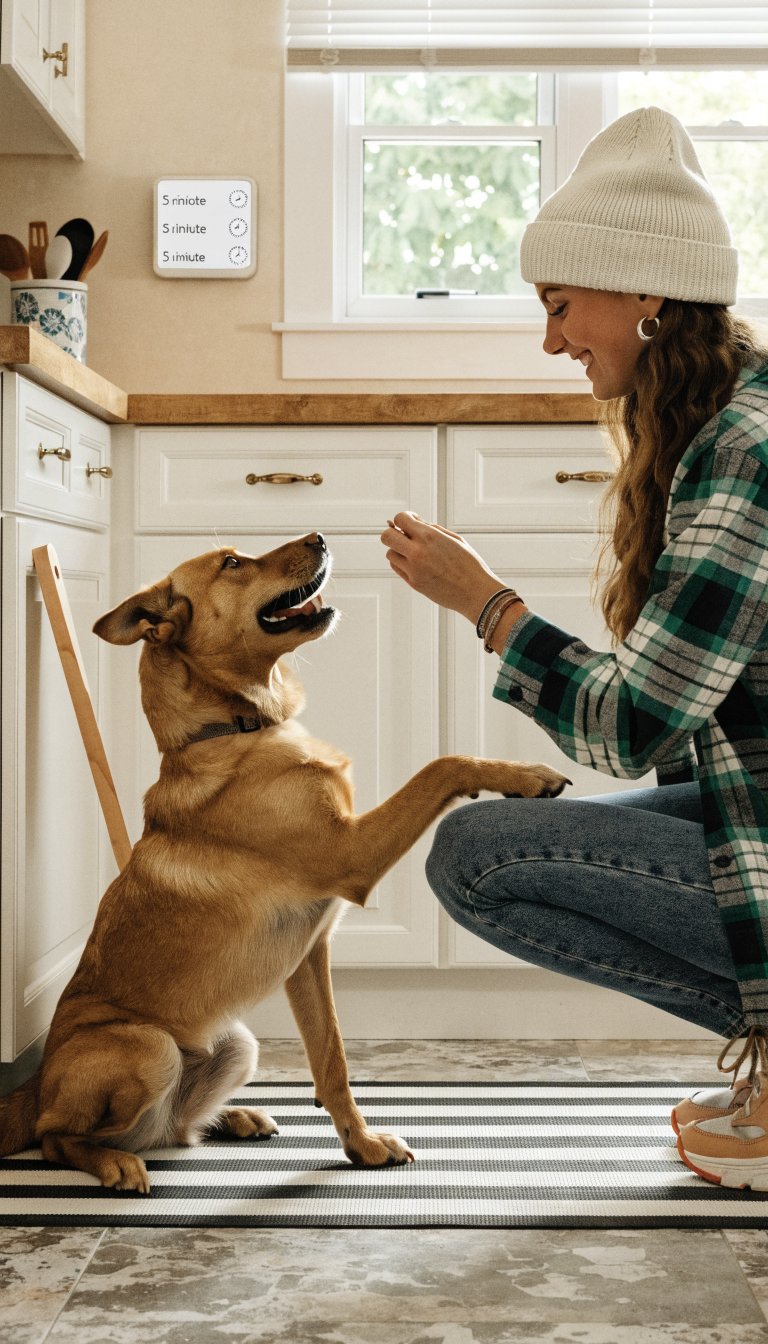
Long training marathons burn energy and patience. Short, focused sessions win every time.
Even a few minutes multiple times a day beat a single marathon session. Your dog stays engaged and you stay sane.
Tips
- Schedule three 5-minute sessions daily
- Keep sessions fun with variety
- End each session on a success or treat-worthy moment
Consistency builds habits faster than grand weekly marathons, seriously.
3. Clear Cading: Concrete Cues, Clear Outcomes
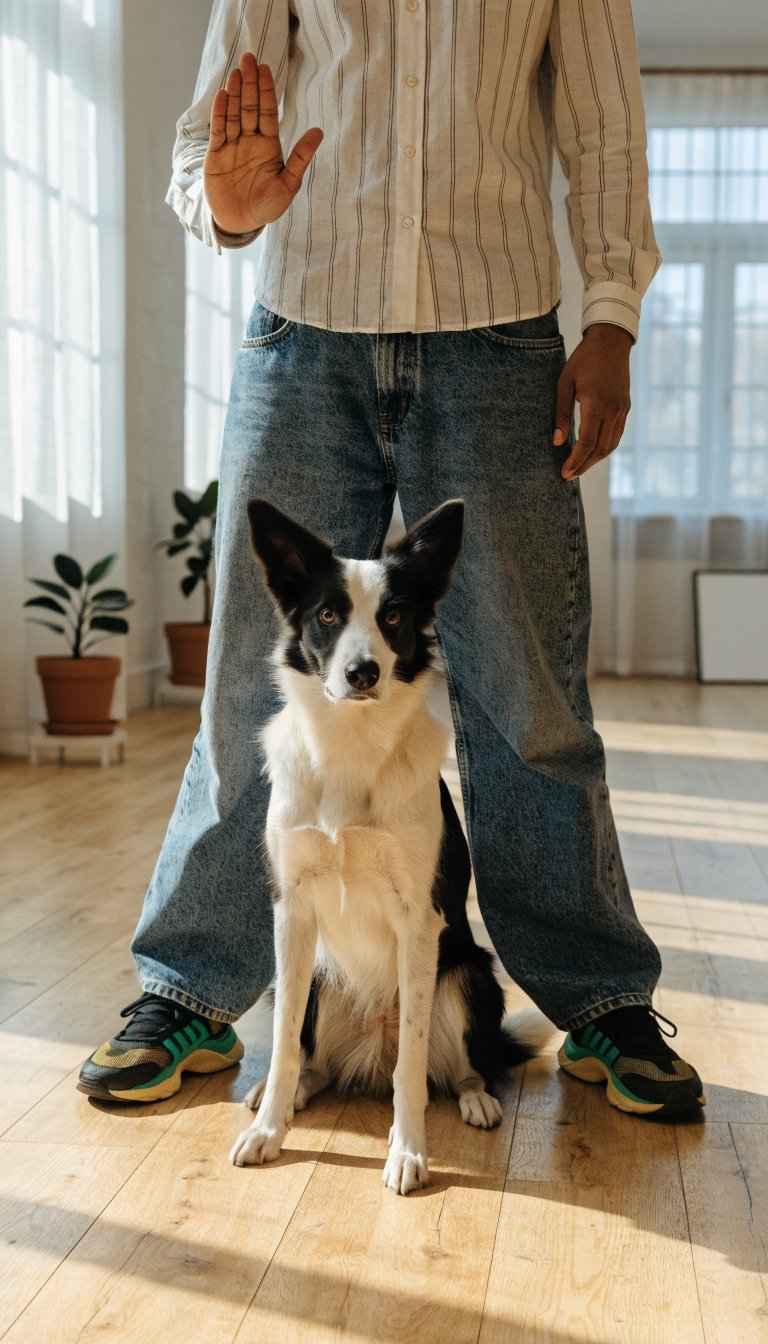
Your dog needs a roadmap. Vague asks confuse and stall progress. Make cues crisp and outcomes predictable.
Craft cues that are distinct from everyday noises and actions. Your dog will thank you with faster learning and fewer mistakes.
How to Craft Cues
- Use one-word prompts
- Pair with a hand signal for redundancy
- Test in different rooms to ensure reliability
When you keep cues crystal, you create a reliable training language your dog can lean on.
4. Reward Timing That Feels Like Magic
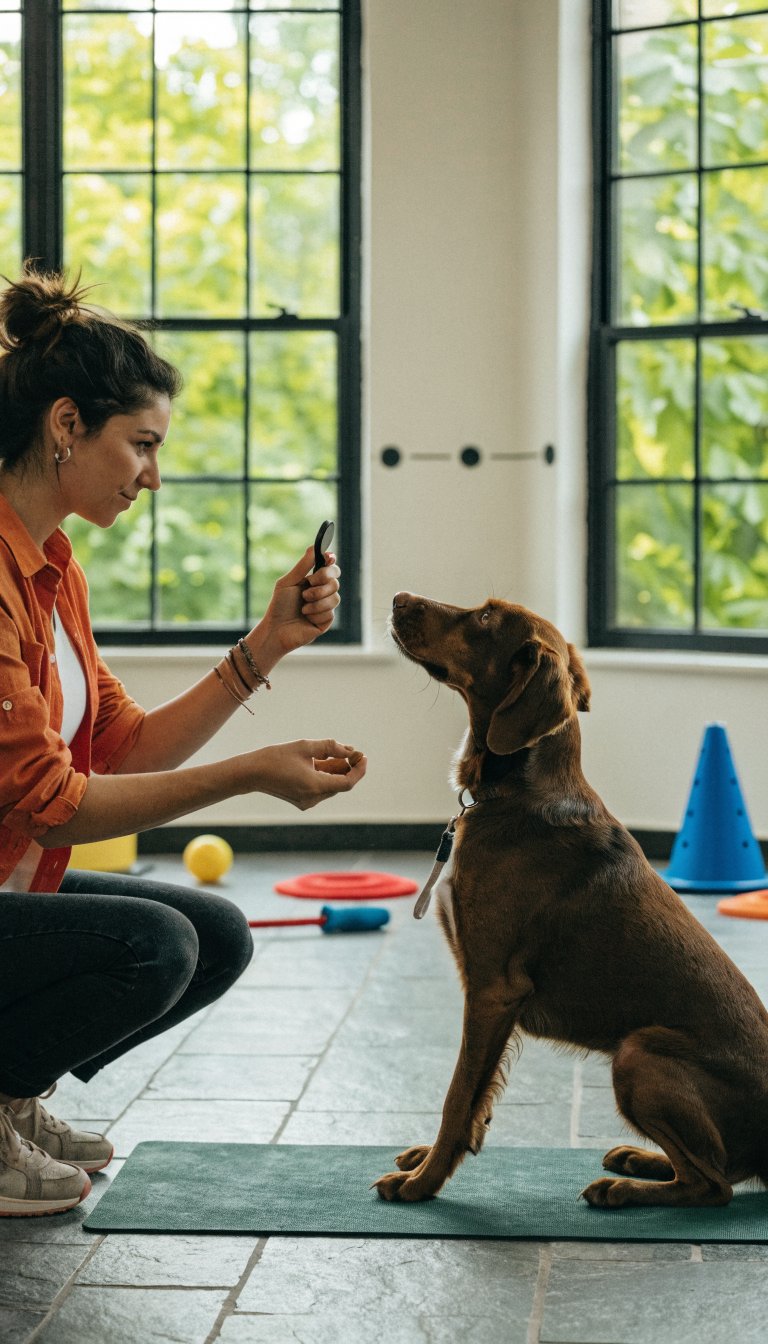
Reward timing is training’s secret sauce. A split second late and you lose the learning moment.
Aim for the exact behavior you want, then pop the reward. This helps your dog connect the dots fast.
Timely Tips
- Mark the behavior with a click or word before the reward
- Offer a high-value treat for tricky tasks
- Vary rewards to keep motivation high
Watch your dog’s enthusiasm skyrocket when timing is on point.
5. Make Training Fun, Not a Chore
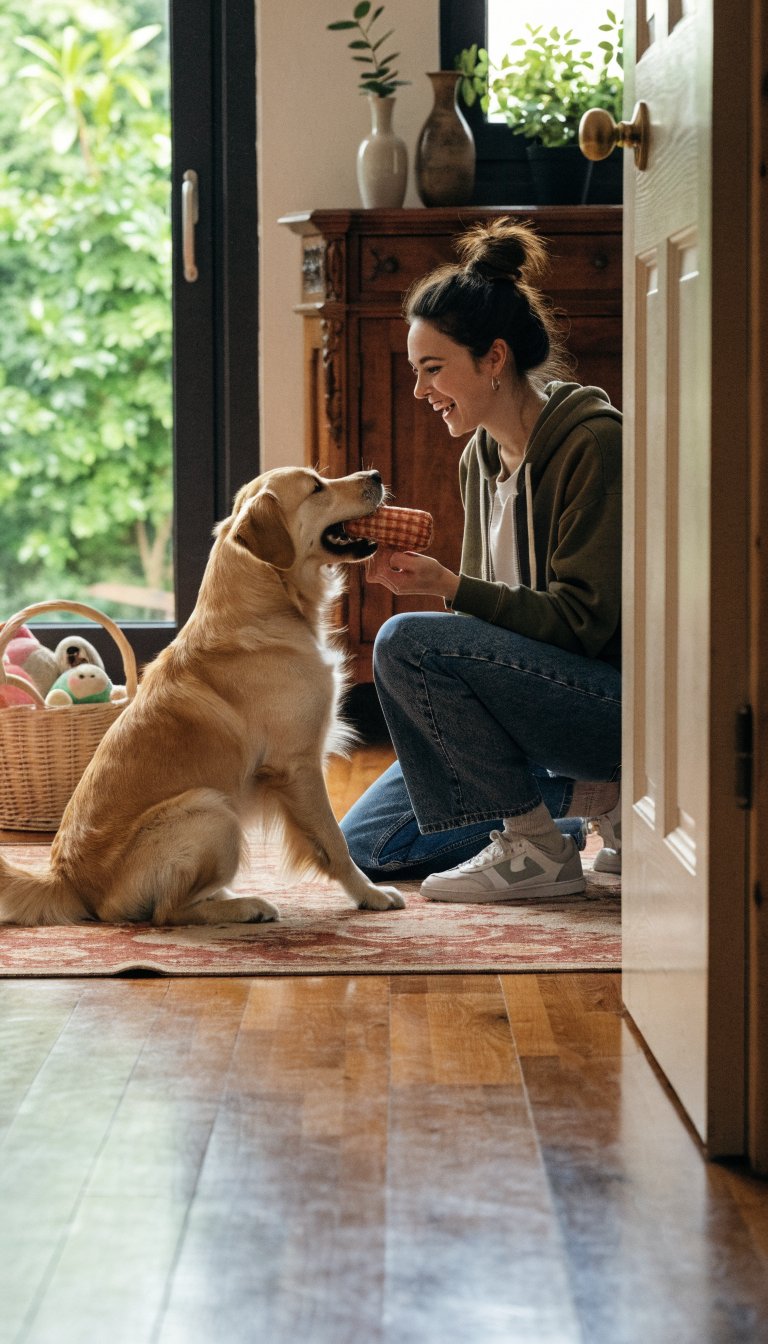
Dogs pick up on your energy. If you act bored, they will too. Make sessions feel like a game, not a drill.
Gamify progress with challenges that align with daily routines. Trust me, fun pays off in better retention.
Fun Elements
- Incorporate games like hide and seek
- Pair obedience with quick bursts of play
- Rotate toys to keep novelty high
When training feels like play, your dog volunteers more of the effort.
6. Socialization Without the Fear Factor
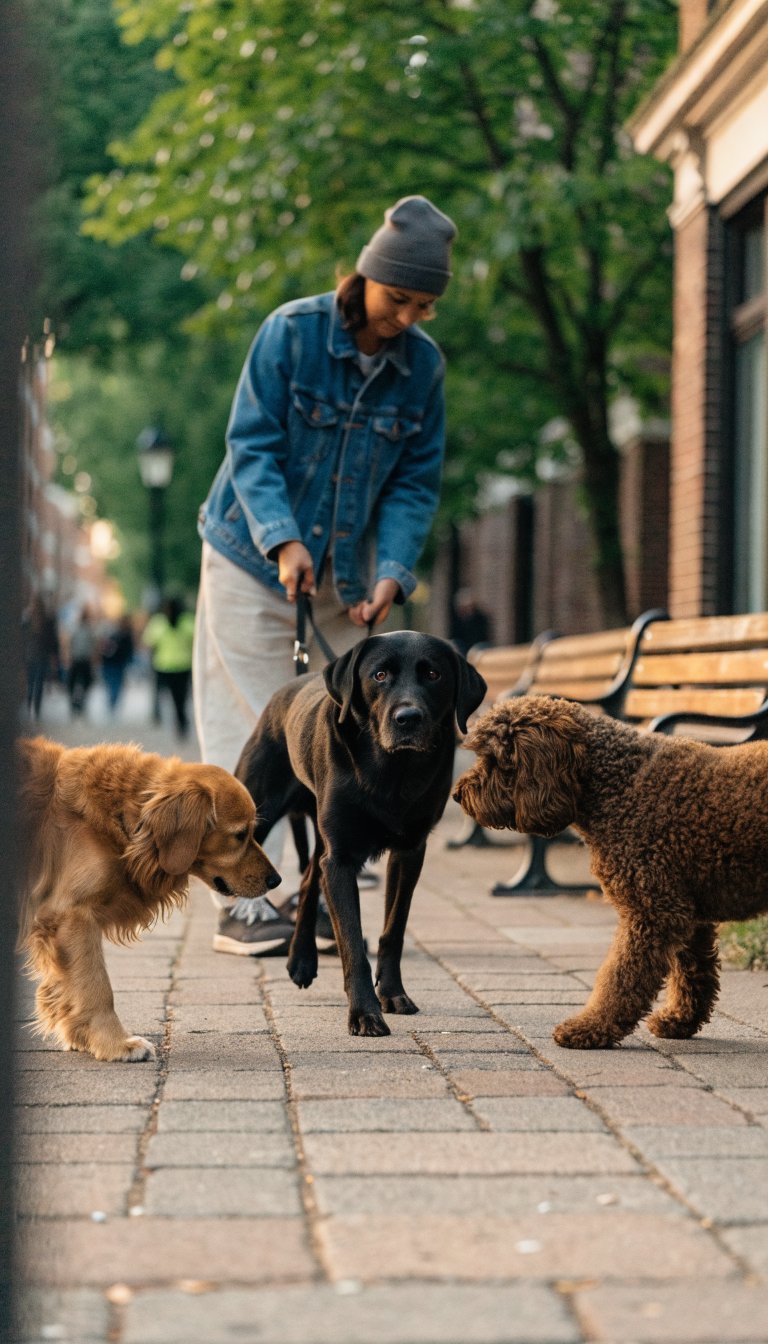
Socialization is not just about meeting new dogs; it’s about safe, low-stress exposure to new things.
Controlled introductions prevent fear and build confidence, which in turn improves obedience in real life.
Approach
- Keep initial introductions calm and short
- Use distance and slow exposure to new sights
- Monitor body language and back off if stress signs appear
Early, positive exposure pays dividends when chaos happens outside your home.
7. Practical Tools Over Fancy Gimmicks
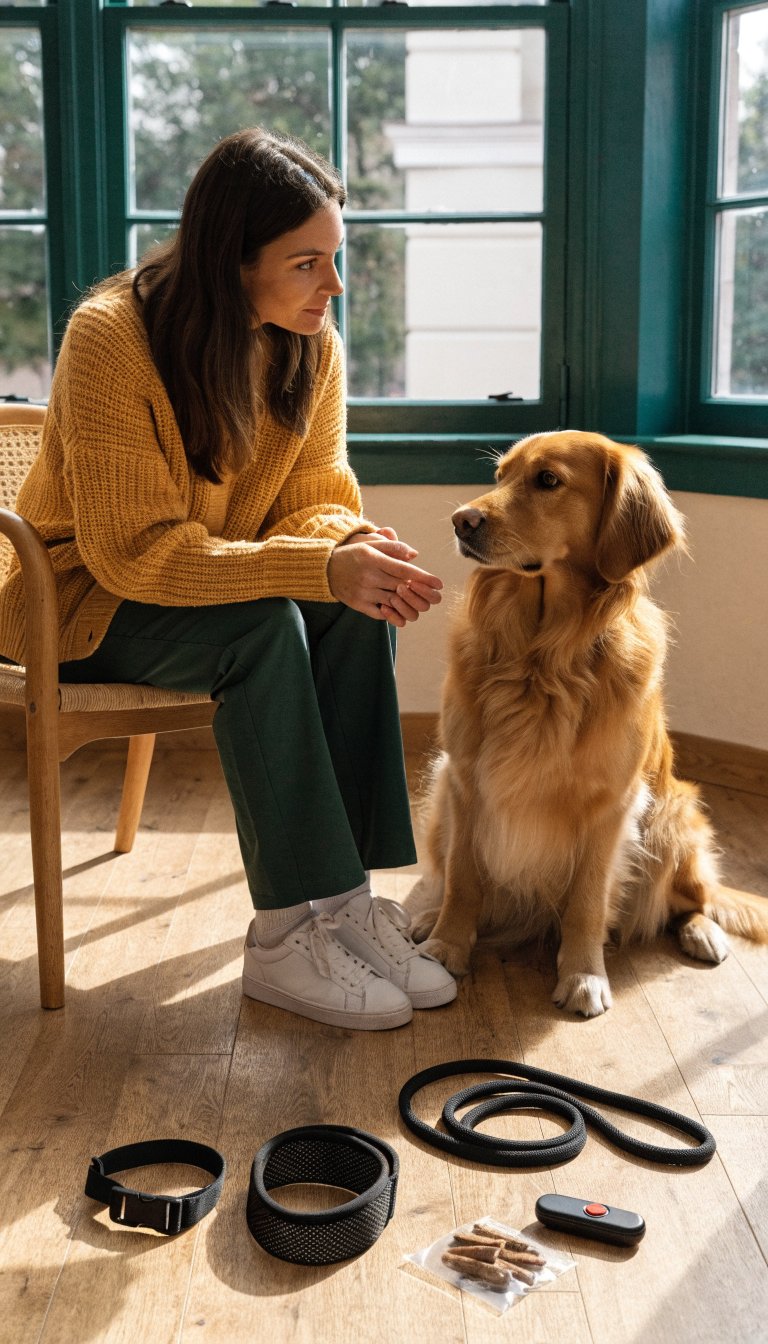
You don’t need a full gadget parade to train well. Practical, reliable tools do the heavy lifting.
Start with a simple leash, a clicker if you like, and a stash of high-value treats. Build from there as needed.
Must-Have Tools
- Flat buckle collar or harness
- Two leash lengths: 6 ft and 15 ft
- Reliable treats and a clicker (optional)
Good tools reduce frustration and let you focus on the one thing that matters — your dog learning faster.
8. Consistency Is Your Secret Superpower
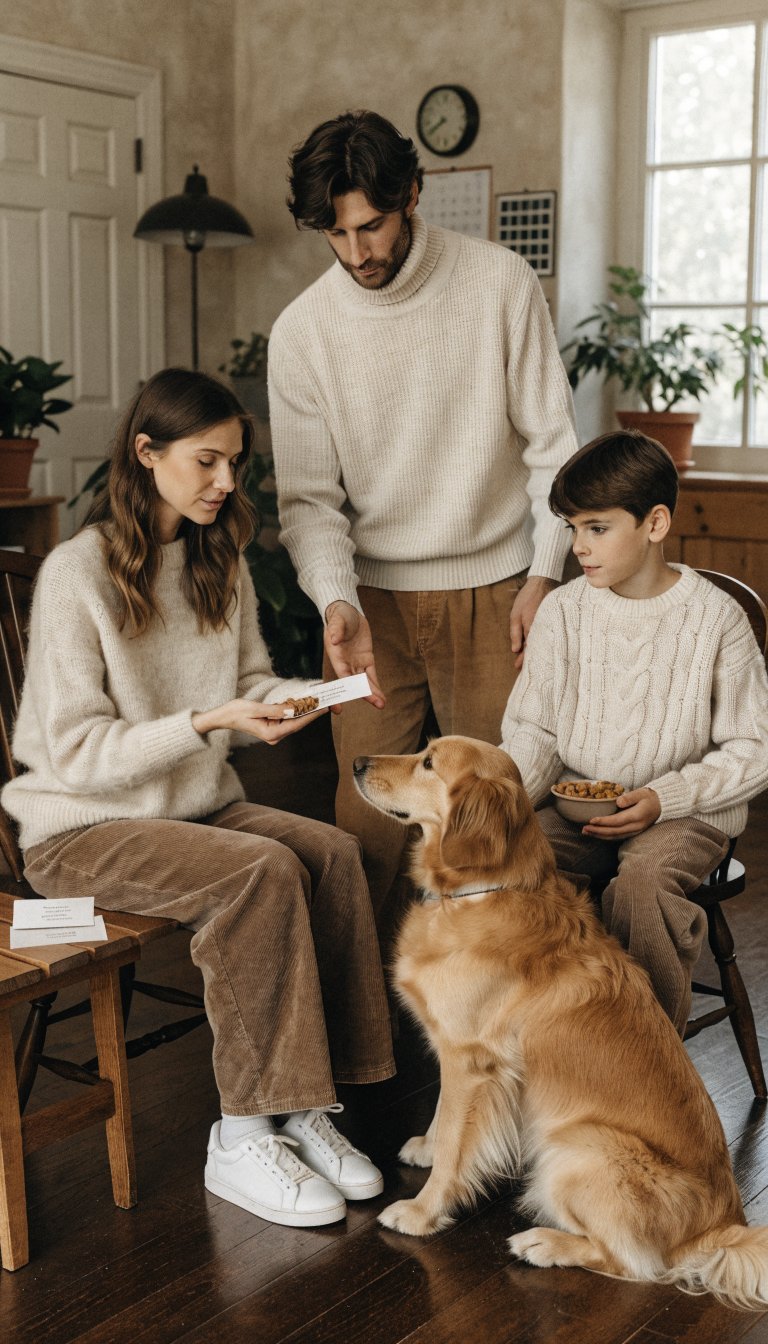
Inconsistency creates confusion and stalls progress. Make training rules, not exceptions.
Set household routines and stick to them. Your dog will learn faster when every family member is on the same page.
Consistency Checklist
- Same cues, same rewards across people
- Same schedule for meals, walks, and training
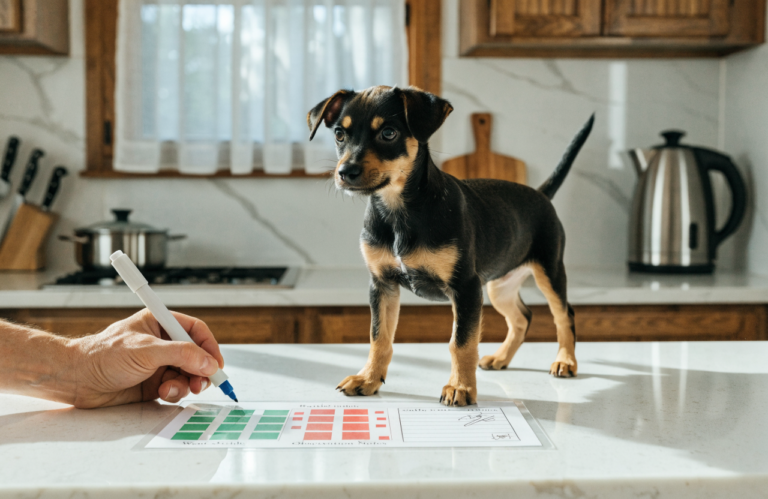
- Record progress and adjust as needed
Consistency turns small daily wins into lasting habits that stick for life.
9. Set Realistic Boundaries and Expectations
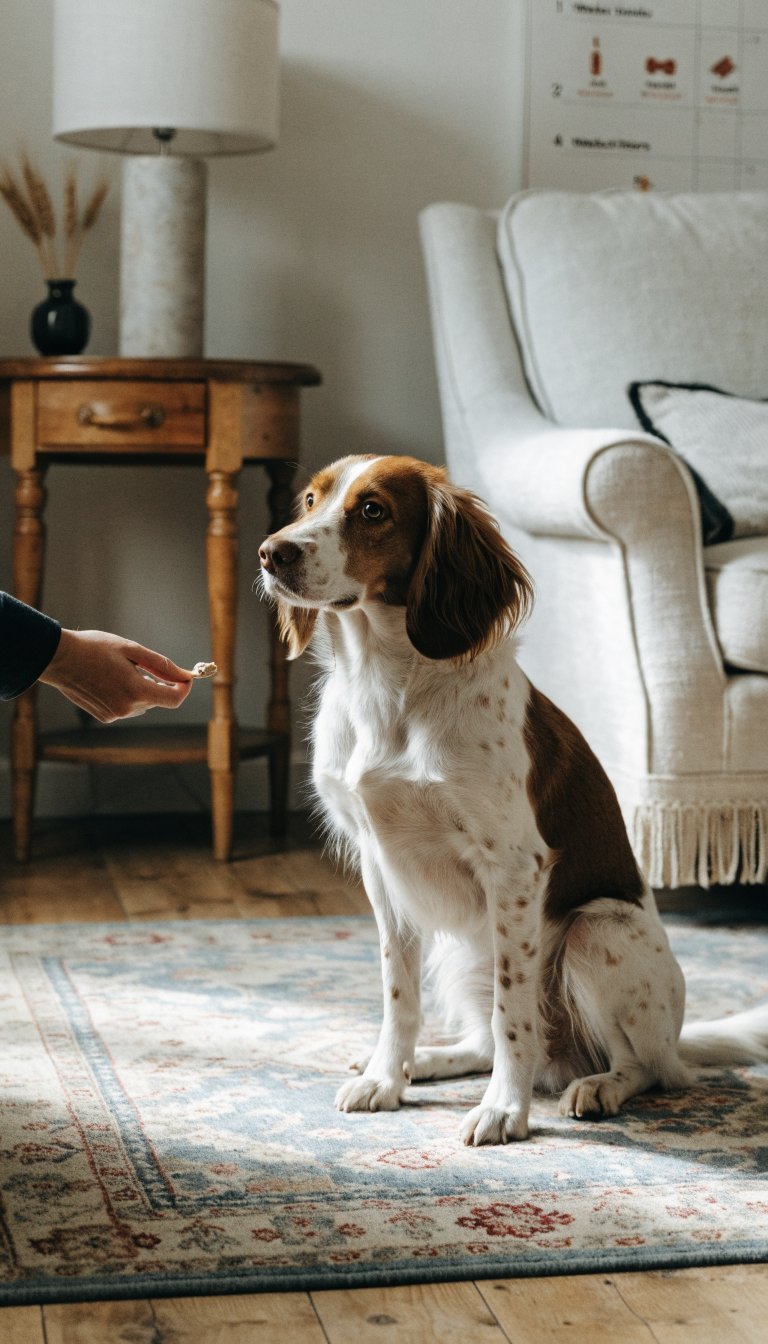
Every dog has a baseline. Pushing too hard beyond natural limits causes burnout and resistance.
Progress gradually with clear milestones and celebrate every little upgrade. Your dog will feel successful and motivated.
Milestone Guide
- Week 1: Sit reliably for treats
- Week 2: Recall with low distractions
- Week 4: Wait at doors calmly
Slow, steady wins lead to durable, everyday obedience.
10. How to Handle Setbacks Like a Pro
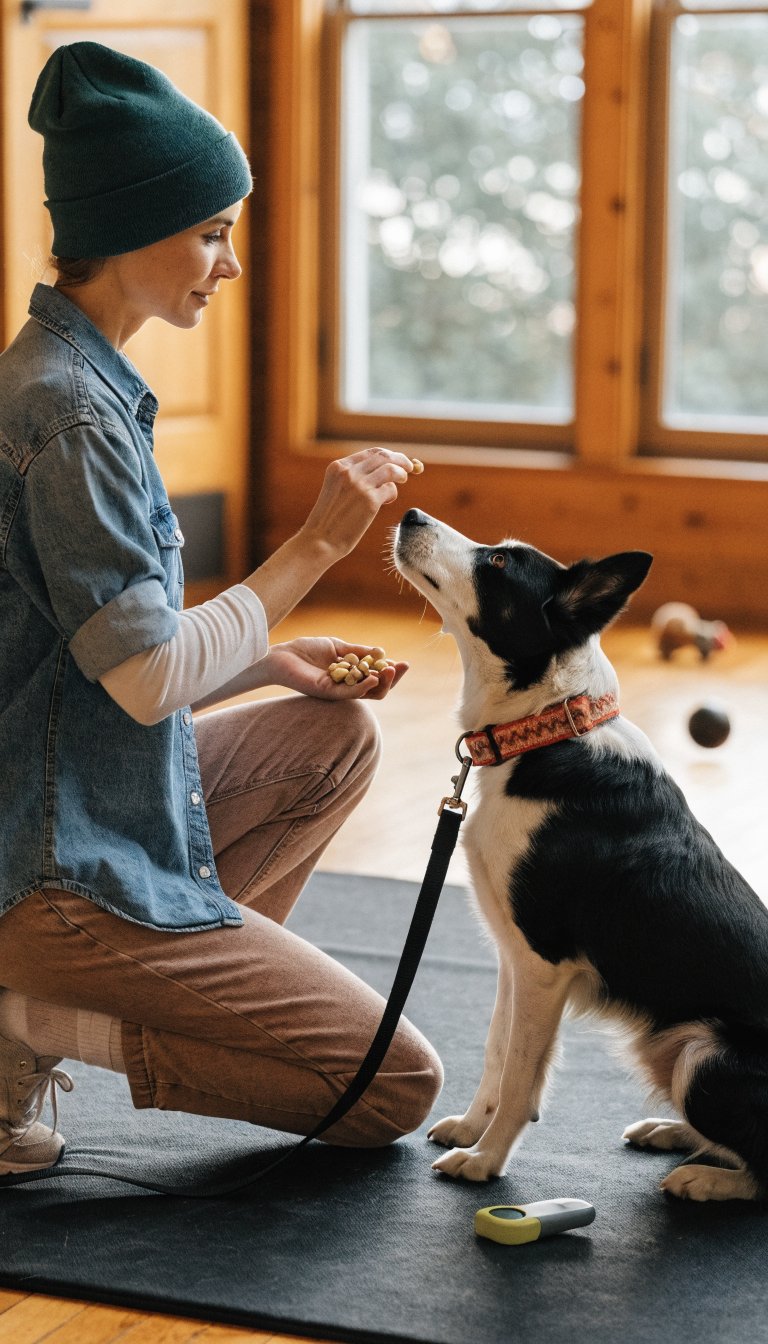
Setbacks happen. A retrace does not equal failure, it’s a cue to adjust your approach.
Review what changed, tweak cues, and reintroduce high-value rewards. You’ll bounce back faster than you expect.
Recovery Steps
- Identify the distraction that caused the slip
- Reduce distance and increase prompts temporarily
- Return to a previous success level to rebuild confidence
Resilience in training builds a dog that stays on track even during stress.
11. Celebrate Wins, Share the Love
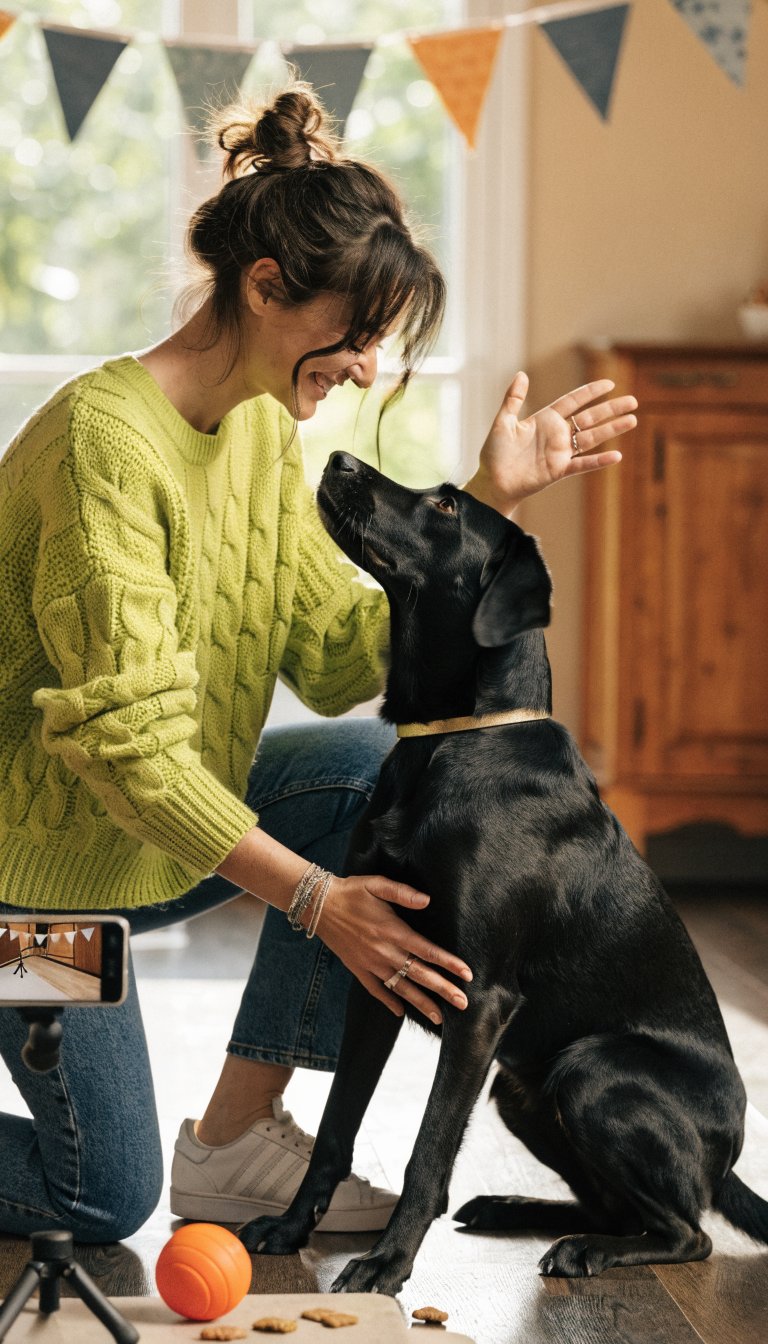
Progress deserves a party, even if it’s a tiny one. Positive reinforcement is contagious.
Share milestones with friends or post little progress videos to stay motivated and accountable. Your dog will feel the love and respond with more enthusiasm.
Celebration Ideas
- End each session with a quick play burst
- Offer a favorite treat after a tricky task
- Give verbal praise and a gentle belly rub
When training feels rewarding, your dog learns faster, behaves better, and you both enjoy the journey more.
Ready to apply these ideas and see real changes? Grab a timer, pick three concepts to start this week, and go have fun with your pup. You’ve got this.
About the Author

Hazzatul Khan
Dog Care & Training Expert
Hazzatul Khan is a passionate dog lover and canine care specialist with years of experience in dog training, nutrition, and everyday behavior management. He is dedicated to helping pet parents build happier, healthier, and safer relationships with their furry friends through simple, natural, and science-backed dog care advice.