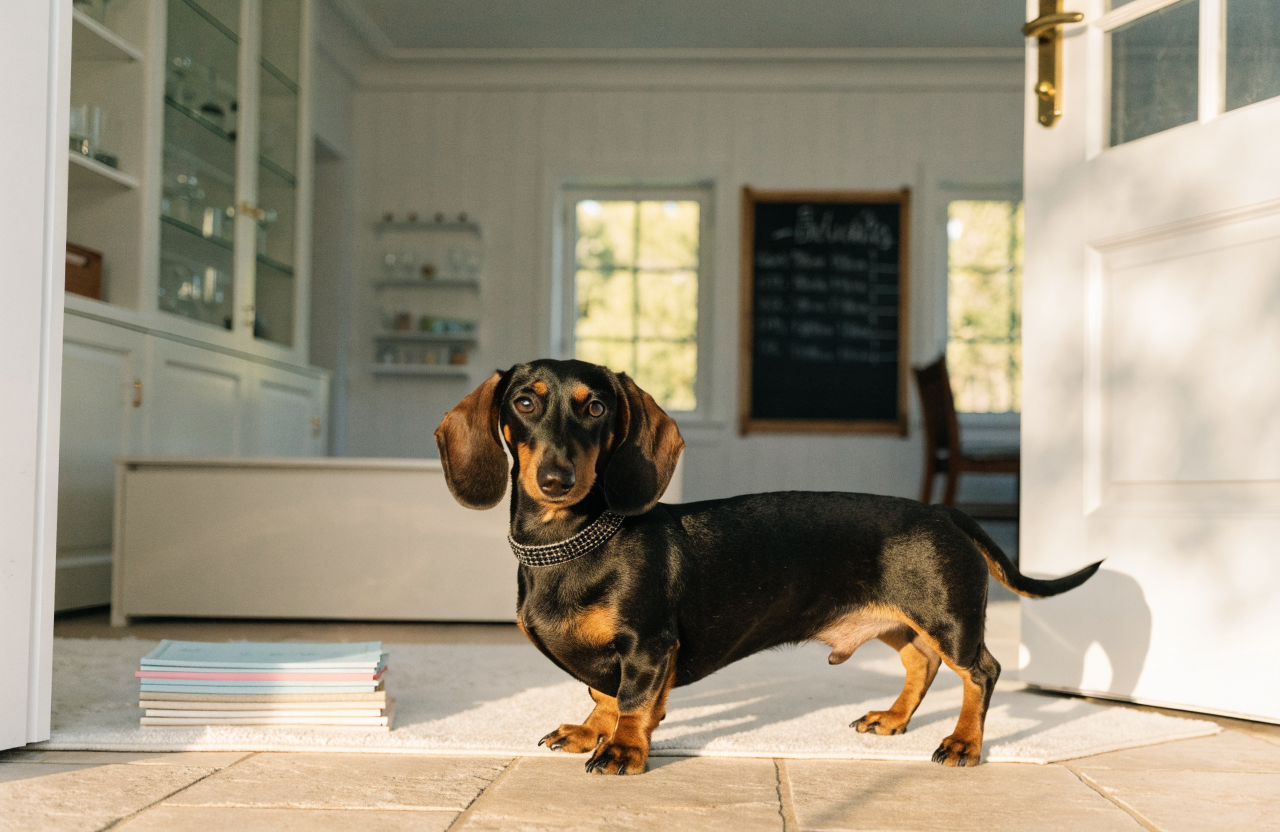
Dachshund Potty Training: 7 Mistakes That Can Slow Progress
Ever tried potty training a stubborn wiener dog and felt like you were racing a tiny, powerful engine with legs? You’re not alone.
These missteps can drain motivation and stretch training weeks into months. Fix them and watch your pup start signaling you like a pro.
Stick with me and you’ll pick up tactics that actually work, plus a few goofy tricks to keep it fun for both of you.
1. Ignoring a Clear Schedule and Routine
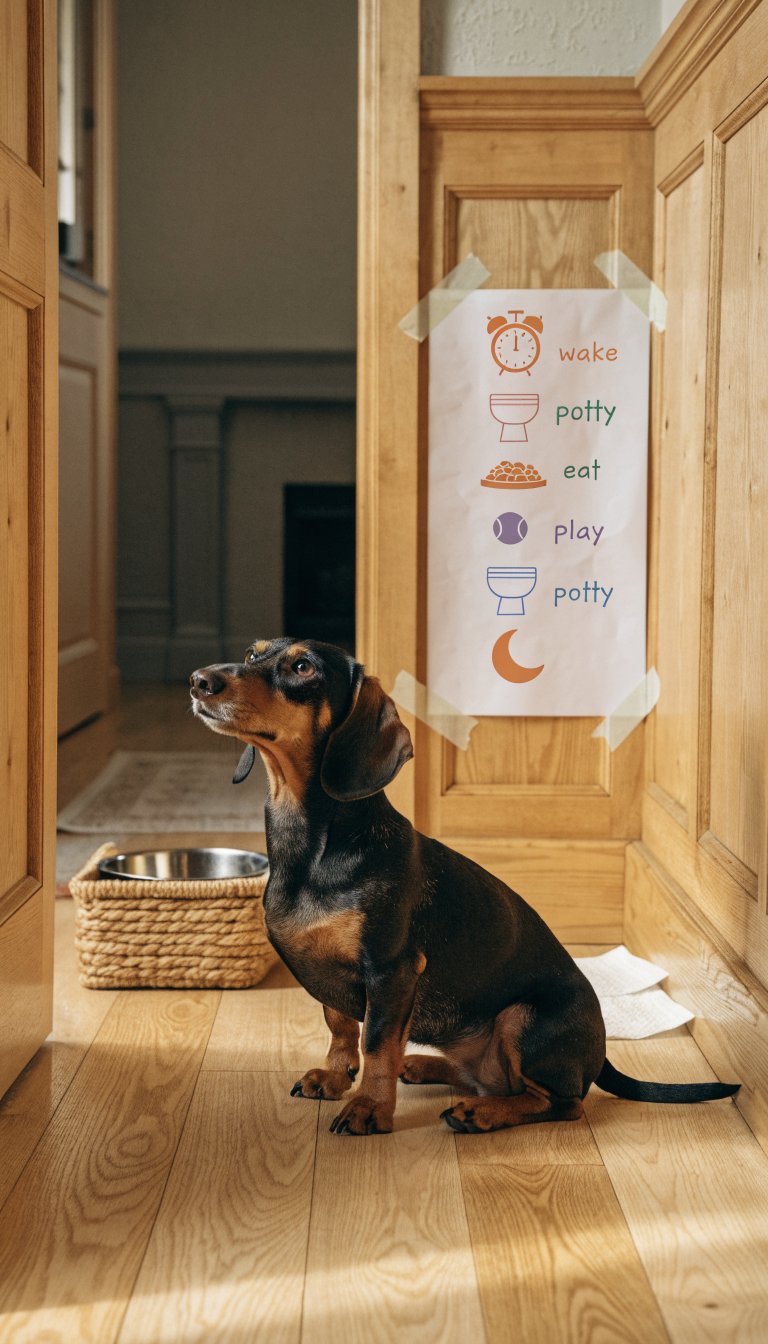
Dogs thrive on rhythm, and dachshunds are no exception. When you skip meals, inconsistent potty times, or random wakeups, accidents happen and progress stalls. Consistency isn’t cruel, it’s smart.
Key Points
- Set feeding times and potty breaks every 2-4 hours depending on age
- Use a predictable sequence like wake, potty, eat, play, potty, sleep
- Track successes and accidents to fine tune timing
Building a routine reduces anxiety for your pup and speeds up learning. Apply this ASAP and reap calmer mornings and fewer surprises.
2. Punishing Accidents Instead of Guiding the Pattern

Accidents happen, especially with determined little mess machines. Punishment teaches fear and can erase trust. You want to guide the pattern, not scare the dog into hiding it.
Tips
- Address accidents with calm redirection and immediate praise for peeing outside
- Limit harsh scolding to a firm correction and move on
- Reinforce the outdoor signal with treats and enthusiastic praise
Positive reinforcement builds confidence and speeds up training. FYI, a confident pup is a quick learner.
3. Skipping Supervised Outdoor Time or Confinement Strategy
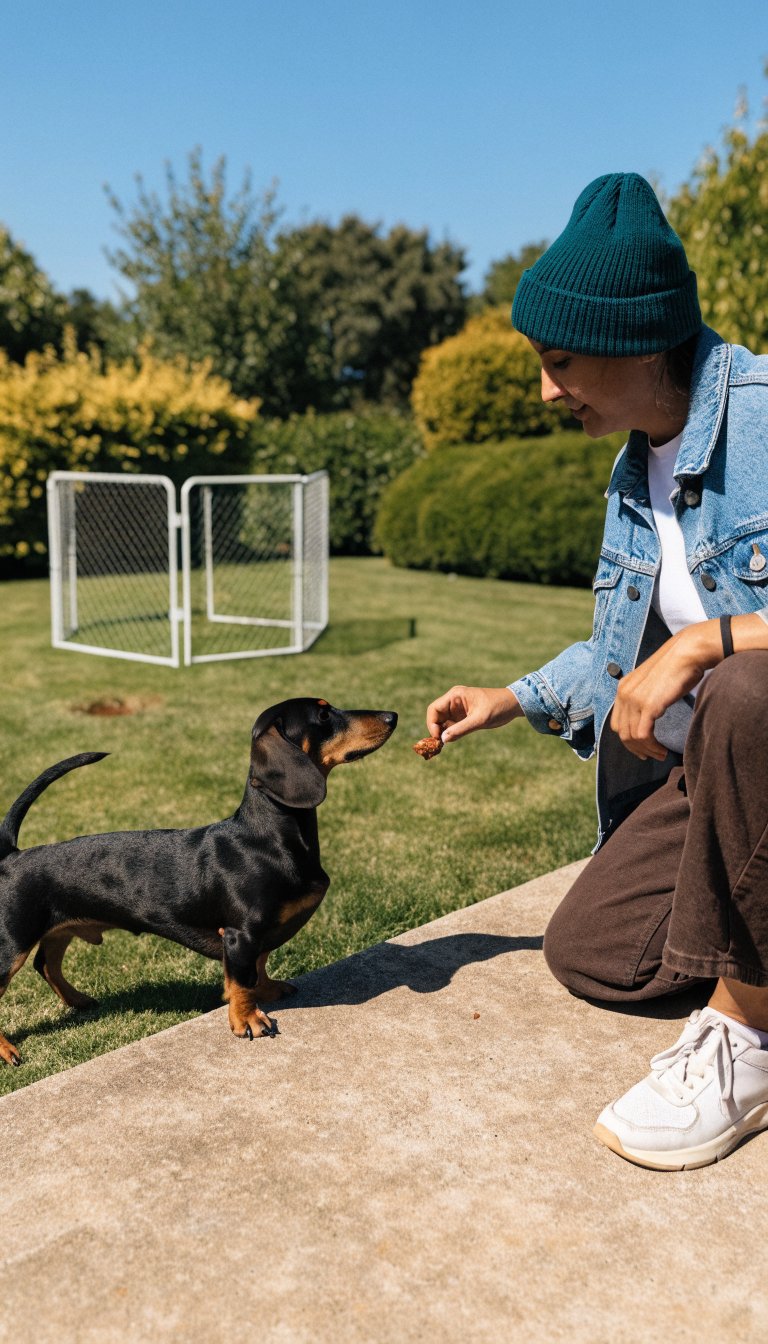
Supervision is the secret sauce. If you don’t watch closely, your dachshund will practice the wrong habit in your living room and you’ll be back at square one.
Why it matters
- Supervision prevents unwanted rehearsals indoors
- Confinement zones (like a playpen) create safe, predictable potty zones
- Gradual freedom comes with proven success and time
End with a quick note: short, frequent outdoor sessions beat long, sporadic ones every time. Your pup will thank you with fewer accidents and more trust.
4. Ignoring Proper Toilet Cues and Signals

Dogs tell you they need to go, if you’re listening. Dachshunds are experts at subtle signals because they want to avoid getting in trouble. If you miss the cues, you miss the window.
Key Cues to Watch
- Sniffing, circling, or heading toward the door
- Pacing near windows or doors, whining for attention
- Sudden stop in activity and a little tinkle you miss
Train yourself to recognize cues and respond immediately with a potty break. Trust me, catching the cue early saves you from surprise carpet calls later.
5. Overlooking the Right Potty Setup and Location
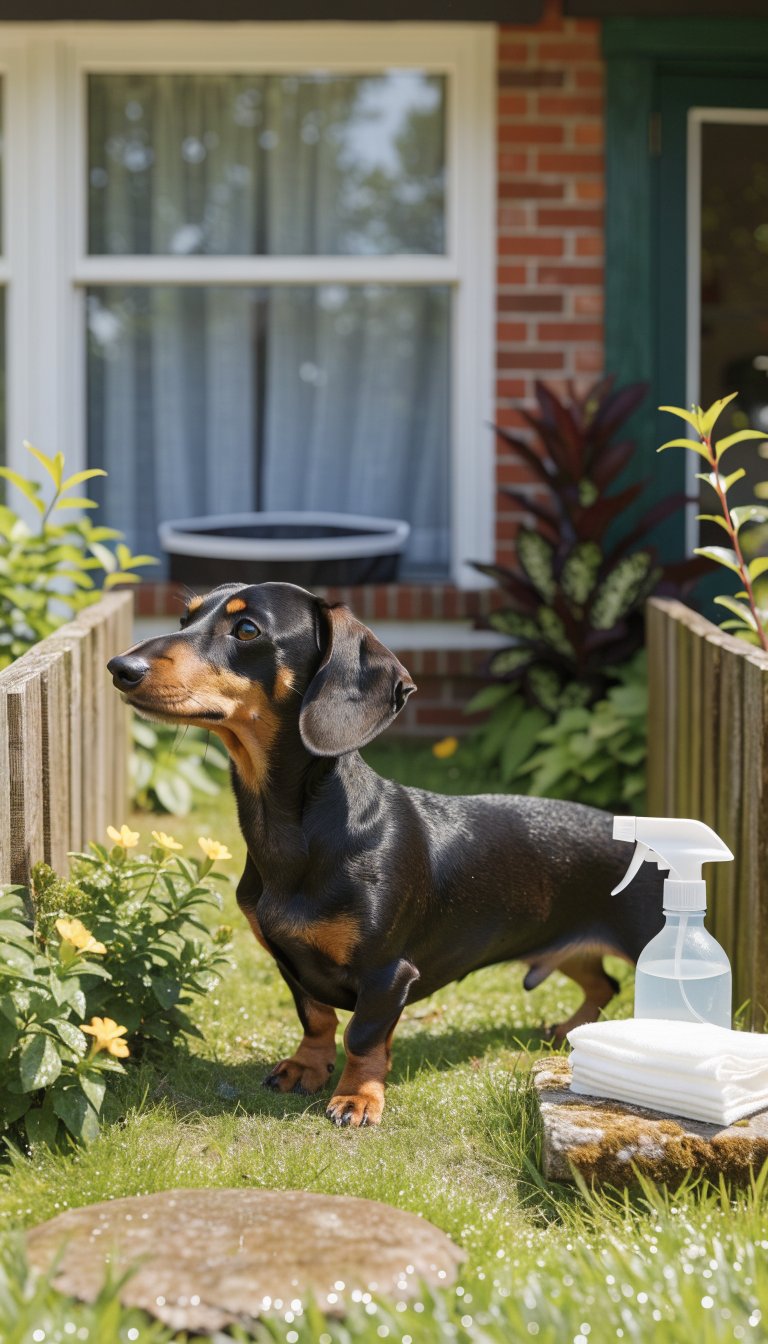
Where your pup goes matters as much as when they go. A poor setup means you’ll fight stains and repeat accidents, plus a confused dog that seems to ask, “Where should I even go?”
Pro Tips
- Designate a potty area outdoors with a clear boundary
- Use a consistent indoor option for bad weather or crate training
- Keep cleanup supplies ready and non-toxic for quick action
Clear, repetitive locations create a mental map for your pup, which translates into faster, cleaner potty habits. Use this to your advantage and watch the progress accelerate.
Want a quick bonus to keep it light and effective? Try pairing outdoor potty breaks with a brief sniff-and-scan routine and a tiny reward. Seriously, it can make the training feel like playtime rather than a chore.
6. Relying on One Method and Ignoring Individual Doggy Pace
Every dachshund learns at a unique pace, and your pup might need different cues, timings, or rewards than a friend’s dog. Rigid plans slow progress and can feel frustrating.
What to do instead
- Mix reward types: verbal praise, treats, and a favorite toy
- Adjust timing and frequency based on progress, not schedule obsession
- Be prepared to pivot training style if signals aren’t sticking
Flexibility keeps morale high and reduces friction. It’s about meeting your dog where they are, not forcing them to fit a cookie-cutter plan.
7. Ending Training Sessions Too Early or Making Them Too Long
Training energy matters as much as the content. Short, punchy sessions beat marathon marathons any day. If you drag out sessions, your pup tunes out and you lose momentum.
How to optimize sessions
- Keep sessions to 5-10 minutes, 2-3 times a day
- End on a high note with a success or game, not a plateau
- Gradually increase challenge after consistent progress
By ending on a high note, you leave your dachshund begging for more learning and fewer distractions. FYI, consistency is your best ally here.
Big picture: potty training a dachshund is less about willpower and more about structure, patience, and positive signals. You’re shaping a tiny handler who loves going outside, not a rebel who fights every step. The more you align with your dog’s pace and cues, the quicker you’ll see clean days and confident pacing.
By applying these seven mistakes-aware strategies, you’ll speed up progress and keep the process enjoyable for both of you. Trust me, a little consistency and a lot of positive vibes go a long way.
About the Author

Hazzatul Khan
Dog Care & Training Expert
Hazzatul Khan is a passionate dog lover and canine care specialist with years of experience in dog training, nutrition, and everyday behavior management. He is dedicated to helping pet parents build happier, healthier, and safer relationships with their furry friends through simple, natural, and science-backed dog care advice.