Labrador “Drop It” Training: Turn Trading Into a Game
The moment your Labrador eyes meet your treat bag, you’ve got a window for training that’s bigger than any obstacle course. “Drop it” isn’t just about possession—it’s about turning a potentially chaotic moment into a quick, friendly game. Let’s turn trading into a game you both enjoy, minus the chaos.
What “Drop It” really is (and isn’t) for a Lab
You’ve probably heard the phrase a million times, but what does it actually mean in the daily routine? For Labs, “Drop It” is a compound of self-control, impulse management, and clear communication. It isn’t a punishment or a trick you pull when you’re frustrated. It’s a mutual agreement: you stop chasing and your dog gets a quick, tasty payoff.
– It protects your dog from dangerous items.
– It keeps you both calm during hectic moments.
– It builds trust that you’re a reliable, fair partner.
Think of it as a conversation you’re having all day, with your dog as an enthusiastic co-pilot.
Setting up the game: the basics you actually need
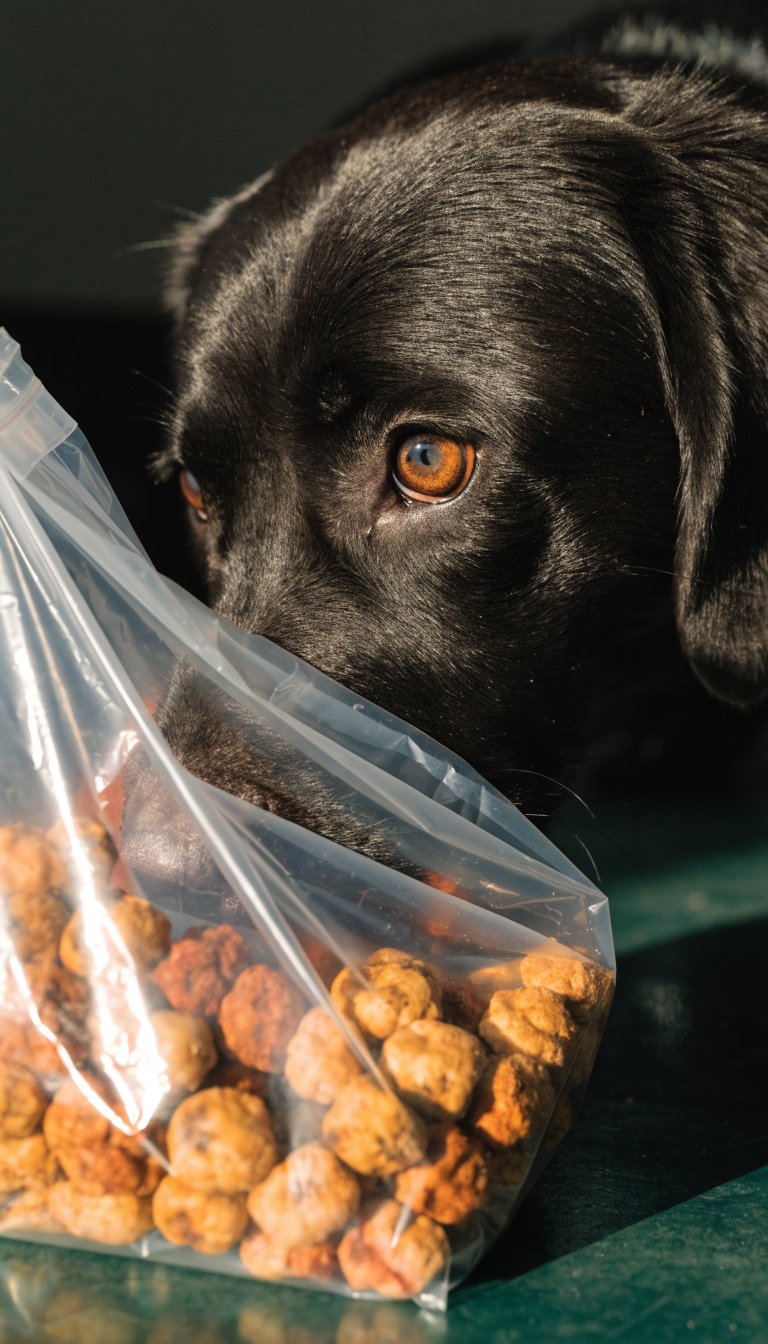
Before you dive into fancy tricks, you need a solid foundation. Here’s a simple playbook to start turning “drop it” into a game, not a chore.
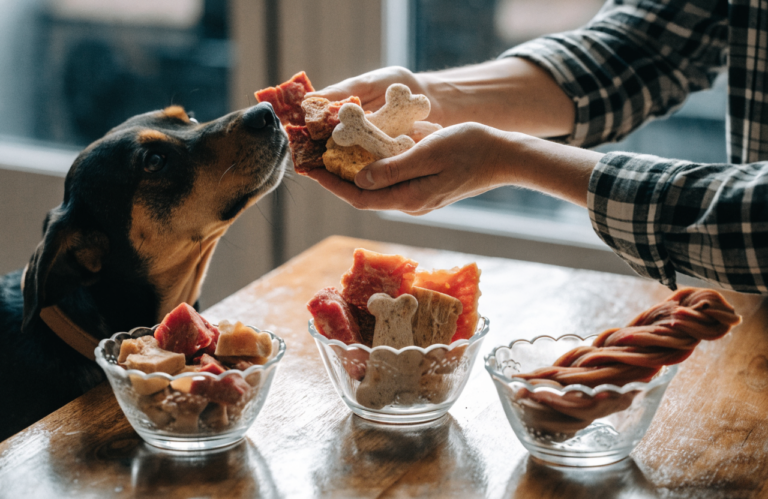
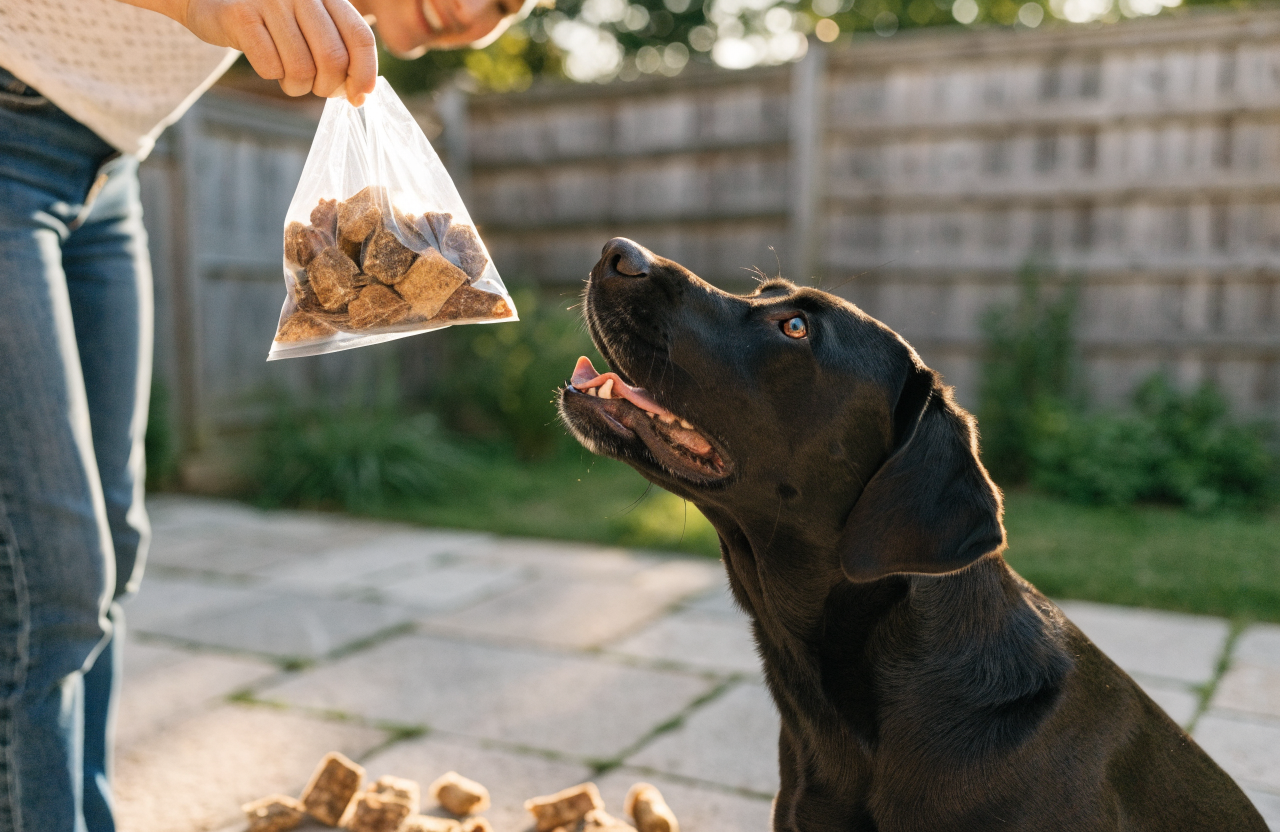
– Choose your rewards wisely: Use treats that are genuinely exciting but not stomach-chugging. Tiny, highly motivating bits work best to reinforce the behavior quickly.
– Pick a clear cue: Pick a single word or phrase (like “drop” or “leave it”). Consistency matters more than clever phrasing.
– Create a safe space: Clear the floor of high-value objects your Lab might grab. You want to reward effort, not chaos.
– Short, frequent sessions: 5–10 minutes several times a day beats one long, exhausting drill. Your Lab will stay engaged if you make it snack-sized.
Step-by-step: turning trading into a quick, fun game
Now we actually train. Here’s a practical sequence that feels more like play and less like drill sergeant stuff.
- Show and lure: Hold a low-value item and then swap for something tastier. The swap creates a predictable pattern—the dog learns that exchanging is how to win the game.
- Leave it as a buffer: Start with objects you can safely move away from. If your Lab drops instantly, you celebrate with praise and a reward. If not, calmly make the exchange.
- Upgrade the challenge: Increase the difficulty by holding the object longer or starting with items a bit more valuable. Your dog stays engaged because the excitement of the reward remains high.
- Practice “two-step drop”: First drop, then place on the ground. Then reward. It’s about sequencing—your Lab learns that the order matters and it pays off.
– Pro tip: If your Lab tends to snap, keep the treats in a closed container until you need them. You’re teaching impulse control, not fanning the fire.
Common hiccups and how to fix them
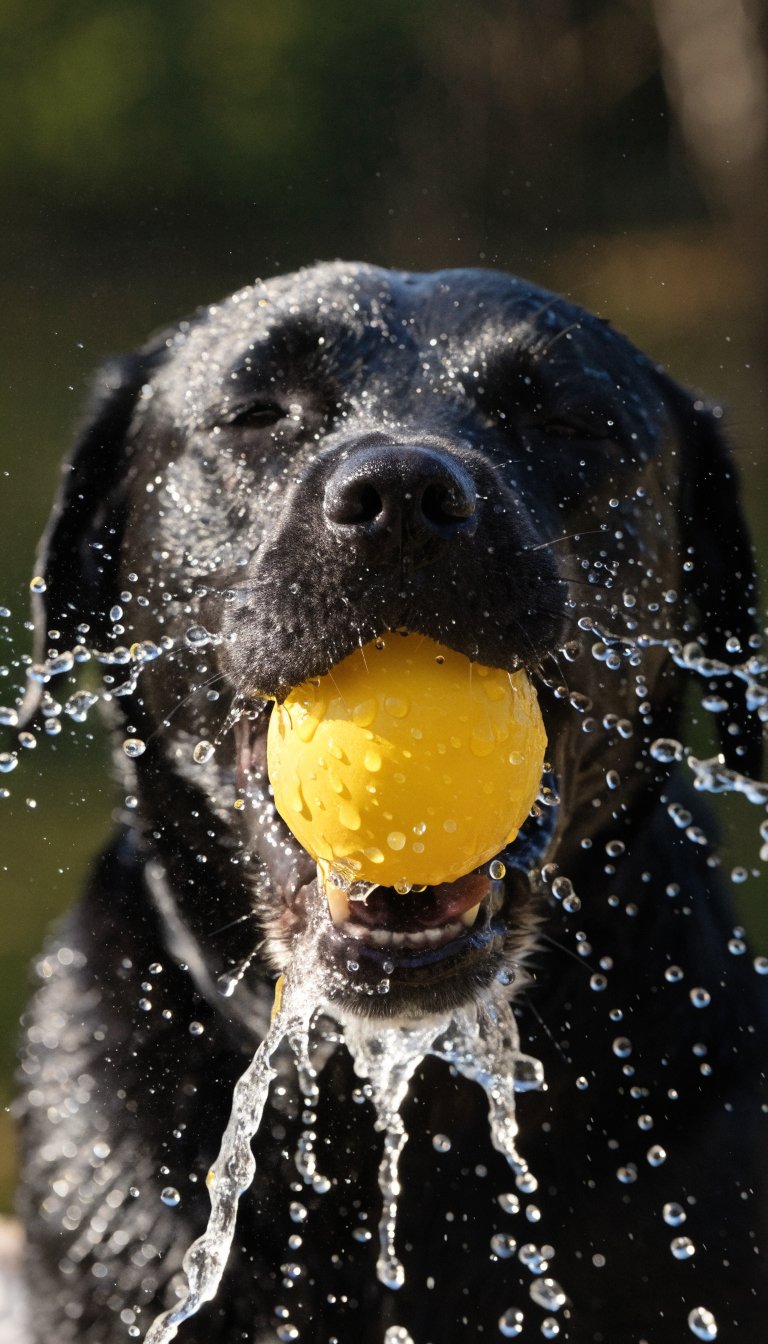
No training is flawless out of the gate. Here are a few typical roadblocks and friendly fixes.
Hiccups: the “I’ll just grab it anyway” phase
Your Lab goes for the object even after you asked for a drop. Stay calm, reset your cue, and start a fresh swap game with a known-high-value reward. Short, repeatable bursts beat long, exhausted sessions.
Hiccups: escalation when new objects appear
New items can trigger novelty chaos. Introduce the new item in a controlled swap game to show it’s part of the routine. If your Lab shows interest, reward the moment of compliance, not the chase.
Hiccups: lazy or slow drops
If your dog takes a bit to drop, don’t pressure. Pause, count to three, offer a higher-value reward for dropping, and repeat. Consistency beats intensity here.
Turning it into a daily game: routines that stick
Consistency is your best friend. Here are simple, repeatable routines that make “Drop It” a natural habit.
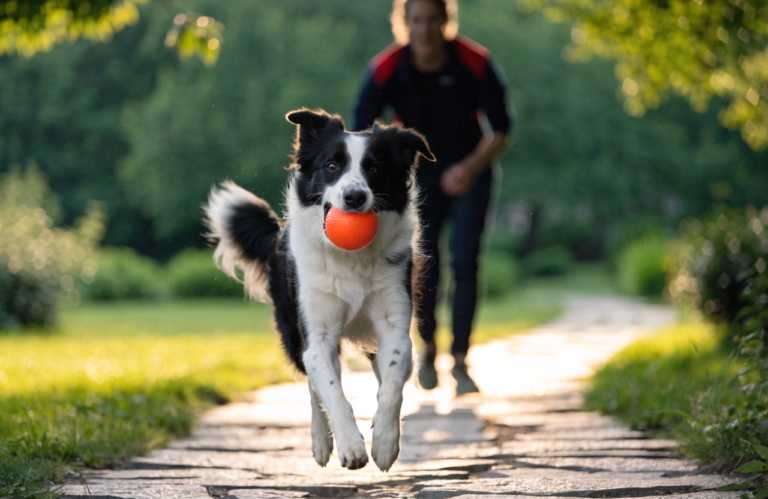
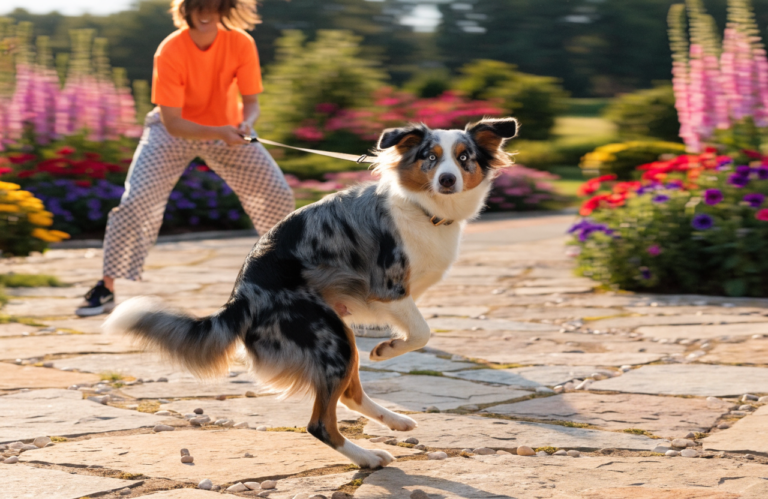
– Morning fetch with a twist: During fetch, occasionally call out “drop it” mid-flight. Swap for a treat mid-air, so behavior is reinforced in motion.
– Kitchen clean-up game: Encourage your Lab to drop items found on the floor before you sweep or wipe. It keeps the dog focused and the house cleaner.
– Car snack protocol: If your Lab picks up something questionable on a walk (stick, random object), use the swap technique before allowing access to the car. It’s safer and less dramatic.
Tools and toys that help keep it light
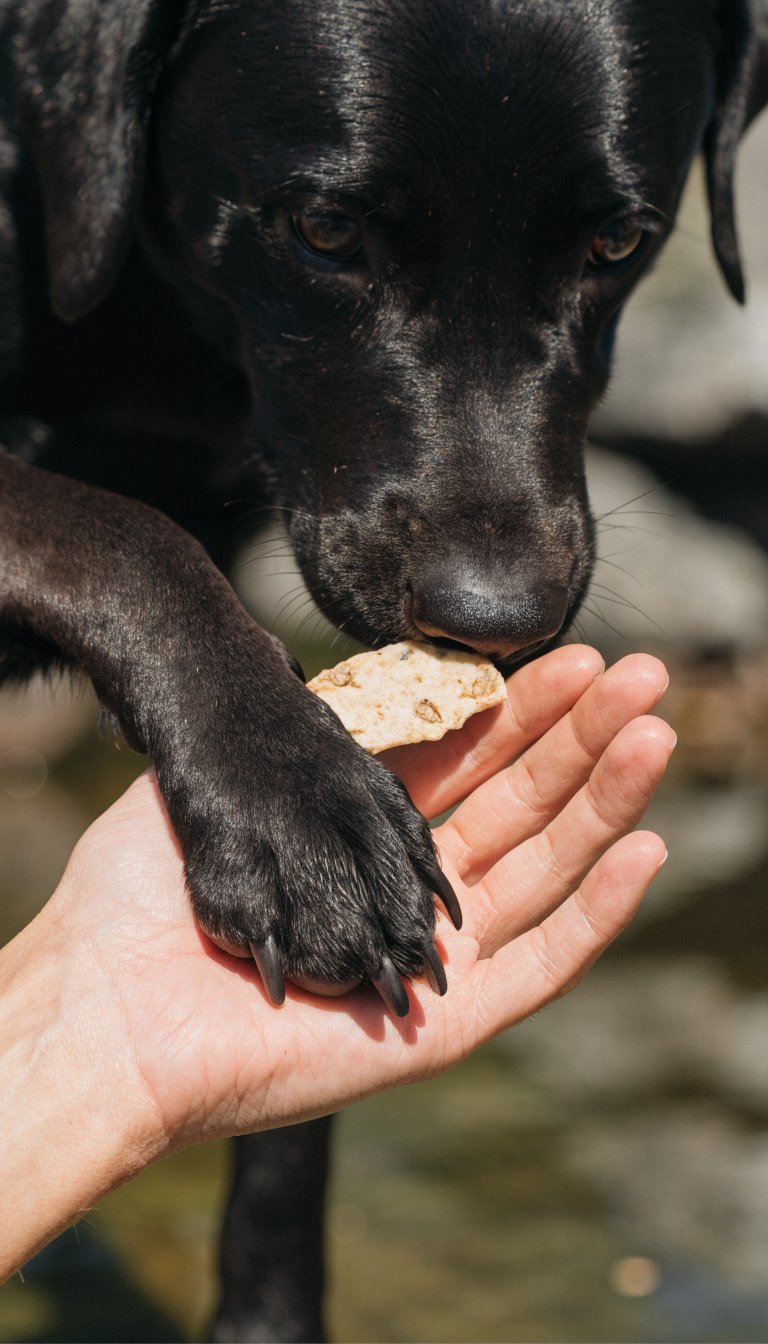
The right tools can prevent frustration and add a playful layer to the training.
– Interactive toys: Toys that dispense treats during chewing or shaking can be great for “drop” practice after you’ve swapped to something safer.
– Lightweight items for practice: Start with soft toys or rubber items you’re comfortable swapping. You don’t want a scary or dangerous object to ruin the game.
– Treat pouches and timers: A quick pouch for treats and a timer to keep sessions short helps you stay on track without overdoing it.
Progress tracking: when to level up and when to slow down
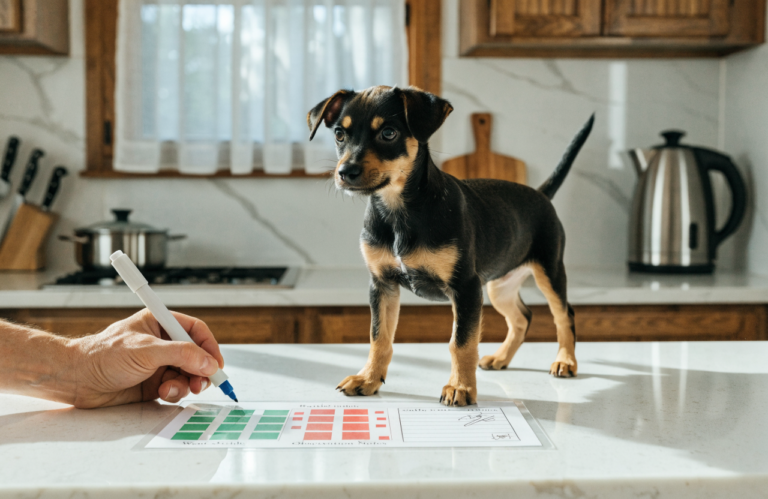
You want measurable progress, not vibes. A simple rubric helps you decide when to graduate to harder challenges.
– Step up criteria: Your Lab consistently drops on the first prompt across 5 sessions in a row.
– Object variety: The dog drops reliably with 3–4 different items in less than 10 seconds each.
– Real-world relevance: Your dog will drop items reliably during walks, at the park, and around family members interacting.
If you’re not hitting those marks, tighten your training windows or pause for a few days to let the behavior consolidate.
FAQ: quick answers to common questions
What if my Lab won’t drop even with a swap?
Start with a lower-value item and a higher-value reward for the drop. Break the task into tiny steps and reward tiny successes. FYI, patience is part of the game here.
How long should I train each day?
Keep sessions short and frequent. 5–7 minutes, 2–3 times a day usually works well. You’ll keep attention without burning out both of you.
Is this okay for puppies or seniors?
Yes, with adjustments. For puppies, keep sessions ultra-short and rewards extra enticing. For seniors, reduce the physical intensity and use softer items. Always tailor to your dog’s energy level and health.
Can this help with aggressive object guarding?
It’s a good foundation. Focus on impulse control and exchange mechanics in a controlled environment with a qualified trainer if guarding is a concern. Build trust first, then expand the game.
What if I don’t have a ton of space?
Use hallway-safe routes and cue-based exchanges in small spaces. The key is consistency, not square footage. Short, focused exchanges win every time.
Conclusion: the game you both want to play
Turning “Drop It” into a game isn’t about turning your Lab into a mind reader; it’s about clear cues, predictable rewards, and a little healthy competition. When your dog sees swapping as a win, the chaos fades and the bond strengthens. IMO, you’ll both look forward to these mini-games—proof that good training can be as satisfying as a well-executed fetch. FYI, the best part is the confidence you’ll gain as you watch your Lab become calmer, more cooperative, and endlessly curious about what fun comes next.
About the Author

Hazzatul Khan
Dog Care & Training Expert
Hazzatul Khan is a passionate dog lover and canine care specialist with years of experience in dog training, nutrition, and everyday behavior management. He is dedicated to helping pet parents build happier, healthier, and safer relationships with their furry friends through simple, natural, and science-backed dog care advice.