Chihuahua Barking: Build a Calmer Front-Door Routine
The moment you hear that tiny thunderclap yap from the front door, you know you’ve got a Chihuahua on a mission. Barking is their cardio, and the front door is their gym. Let’s keep the drama small and the peace of the porch big.
Why Chihuahua Barking at the Door Feels Personal
Chihuahuas are tiny but mighty when it comes to guarding their turf. Their bark sounds bigger than their bite, and that squeaky alarm can feel personal to you and to visitors. Do you know what they’re really signaling? They’re trying to establish safety, get your attention, and set some boundaries all at once. FYI, their vocal cords aren’t necessarily a reflection of aggression—it’s more about communication and energy.
Set Up a Calmer Front-Door Routine
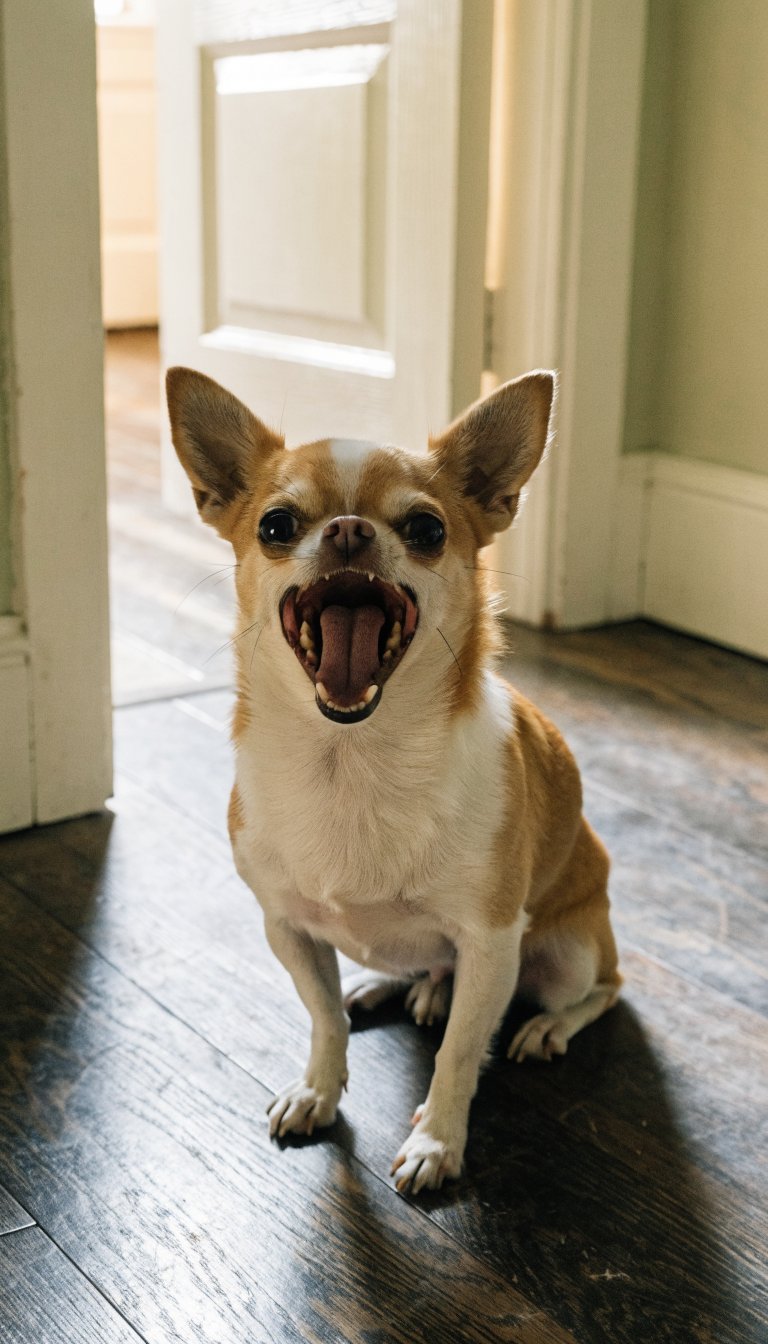
The game changer is consistency. Build a routine your dog can predict, so the door becomes a non-event rather than a full-on drama club.
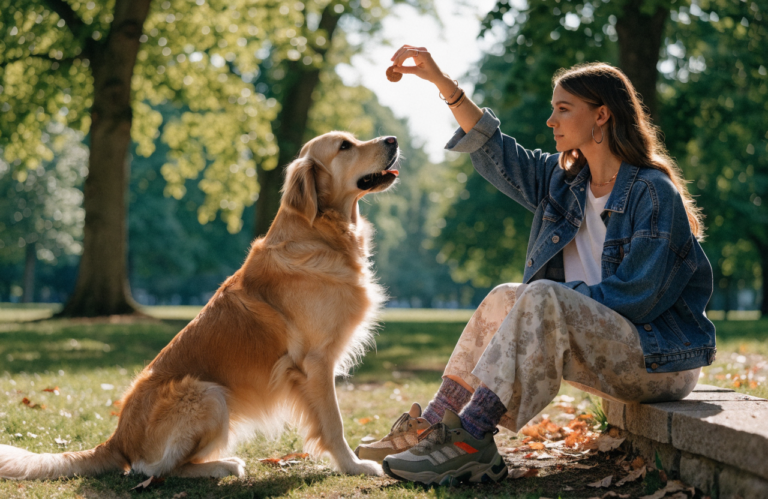
- Pre-door ritual: A quick spin in place, a sit, and a treat before anyone approaches the door. This cues your dog to get calm and listen.
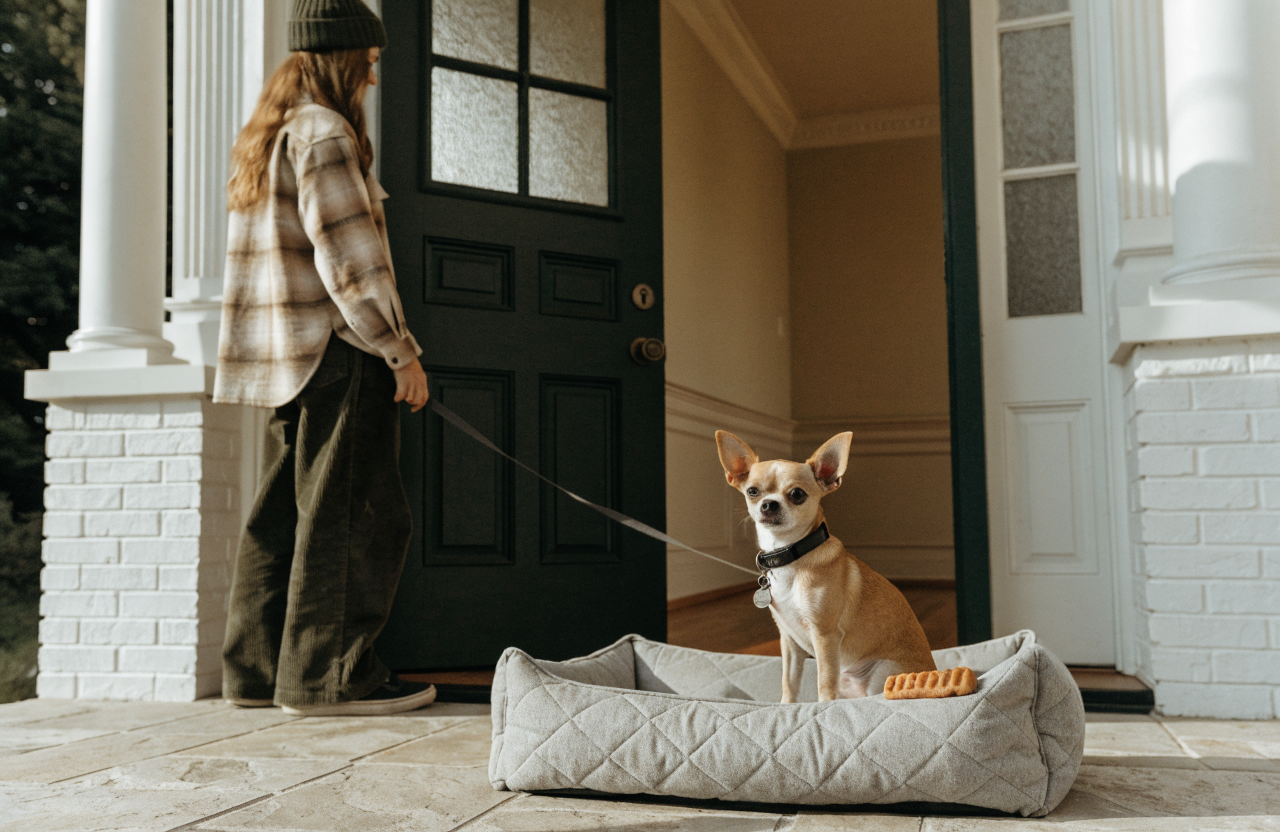
- Door handling plan: Assign a specific spot for your dog to retreat to when the doorbell rings. A bed with a chewy treat works wonders.
- Calm entrances: Have one person answer the door calmly while the other holds the dog back on a leash until you give the quiet cue.
Training Foundations: The Basics that Make a Difference
Solid training beats frantic management every time. Here’s how to lay the groundwork without turning it into a full-time job.
Quiet Cue That Actually Works
Teach your Chihuahua to associate quiet with a reward. Start indoors with a neutral trigger, then gradually introduce the door element. When the bark stops on command, reward instantly. Keep it short, simple, and repeatable.
Attention Redirect: The Gentle Distraction
Sometimes a squeaky noise equals a treat. Use a toy or a favorite scent to pull their focus away from the door before the bark starts. It’s not bribery; it’s teaching them to choose the calmer option.
Leash, Leash, Leash: The Front-Door Ally
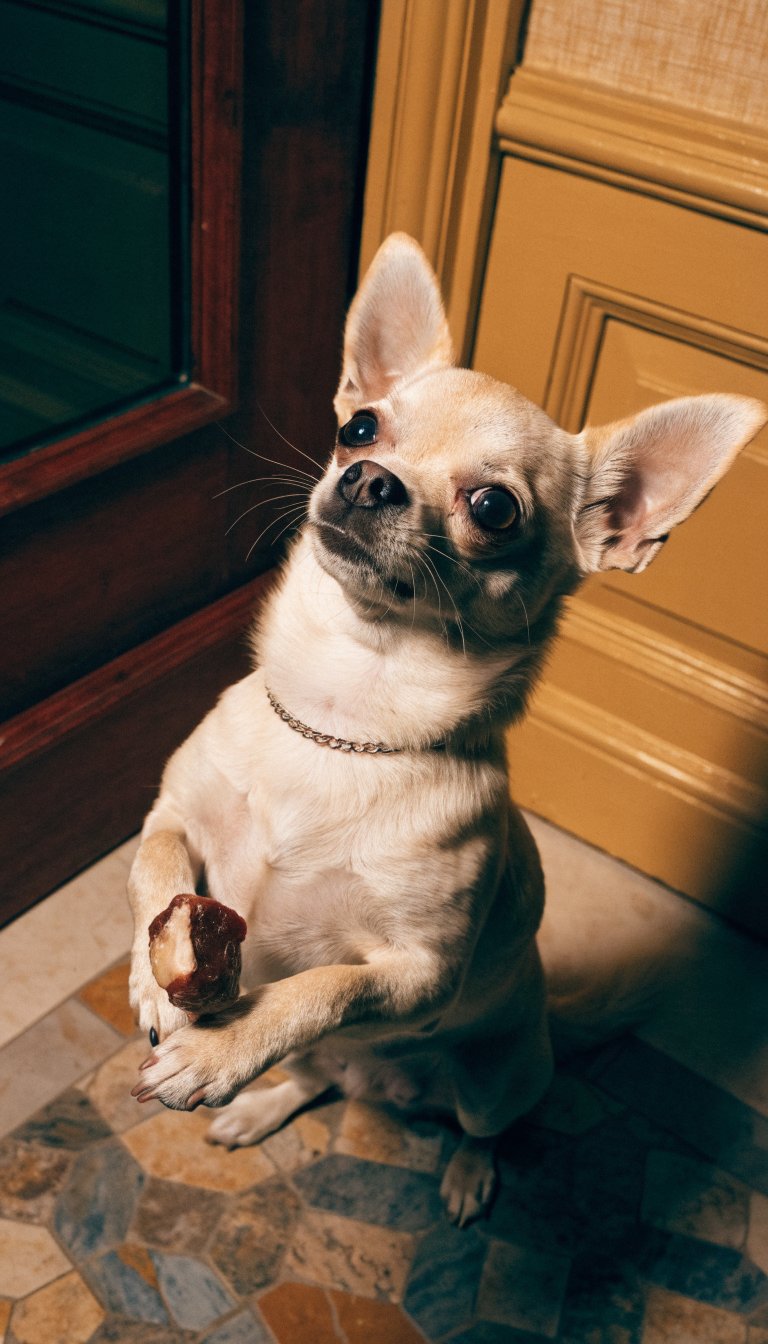
A leash isn’t a punishment—it’s a training tool that gives you control in the moment and a clear boundary for your pup.
- Short leash rule: Keep a dog-sized distance from the door so they can’t scramble into the barking frenzy.
- Controlled greetings: If the doorbell rings, step back, and calmly ask for a sit. Reward when they stay quiet.
- Exit strategy: When visitors arrive, we don’t celebrate with a vacuum of noise. We greet together after a quiet cue is in place.
Environment Tweaks: Make the Door Click, Not the Bark
Small changes to your space can dramatically reduce stress signals.
- Sound dampening: A rug and soft furnishings absorb echoes that can trigger barking. Bonus: your feet won’t slip on hardwood either.
- Window management: If your pup barks at street activity, consider opaque film or a frosted curtain so they can’t spot every passerby.
- Feeding schedule consistency: Hunger can amp up energy. A predictable schedule = calmer mornings and evenings at the door.
Daily Rituals That Keep Barking at Bay

Consistency beats chaos, especially with a Chihuahua who loves to be heard.
- Morning drill: A quick 2-minute practice of “sit, stay, quiet” before the doorbell has a chance to ring.
- Evening wind-down: A short stroll, a cuddle session, then a calm retreat to a quiet space near the door but not at it.
- Quiet reinforcement: After any calm door interaction, offer a high-value treat and lots of praise.
When Barking Still Happens: Troubleshooting Quick Wins
If you’re still pulling your hair out, try these fast fixes before dialing a trainer.
The Doorbell Trigger Is Strong
Here’s a trick: simulate the event at low intensity. Ring the bell yourself, then reward when your pup stays quiet. Gradually increase the challenge as they improve. It’s baby steps, not a sprint.
Overtelling Energy? Try a Reset
If energy spikes “out of nowhere,” give them a 1-minute forced rest with a chew toy nearby. Sometimes a quick reset cures a cascade of barks.
Socializing and Boundaries: Why It Helps Long-Term
Well-socialized dogs tend to bark less because they understand people will come and go, not world-ending invasions. Balance is key: expose them to friendly visitors, different sounds, and various door scenarios. This makes your pup comfortable rather than defensive.
Guest Protocols for Visitors
Ask guests to ignore the dog initially, then reward calm behavior with gentle treats. A predictable pattern helps them read the situation instead of guessing what the barking means.
Common Misconceptions: Debunking Front-Door Drama
Barking isn’t inherently selfish or “just a Chihuahua thing.” It’s a bundle of survival instincts, training gaps, and environment. The goal isn’t to silence your dog—it’s to train them to use bark as an occasional signal, not a constant soundtrack.
FAQ
What’s the fastest way to stop front-door barking?
Short answer: consistency and a clear routine. Start with a quiet cue, practice at the door with a leash, and reward calm behavior. It won’t be overnight, but you’ll see progress in a few days of steady practice.
Can I use punishment to stop barking?
Nope. Punishment tends to backfire with small dogs like Chihuahuas. It can increase anxiety and make the barking worse. Instead, focus on positive reinforcement and redirection.
How long should training sessions last?
Keep sessions brief—5 to 10 minutes, 2–3 times a day. Short, focused practice beats marathon sessions that exhaust you and your pup.
Is it okay to give treats at the door?
Yes, as long as you control when and how they get them. Treats should reinforce quiet, not the excitement of barking. Use high-value rewards to keep them motivated.
Should I involve visitors in the training?
Absolutely. Have guests participate in the process so your dog learns to respond to calm signals around real people. It speeds up generalization and makes the door a non-event.
Conclusion
Chihuahua barking at the front door isn’t a personal vendetta against your mail carrier. It’s a mix of instinct, energy, and habits that can be reshaped with a simple routine. Build clear cues, use a little constraint with a leash, and reward the calm moments like a champ. IMO, the payoff is a calmer entrance and a happier household. FYI, consistency is your best friend here—treat the door like a boring room, not a stage for演 theatrical barking. With patience and a dash of humor, you can turn the front door into a peaceful gateway rather than a battlefront.
About the Author

Hazzatul Khan
Dog Care & Training Expert
Hazzatul Khan is a passionate dog lover and canine care specialist with years of experience in dog training, nutrition, and everyday behavior management. He is dedicated to helping pet parents build happier, healthier, and safer relationships with their furry friends through simple, natural, and science-backed dog care advice.