
Dog Training Treats: Compare Size, Texture, and Calories
Dogs love treats almost as much as they love belly rubs. But not all treats are created equal, especially when you’re juggling size, texture, and calories. Let’s break it down, so your pup stays happy, healthy, and not suspiciously full of twizzler-shaped chew toys.
Size matters: bigger isn’t always better
Big or small, it’s all about portion control. A treat that’s the size of a tennis ball is fun, but it’s a chew toy for a great Dane and a choking hazard for a chihuahua mix. Start with your dog’s usual bite size and adjust.
– For small breeds: think pea- to marble-sized nibbles. You want a quick reward, not a full-on snack.
– For medium to large dogs: a chunk the size of a fingernail or a little larger can work, but monitor how quickly they chew.
– For super chewers: consider puzzle treats or treats that they can break into pieces easily.
Why it matters: a treat should reinforce good behavior, not replace meals or cause digestion drama. FYI, giving oversized treats can backfire and teach your pup to pace themselves around anything edible, which is basically a superpower in a household with a trash can habit.
Texture talk: crunchy, chewy, or soft, which is best?

Texture changes how quickly a dog processes a treat and how often you’ll hear the crunch soundtrack while training.
– Crunchy treats: great for fresh breath, easy to ration, and often longer-lasting. They make a satisfying noise that says “good job” even when your dog isn’t that into your clicker.
– Chewy treats: perfect for dogs who want to satisfy a gnawing urge. They’re super portable and flexible for training sessions.
– Soft, tender treats: fast rewards, ideal for puppies or senior dogs with dental issues. They’re easy on the teeth and can be tucked into a training pocket without crumbling.
How to pick: if you’re teaching a new trick, a softer treat can be a quicker reward. If you’re reinforcing good behavior over a longer session, a crunchier option might keep your dog focused longer. And yes, mix it up. Your dog will notice—and appreciate—the variety.
Calories: the math behind the treat bag
Treats aren’t dessert; they’re training fuel. If you snack at the same pace you reward, you’ll end up with a pudgy pup. Read labels and do quick math.
– Track daily calories: your dog’s total daily calories should account for food, treats, and exercise.
– Calorie-per-treat: choose treats with lower calories per piece for frequent rewards.
– Training goals vs. treat density: if you’re planning a long session, opt for low-calorie treats or use parts of a higher-density treat split into small pieces.
A simple rule: the more frequent the reward, the leaner the treat should be. Your wallet and waistline’ll thank you.
Which treats shine for specific goals?
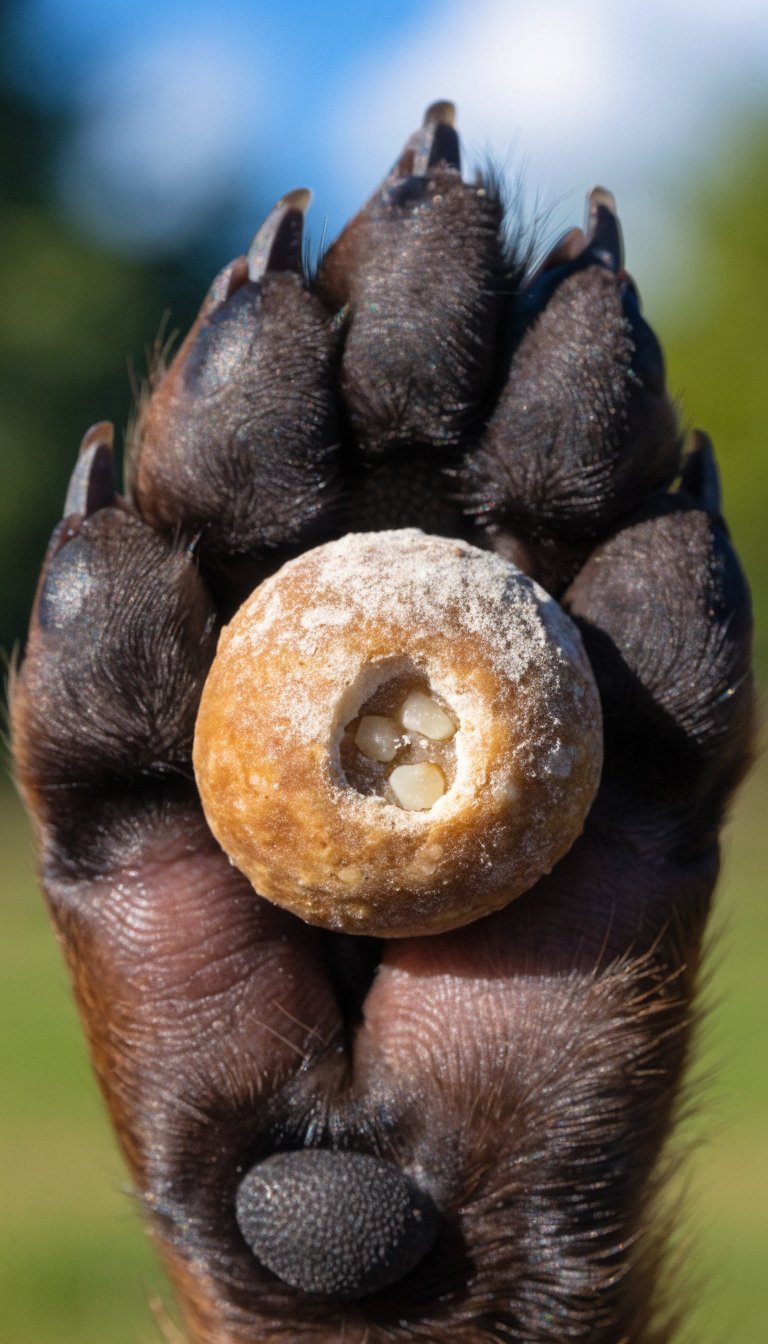
Let’s map goals to treats, so you don’t bring a snow cone to a frisbee fight.
– For training sessions: tiny, low-calorie, crunchy bites work wonders. They don’t derail the focus and you can dole them out without guilt.
– For dental health: look for treats that claim to reduce plaque or have a textured surface that promotes chewing. They won’t replace brushing, but they help.
– For motivation in challenging tasks: smelly, high-value treats like freeze-dried meats or cheese-flavored options can reignite enthusiasm when the going gets tough.
– For seniors: soft treats with easier chewing and easily digestible ingredients keep training positive without stressing the teeth or gut.
Pro-tip: label high-value treats with a star sticker in your brain. You’ll save them for big wins instead of using them for every little sit.
How to read a dog treat label like a pro
The science vibe meets snack reality. Here’s a quick cheat sheet for decoding those bags.
– Ingredient order: the first few ingredients are the big players. Look for real meat or meat byproducts near the top, not fillers.
– Guaranteed analysis: check crude protein, fat, and fiber. A higher protein content isn’t always better, but it’s a solid indicator of quality.
– Calorie count per treat: multiply by how many you’ll give in a session to estimate calories.
– Additives and preservatives: fewer synthetic stuff means fewer potential doggy tummy troubles.
If you see “natural flavors” or “indentified meat meals” you’re in the right ballpark, but beware of vague terms. If it sounds like a mystery, your pup’s GI tract might be skeptical too.
FAQ
Q: How often should I give treats during training?
Short answer: as often as needed to reinforce good behavior, but keep total daily calories in mind. If you train twice a day, aim for 10-15% of daily calories from treats and supplement with praise, play, or quick walks as rewards. FYI, variety helps—change up the treat type so your dog stays interested.
Q: Are homemade treats a good idea?
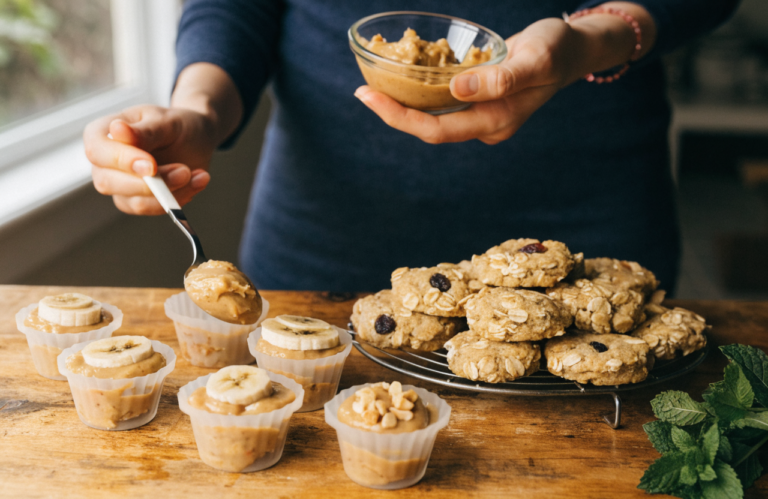
Totally. Homemade treats give you control over ingredients and calories. Bake simple, dog-safe recipes like small bite-sized portions of cooked chicken, sweet potato chews, or frozen yogurt drops. Just avoid onions, garlic, grapes, raisins, and xylitol. Also, portion control still applies.
Q: My dog won’t take low-value treats after a high-value one?
Sounds about right. Start with a high-value treat, then step down to something milder after a few sessions so your dog learns the intermediate reward still pays off. Keep training short and end on a high note. No one likes a soft meltdown mid-session.
Q: Do dental treats really help with teeth cleaning?
They can help reduce plaque and promote chewing, but they aren’t a substitute for brushing or professional dental care. Look for products approved by veterinary dental associations, and pair with regular brushing for best results.
Q: Can I mix textures in the same training session?
Yes. Mixing textures can keep your dog engaged and curious. Start with a crunchy reward, then offer a softer treat as the session progresses, especially if you’re training a new trick or a shy dog. The key is to stay consistent with your cues and praise.
Putting it all together: a simple plan you can use
– Know your dog: size, chewing style, and dental health matter.
– Pick a variety: a mix of small crunchy, soft, and chewy treats keeps training dynamic.
– Do quick math: tally calories across meals and treats.
– Use high-value treats for milestones and lower-value for routine tasks.
– Read labels carefully and prefer real ingredients over vague promises.
Consistency beats chaos. If you can keep treats aligned with your training goals, your dog will stay engaged, your kitchen won’t turn into a treat fortress, and you’ll both feel like training champions.
Conclusion
Treats aren’t just snacks; they’re training tools that deserve some thought. By considering size, texture, and calories, you can tailor rewards that boost behavior without tipping the scales. So next time you head to the pet store, ask yourself: is this treat the right fit for today’s session, or should I save it for a bigger win? IMO, variety and moderation are your best pals in this chewy adventure. Your pup will thank you with a wag—and maybe an extra high-five or two.
About the Author

Hazzatul Khan
Dog Care & Training Expert
Hazzatul Khan is a passionate dog lover and canine care specialist with years of experience in dog training, nutrition, and everyday behavior management. He is dedicated to helping pet parents build happier, healthier, and safer relationships with their furry friends through simple, natural, and science-backed dog care advice.