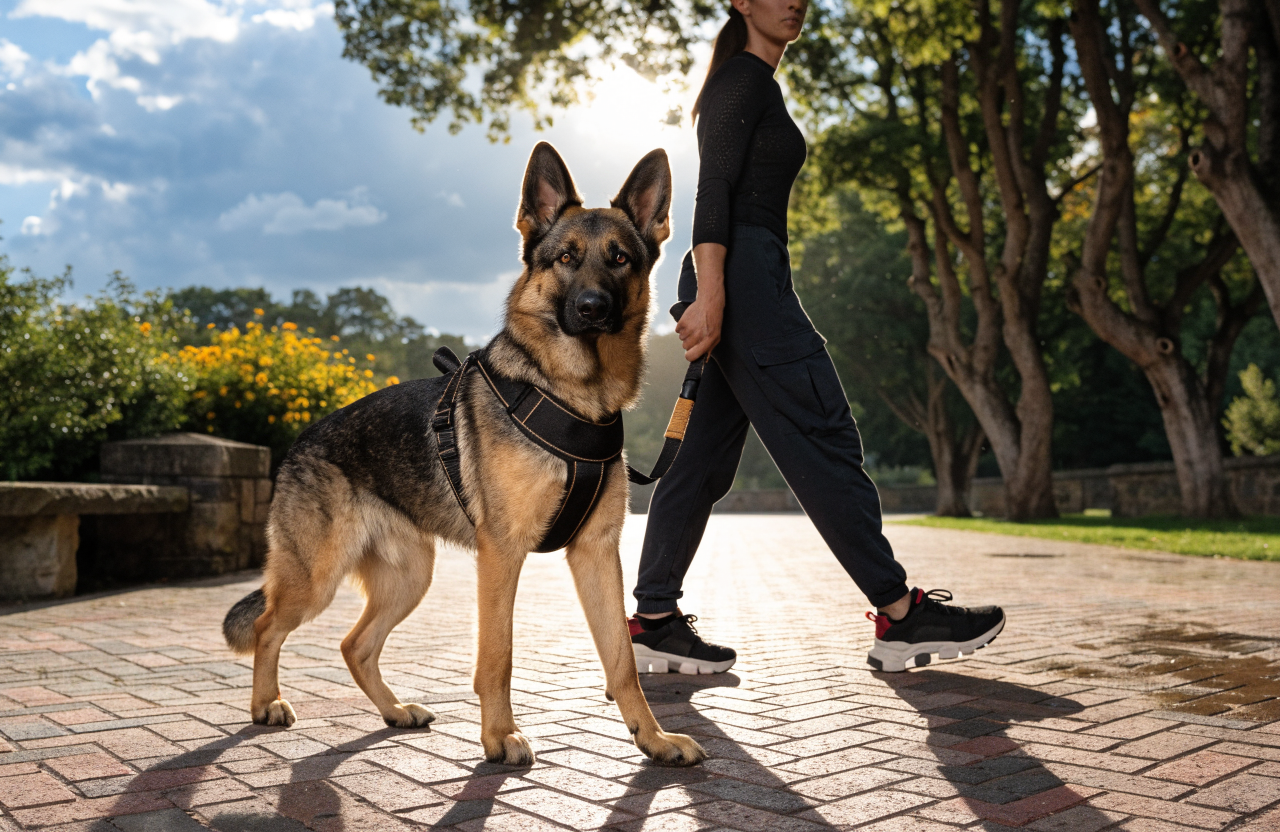
German Shepherd Leash Training: 5 Steps Toward Less Pulling
Ready to walk your dog without turning into a tug of war champion? Let’s ditch the leash drama and get your pup moving with confidence.
These steps are simple, practical, and actually work when you stay consistent – no magic tricks required. You’ll see calmer walks and a happier pup in no time.
Stick with me and you’ll unlock smoother strolls, plus a better bond with your furry friend. Let’s dive in and get your leash game on point.
1. Set the Stage With Clear Cives and Boundaries

Before you even clip on a leash, you need a clear plan. German Shepherds respond to structure, so lay out simple cues and consistent boundaries from day one.
Having a reliable plan reduces chaos and gives your dog a map to follow. FYI, consistency beats intensity every time when it comes to leash manners.
Key Points
- Choose a simple cue like “Walk” to start and “Wait” to stop
- Practice in short, focused sessions (5-10 minutes)
- Use a designated calm location first, then expand outward
When you establish clear cues and routines, your dog learns what to expect and pulls less because they’re not guessing what comes next.
2. Invest in the Right Gear for Smart Control
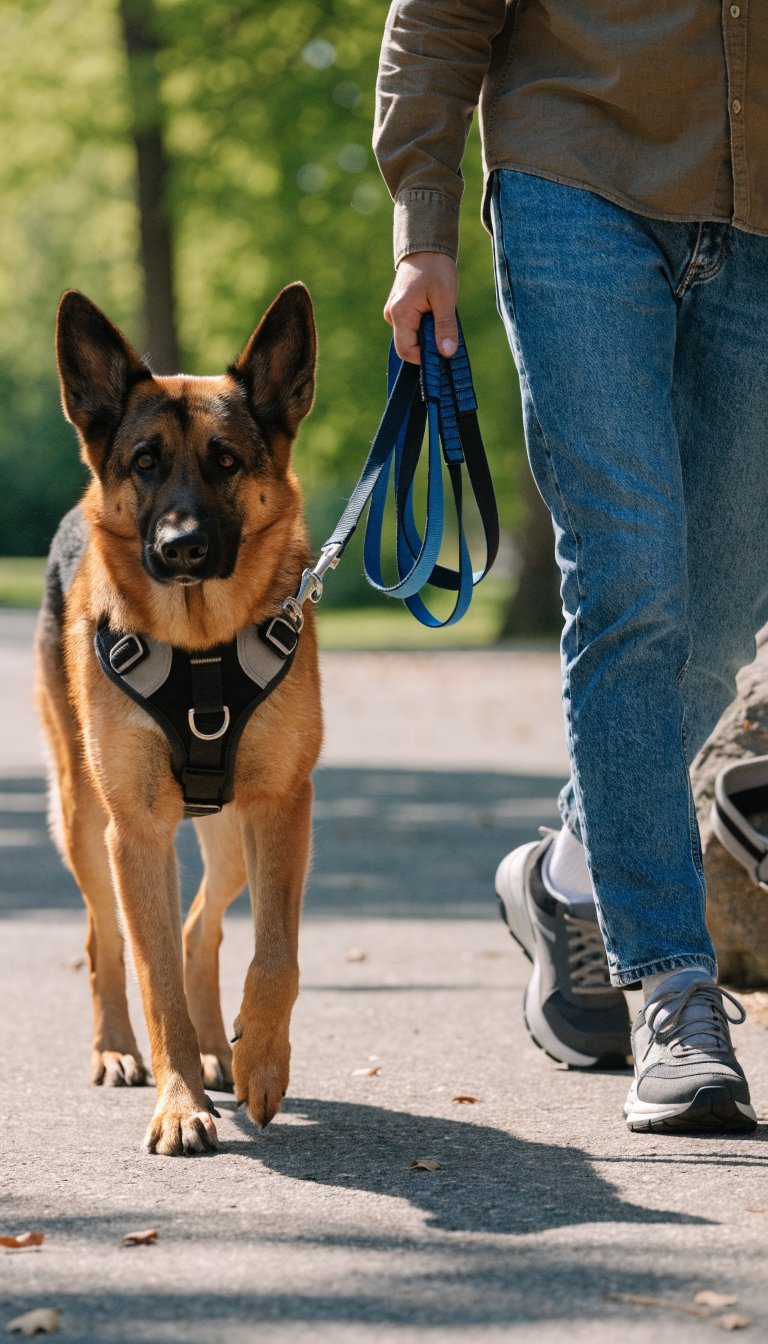
The right equipment can make or break your training effort. A properly fitted harness or head halter, plus a leash with good grip, sets you up for success without turning walks into a tug fight.
Gear is not a substitute for training, but it does reduce distractions and gives you more control when distractions spike. Trust me, the right setup changes your daily strolls dramatically.
Gear Tips
- Get a well-fitted front-clip harness if your dog pulls
- Consider a head halter for strong pullers, used carefully
- Keep a lightweight leash (4-6 feet) for quick corrections and proximity
With the right gear in place, you’ll feel more in control and your dog will learn to focus on you rather than every passing squirrel.
3. Master the Healing Stop and Reset (The Go-To Exit Strategy)

This is the backbone of stopping pulling in its tracks. The walking stop and reset technique teaches your dog that pulling ends the forward motion, and calm walking resumes when they relax.
Short, decisive actions work best. You’ll develop a rhythm where a little tension means stop, and a relaxed stance means go again. Seriously, consistency here compounds fast.
How to Do It
- When your dog pulls, immediately stop moving
- Hold the leash gently but firmly, make eye contact
- Take a step back and ask for a calm posture, then resume walking
The benefit is a dog that learns to wait for your cue to proceed, making every walk calmer and more predictable.
4. Build Loose-Leash Habits With Short, Frequent Sessions
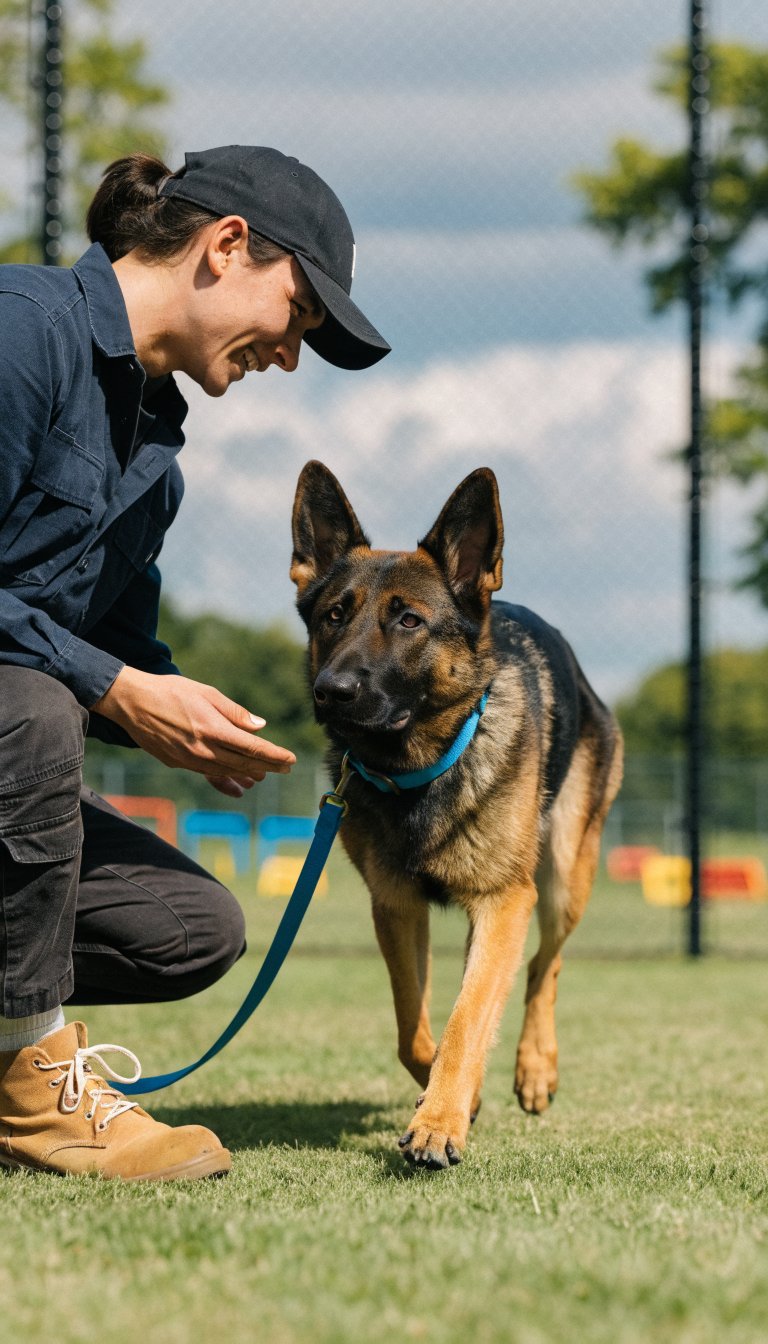
Loose leash walking is a skill like any other. Short, high-frequency sessions help your dog learn the art of walking with slack instead of a tight leash.
Keep sessions positive and interactive, mixing cues, rewards, and gentle corrections as needed. IMO, steady practice beats long training marathons that burn both of you out.
Practice Plan
- Begin indoors or in a quiet yard with a few commands
- Gradually add mild distractions and longer distances
- Reward heavily for staying by your side with a loose leash
As your dog gets the hang of it, you’ll notice fewer lunges toward hazards and more focus on your movements and pace.
5. Layer Real-Life Scenarios and Progressive Challenges

From the park to the sidewalk cafe, real-life environments test your training. Start with controlled settings and progressively introduce more challenging situations to keep your dog progressing.
Practice makes reliable. By layering challenges, you build a dog who stays calm and responsive in the moments that previously caused chaos. FYI, progress sometimes looks small, but it adds up fast.
Scenario Roadmap
- Begin with quiet streets, then add a park bench area with people passing
- Introduce gentle distractions like bikes or joggers at a distance
- Finish with a route that includes cars, sounds, and family traffic
The end result is a confident shepherd who can handle daily life without pulling you into every adventure.
With these five steps, you’ll transform walks from a tug of war into a cooperative, enjoyable bonding time. Remember to stay consistent, celebrate small wins, and keep the vibe light and fun for your shepherd.
Now go grab that leash, lace up your patience, and start practicing tonight. You’ve got this, and your German Shepherd will thank you with calmer, happier strolls.
About the Author

Hazzatul Khan
Dog Care & Training Expert
Hazzatul Khan is a passionate dog lover and canine care specialist with years of experience in dog training, nutrition, and everyday behavior management. He is dedicated to helping pet parents build happier, healthier, and safer relationships with their furry friends through simple, natural, and science-backed dog care advice.