
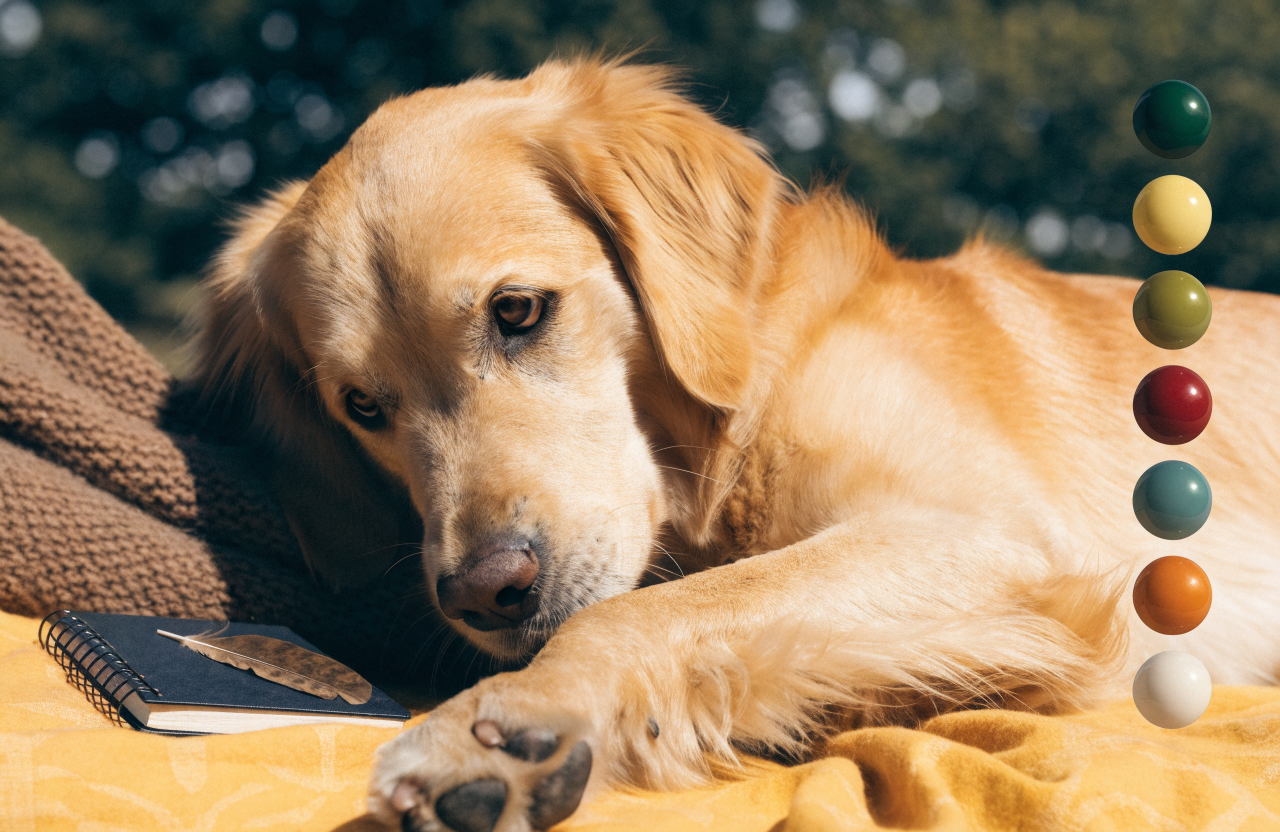
Dog Vomit Color Guide: What Different Colors and Textures May Mean
Ever looked at your dog and wondered what those messy masterpieces are telling you?
These color clues can hint at tummy trouble, dietary changes, or just a quirky gut reaction to a new treat. No panic required — we’ll decode the mystery together.
Stick with me and you’ll know when to worry, when to clean up, and how to keep pups happy after a rocky stomach.
1. Bright Yellow Pudding: Happy Belly or Harsh Remedy
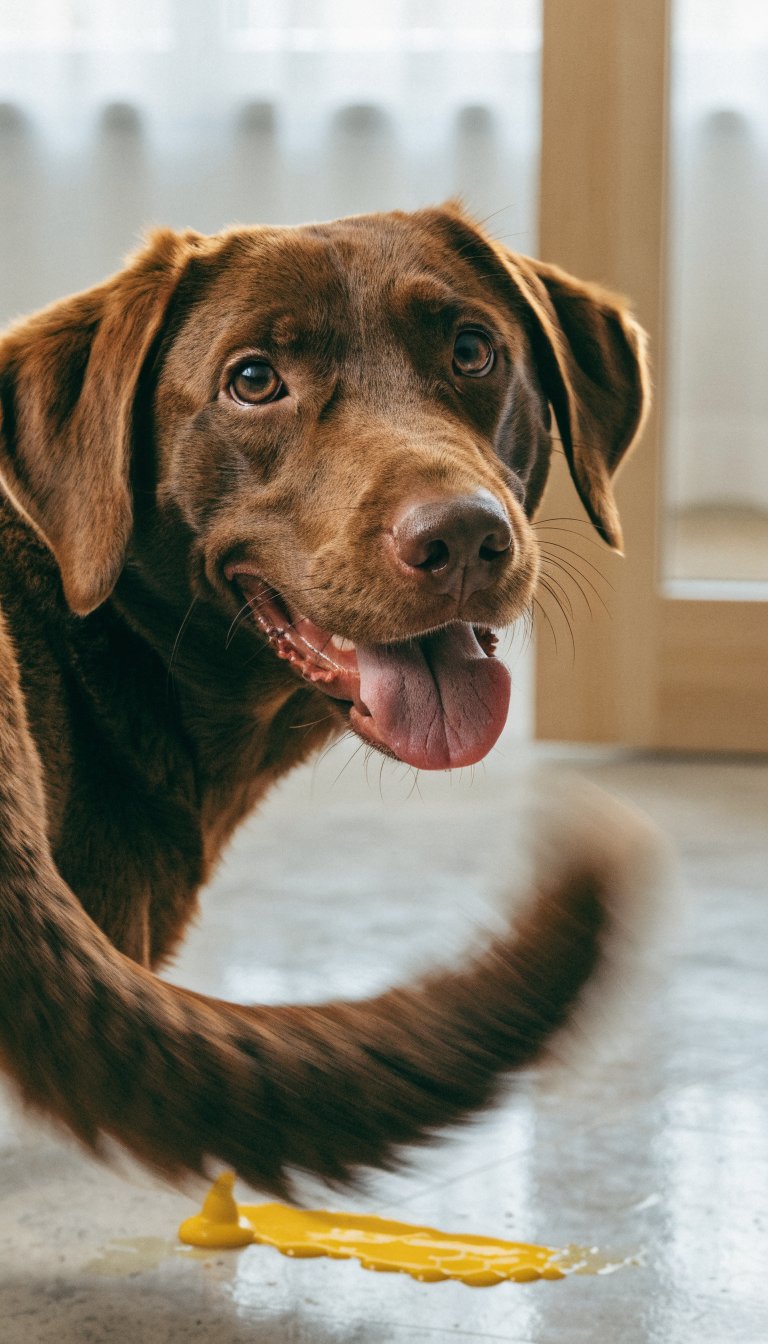
Bright yellow, almost mustard-like poop or vomit can pop up after medications or new foods. It may mean bile is flagging and your dog’s stomach is trying to flush things out.
Why it matters: understanding this color helps you decide if you should monitor at home or call the vet. The goal is to keep that stomach calm and get the pup back to wagging in no time.
Key Points
- Typically indicates bile from the small intestine
- Common after overnight fasting or new foods
- Watch for persistent vomiting with other symptoms
When to take action: if the yellow color lasts more than 24 hours, or you see lethargy, dehydration, or repeated vomiting, reach out to your vet. FYI, hydration is usually the first line of defense.
2. Brown and Spongy or Sludgy Texture: Normal but Watchful
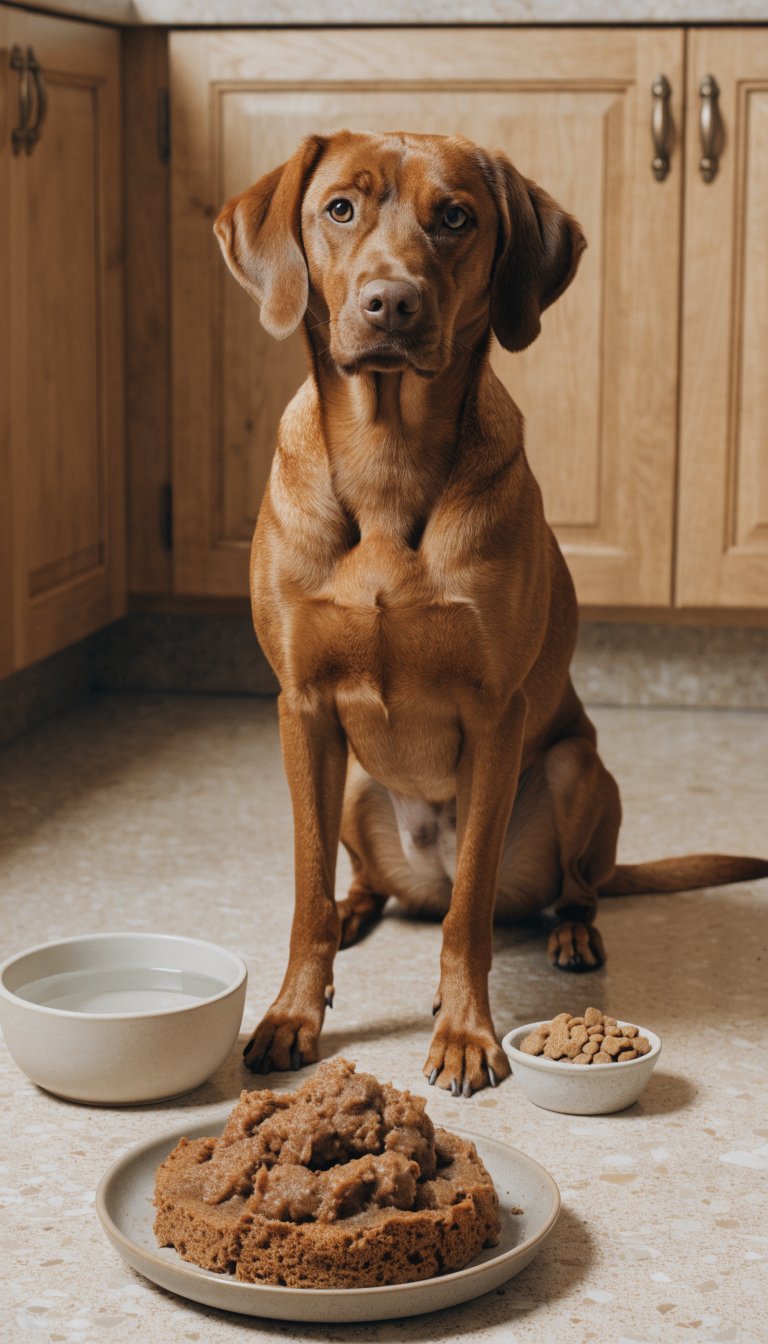
Brown on its own isn’t alarming, but texture matters. A soft, sludgy, or cake-like consistency can signal that digestion is processing well or that there’s mild disruption from a new food.
Why it matters: it helps you decide if you should keep the current routine or tweak just a bit — not a medical red flag, but a nudge to stay observant.
Tips
- Offer a bland diet for 12 to 24 hours if appetite remains steady
- Gradually reintroduce the usual food over several days
- Include plenty of fresh water and small, frequent meals
Benefit: a stable brown texture usually means the gut is fine, and you can resume normal feeding ASAP. Trust me, your dog will thank you with a tail wag.
3. Orange or Tangerine Specks: Possible Food Dye or Beginnings of Trouble
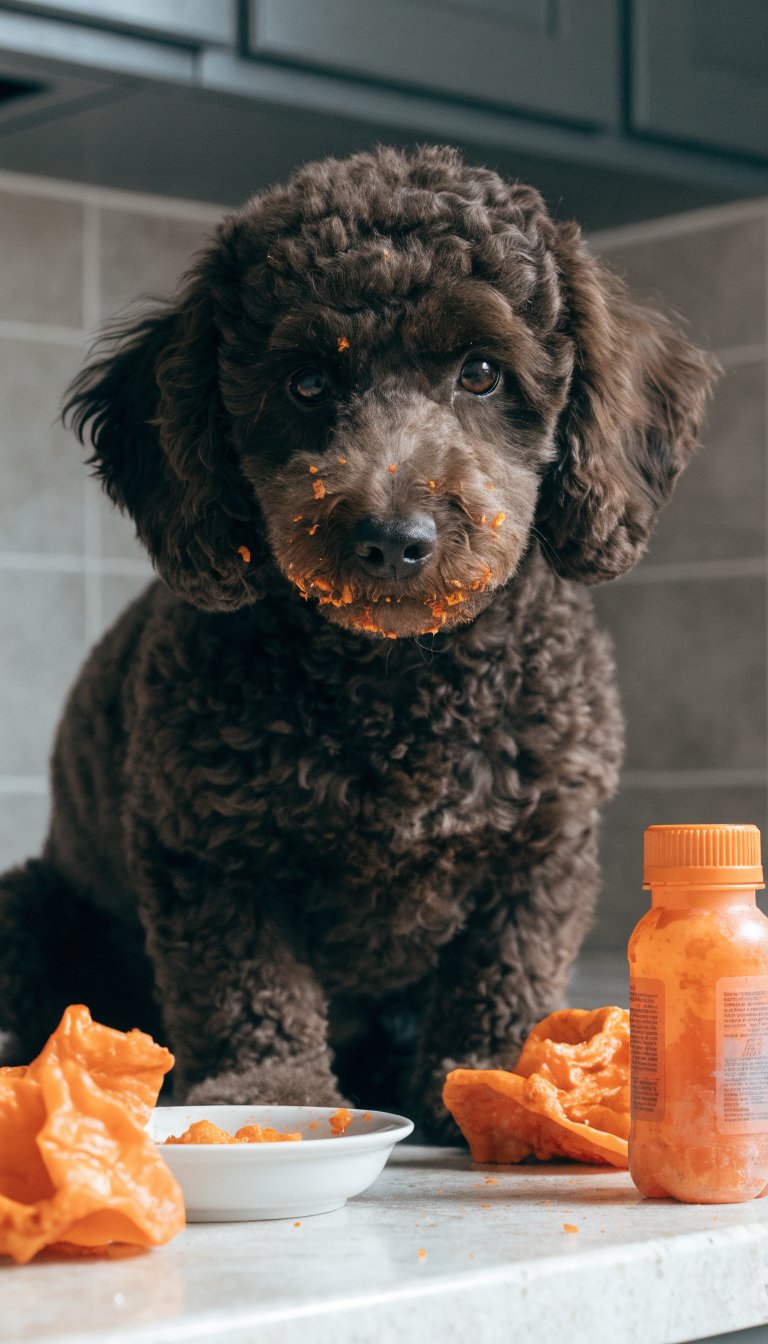
Those bright orange flecks or an overall orange hue can come from pigments in certain foods or treats, but they can also indicate GI irritation if paired with other symptoms.
Why it matters: spotting orange can clue you into whether you recently introduced a new supplement, flavoring, or toy that might be upsetting the stomach.
Key Points
- Check recent meals and treats for artificial colors
- Consider potential irritation from fatty foods
- Pair with other symptoms like vomiting frequency or appetite loss
When to call the vet: if orange color appears along with vomiting that won’t quit, behavioral changes, or signs of pain. FYI, keep an eye on hydration and energy levels.
4. Greenish or Yellow-Green: Bile Party or Bowel Benders
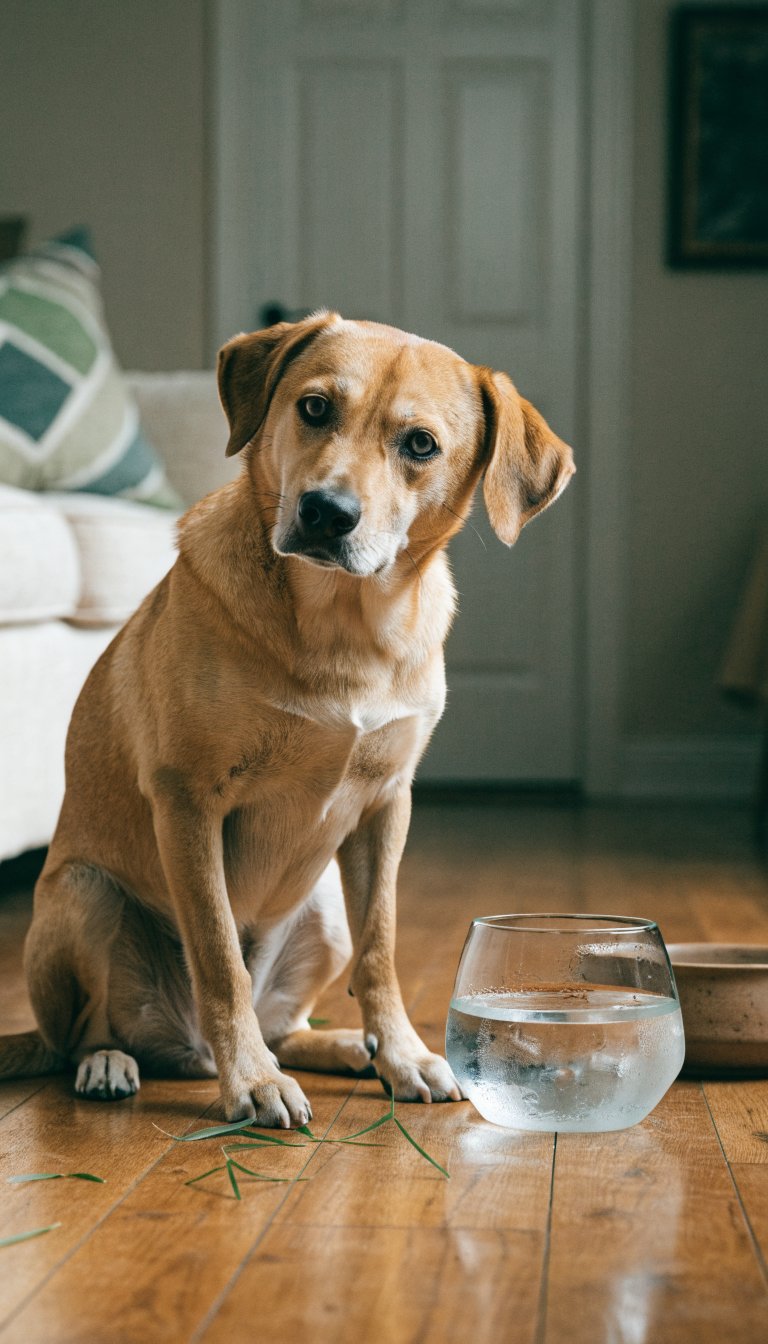
Greenish hues pop up when there is bile and digestion is moving quickly through the intestines. It can also show up after the intake of grass or plant material.
Why it matters: this color often signals the gut is irritated but not necessarily in crisis. It’s a good flag to monitor for changes and adjust feeding accordingly.
Booster Tips
- Limit access to grass and chew items that could upset the stomach
- Offer small, frequent meals and hydrating options
- Observe for lethargy or dehydration
Benefit: with careful feeding adjustments you can soothe the gut and reduce further episodes. Seriously, patience here pays off.
5. White, Clear, or Very Light Color: Hydration Rescue or Empty Stomach Alert
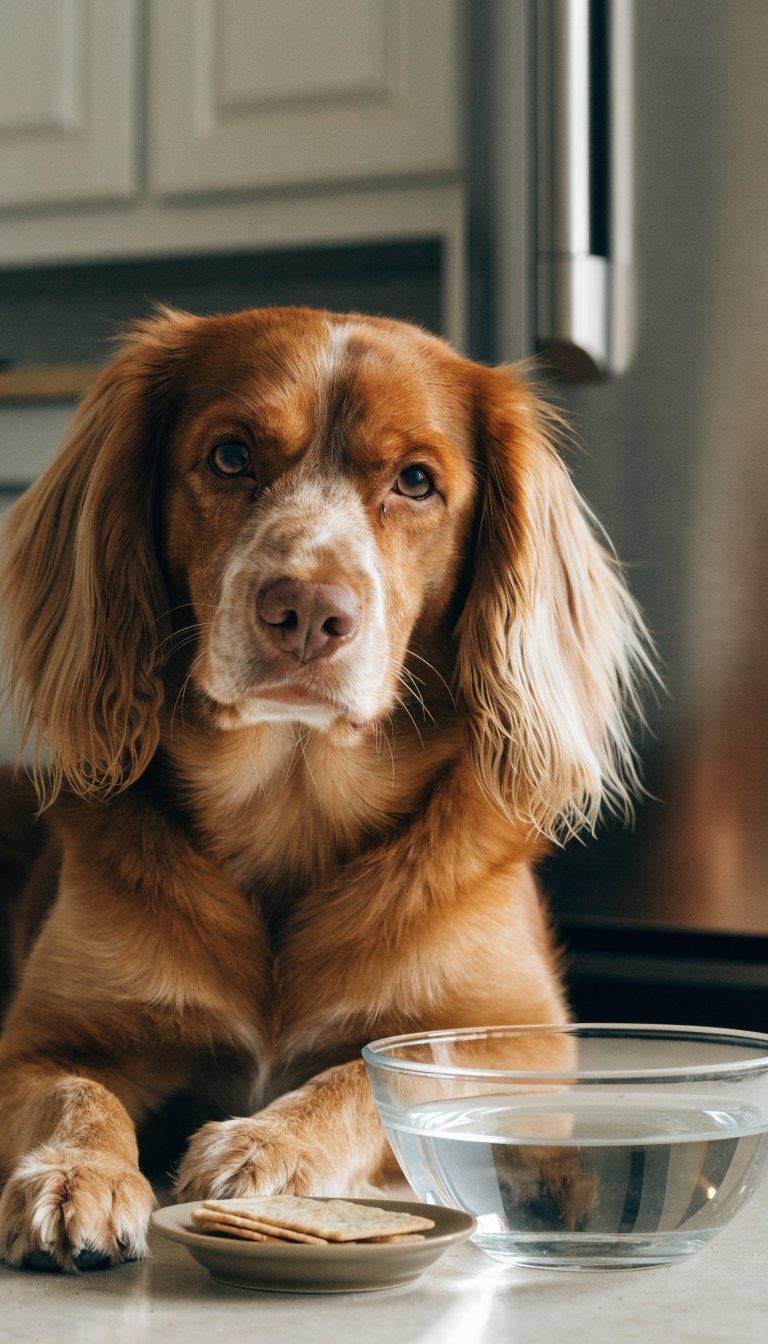
White or colorless vomit often means the stomach is empty or there’s a need for hydration. Clear liquid sips can be a sign the dog is trying to flush out irritants.
Why it matters: this is a cue to rehydrate slowly and assess whether your dog can keep fluids down without distress.
Practice Pointers
- Offer small amounts of water or an electrolyte solution designed for dogs
- Avoid large water gulps right after vomiting
- Reintroduce food gradually once vomiting stops
End note: white or clear presentations often resolve quickly with gentle care and hydration. FYI, if vomiting recurs or lasts beyond a day, contact your veterinarian for guidance.
Conclusion: You’ve got the color map now, and that means you can react calmly and confidently. By paying attention to texture, color, and accompanying symptoms, you’ll know when to treat at home and when to seek help. You’ve got this — your pup relies on you, and your smarter-than-you-think instincts will save the day.
About the Author

Hazzatul Khan
Dog Care & Training Expert
Hazzatul Khan is a passionate dog lover and canine care specialist with years of experience in dog training, nutrition, and everyday behavior management. He is dedicated to helping pet parents build happier, healthier, and safer relationships with their furry friends through simple, natural, and science-backed dog care advice.


