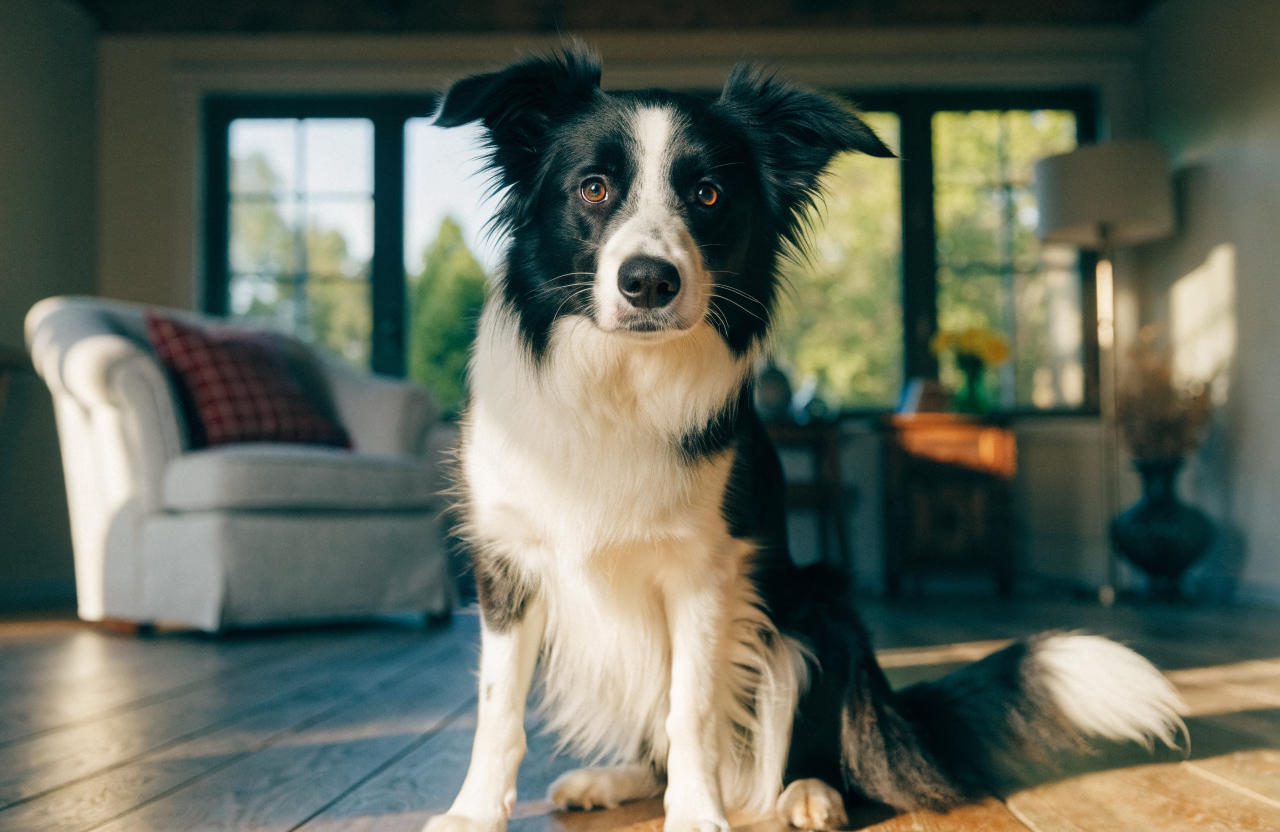
7 Things Your Dog Does That Actually Mean Something
Ever wonder what your pup is really saying with each wag or tilt of the head? You’re not alone, and yes, there’s usually a clear message behind the routine cuteness.
Decoding these behaviors can save you nap time, energy, and maybe a few chew toy emergencies. It also helps you build a stronger bond with your best roommate who never pays rent but brings endless joy.
Stick with me and I’ll break down the cues, offer friendly tips, and show you how to respond in ways that make both of you happier. Let’s dive in and start listening to those four legs of wisdom.
1. The Tail Wag That Speaks Volumes
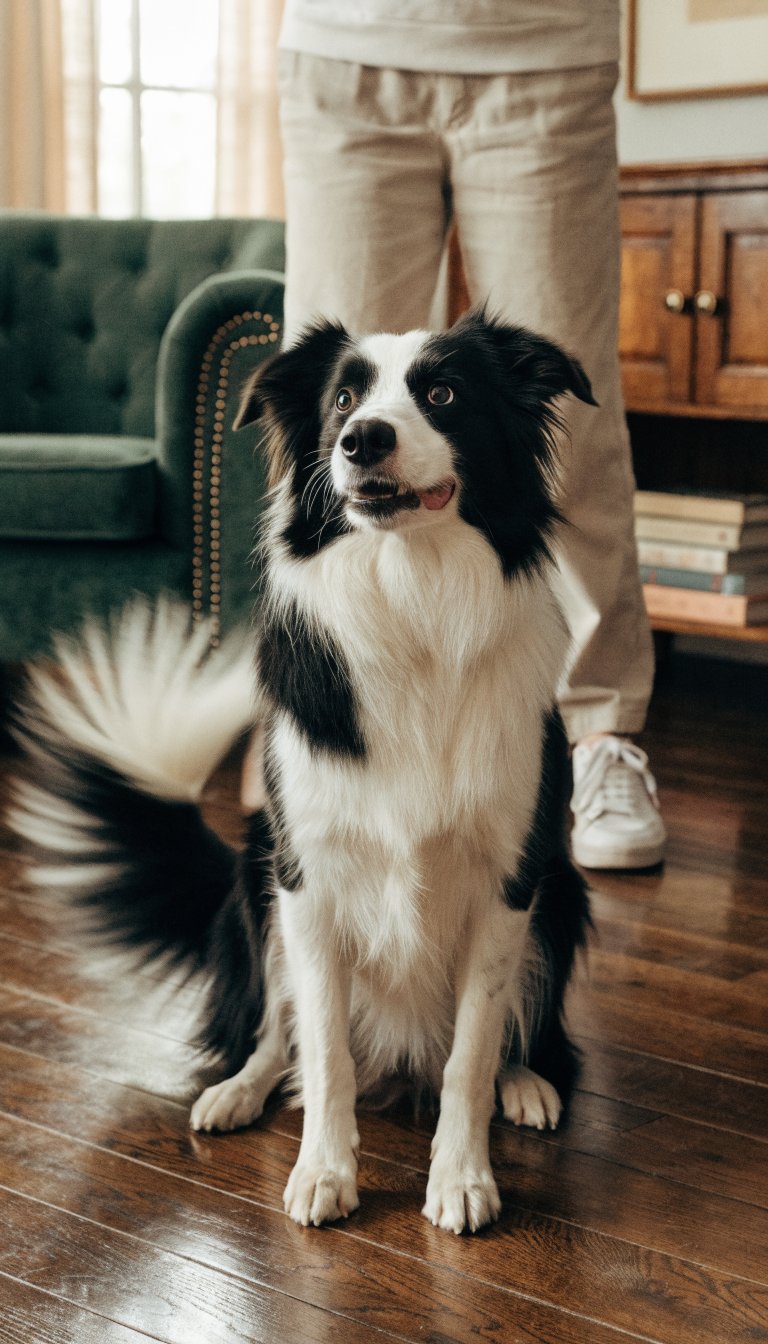
Your dog’s tail is basically a weather vane for mood. It isn’t just a decoration on the backside — it’s a practical signal system that updates in real time.
Wag speed and direction can reveal excitement, uncertainty, or even how engaged they feel with you in the moment. When you tune in, you can decide whether to invite play, offer comfort, or set a boundary with a quick, calm response.
Key Signals:
- Fast broad wag = high excitement, often about you or a favorite toy
- Slow wag with a slightly tucked tail = cautious or unsure
- Wag while facing away = possible sleepiness or disinterest that moment
Read the full tail language mix like a status update from your buddy. Benefits include sharper reading of their emotional state and better timing for training or cuddles.
2. The Stare That Commands Your Attention

Dogs use eye contact the way humans use a raised eyebrow. A focused gaze can be a request, a warning, or simply a charming demand for a snack.
Mastering how to respond to stare cues helps prevent misunderstandings and makes training feel like a team sport rather than a tug of war.
How to Interpret:
- Soft gaze with relaxed body = attention seeking or a request for something you promised
- Intense stare with stiff body = potential warning sign
- A glance then look away = momentary interest, not an all out demand
Tip: pair eye contact with a clear cue like sit or paw to reinforce good behavior. You’ll reduce confusion and boost confidence in your dog’s ability to follow directions.
3. The Sigh That Says You’ve Been Missing the Mark

Sighs in dogs are not dramatic drama queen moves. They usually indicate fatigue, relief, or a little frustration at the current situation.
Interpreting a sigh correctly can save you from overreacting or missing a cue that your pup wants a break or a change in activity level.
What to Watch For:
- Sigh after a workout or a long walk = satisfied or tired, time to rest
- Sigh before settling down = ready for a calm routine or bedtime
- Repeated sighs in a busy environment = overwhelmed, perhaps move to a quieter space
Benefits include better pacing of walks and play sessions, more restful nights for both of you, and less stress during crowded events or new spaces.
4. The Zoomies Moment When Energy Explodes
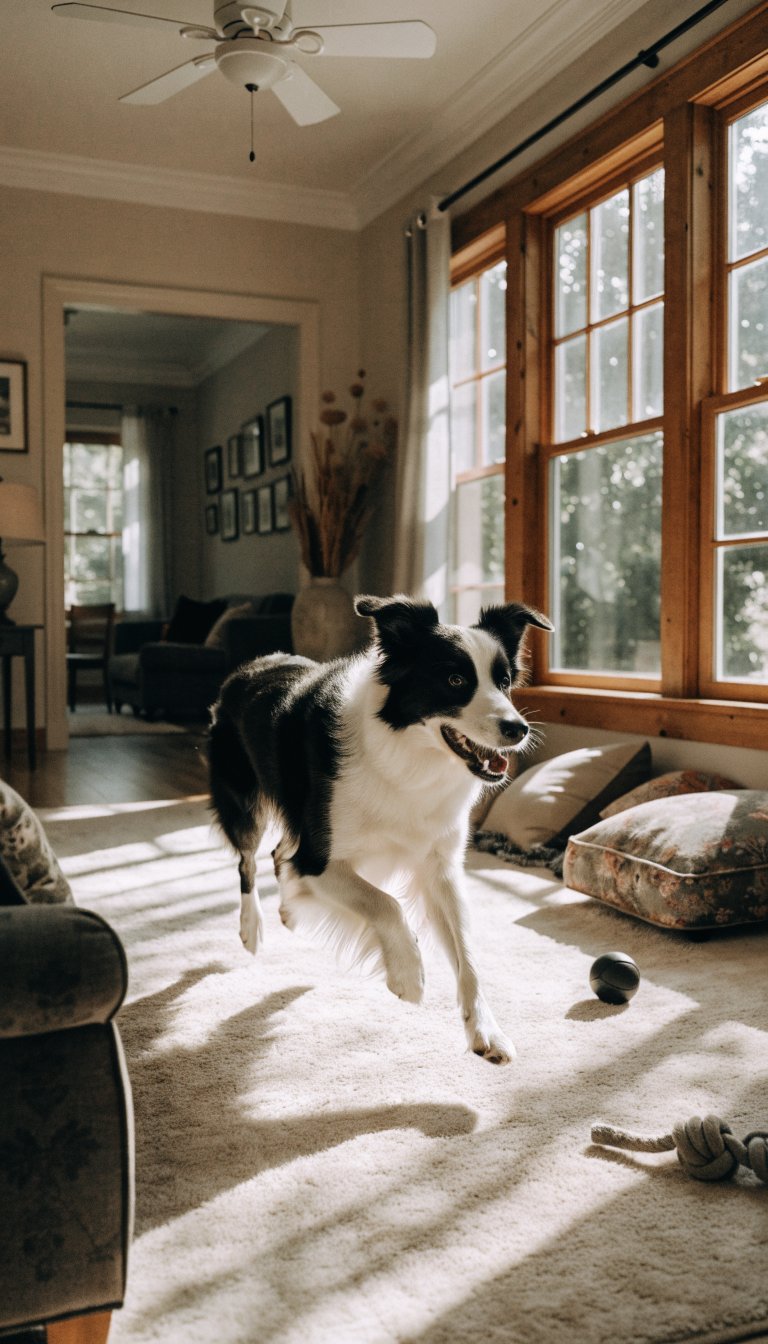
Yes, the classic zoomies are real and totally innocent most of the time. They’re your dog’s burst of pent up energy that needs a healthy outlet.
Handling zoomies well means you give them safe, structured opportunities to stretch their legs and burn off energy without chaos erupting in your living room.
Smart Moves During Zoomies:
- Offer a quick play session with a ball or tug toy to channel energy
- Move furniture or create a safe obstacle course for a focused sprint
- Afterward, guide them to a calm activity like a puzzle toy or a chew
When managed properly, zoomies become a beloved sign that they’re healthy and ready for some cozy wind-down time with you. Bonus: you’ll sleep better knowing they’re thriving.
5. The Paws Up That Means Please and Thank You

When your dog plants their paws on you or on an object you’re using, they’re essentially signaling a polite request in their own furry way. This behavior often leads to better cooperation in daily routines.
Responding with predictable patterns builds trust and minimizes the chance of accidental nicks or jumps during busy moments.
Practical Responses:
- Offer a deliberate, reward-based cue like sit or stay before granting a treat
- Redirect to a designated chew toy instead of hands
- Keep sessions short and joyful to reinforce positive feelings
Love how this leads to calmer greetings and fewer accidental bumps in doorways, right? It also makes vet visits less chaotic because you already have a cooperative routine in place.
6. The Head Tilt as a Curious Clipboard

That adorable head tilt is your dog’s way of trying to understand something new or puzzling in their environment. It also shows genuine curiosity and strong listening skills toward you.
Encouraging and rewarding the head tilt can reinforce attention to you and promote better communication during training sessions.
Tips to Leverage It:
- Introduce new words or commands and reward quick, enthusiastic tilts
- Use props or toys to stimulate curiosity and better eye contact
- Pair the tilt with a positive treat so they associate listening with joy
Result: your dog stays engaged, learning accelerates, and the bond deepens as you share those little breakthroughs together.
7. The Classic Nudge That Says Move Over, I’m Here
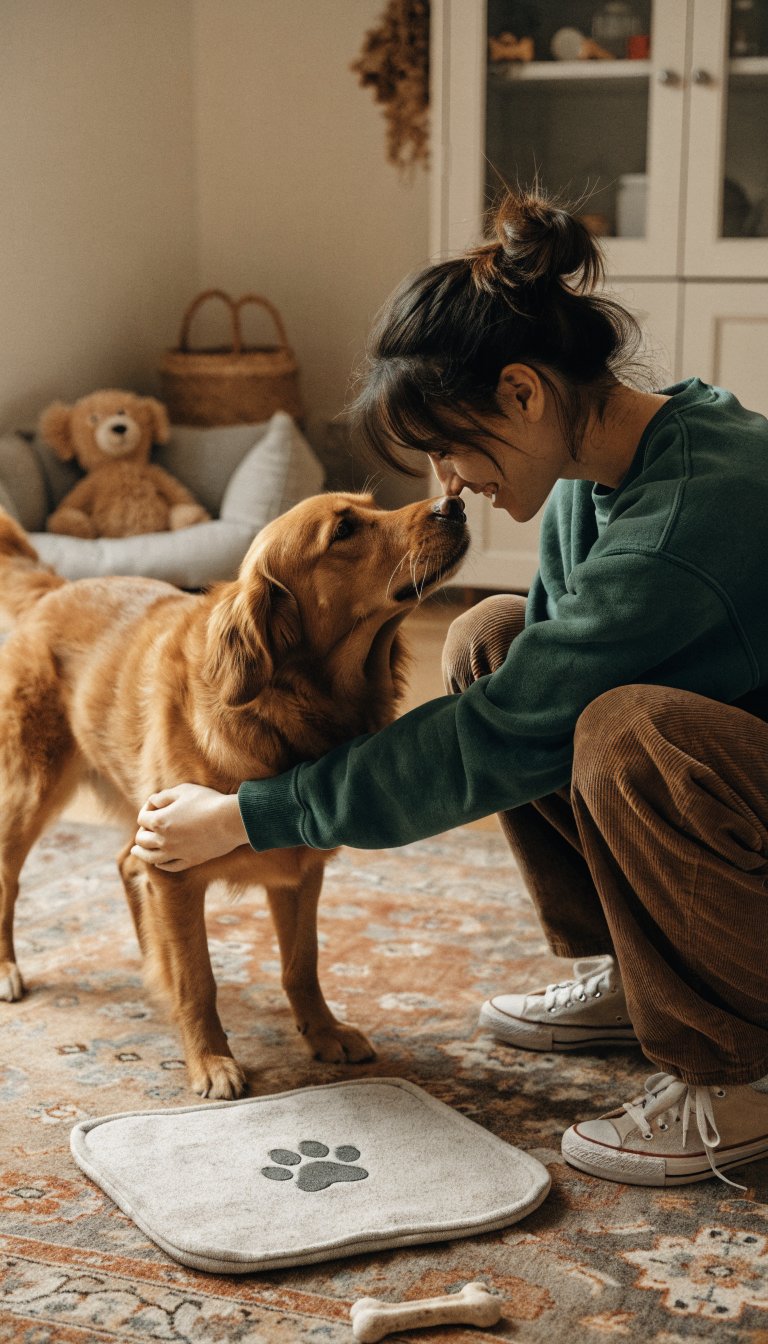
A gentle nudge with the nose or body is your dog’s friendly push to change your focus, often toward food, a toy, or their preferred lap position.
Rather than ignoring the nudge, acknowledge it with a quick command and a redirect to a designated activity. You’ll reduce frustration for both of you and teach them to communicate more effectively.
To Do Right Now:
- Guide them toward a target behavior like sit or lay down with a treat
- Redirect to a cozy bed or learning mat if they want your space
- Celebrate with affectionate praise when they follow the cue
By honoring this gentle push, you turn it into a cooperative moment and avoid the common tug of war over attention or space.
There you have it — seven clear signals your dog is sending every day. FYI, the more you tune in, the more you’ll discover about their personality and your own patterns as a pet parent. Trust me, this little detective work pays off in calmer days, happier moments, and a stronger bond that lasts a lifetime.
So grab a cup of coffee, head outside for a few minutes of focused observation, and start decoding the messages your dog shares with those expressive eyes and wagging tail. You’ve got this, and your dog is going to love the new level of connection you’re building together.
Ready to put these insights into action? Start by choosing one cue a day to respond to with intention, then gradually add more as you both grow confident. The result will be a smoother routine, fewer misunderstandings, and a whole lot more tail wagging and happy sighs.
About the Author

Hazzatul Khan
Dog Care & Training Expert
Hazzatul Khan is a passionate dog lover and canine care specialist with years of experience in dog training, nutrition, and everyday behavior management. He is dedicated to helping pet parents build happier, healthier, and safer relationships with their furry friends through simple, natural, and science-backed dog care advice.