Labrador Jumping: Teach Polite Greetings in Small Steps
The moment you open the door and your Labrador eyes you like you’ve just guaranteed a lifetime supply of squeaky toys, you know you’re in for a ride. Jumping is cute… until it isn’t. Let’s turn those enthusiastic leaps into polite greetings, one small step at a time. FYI, this isn’t about dampening a Labradoodle-sized spirit—it’s about teaching manners that keep everyone safe and smiling.
Why Labradors Jump: the instinct, the joy, the nose boops
Labradors are built for friendly chaos. Their instincts say: greet with a wag, involve the whole body, and maybe steal a treat while you’re at it. Jumping happens because they’re excited, want attention, or simply misread your greeting as a rough-and-tumble invitation. The good news? You can redirect that energy toward a polite, calm greeting that still feels like a party.
– They’re social butterflies with powerful sniffers.
– They equate your arrival with playtime, snacks, and lots of pats.
– Jumping often signals a communication gap, not malice.
First Teach: The Sit-Stay-Gentle Greeting
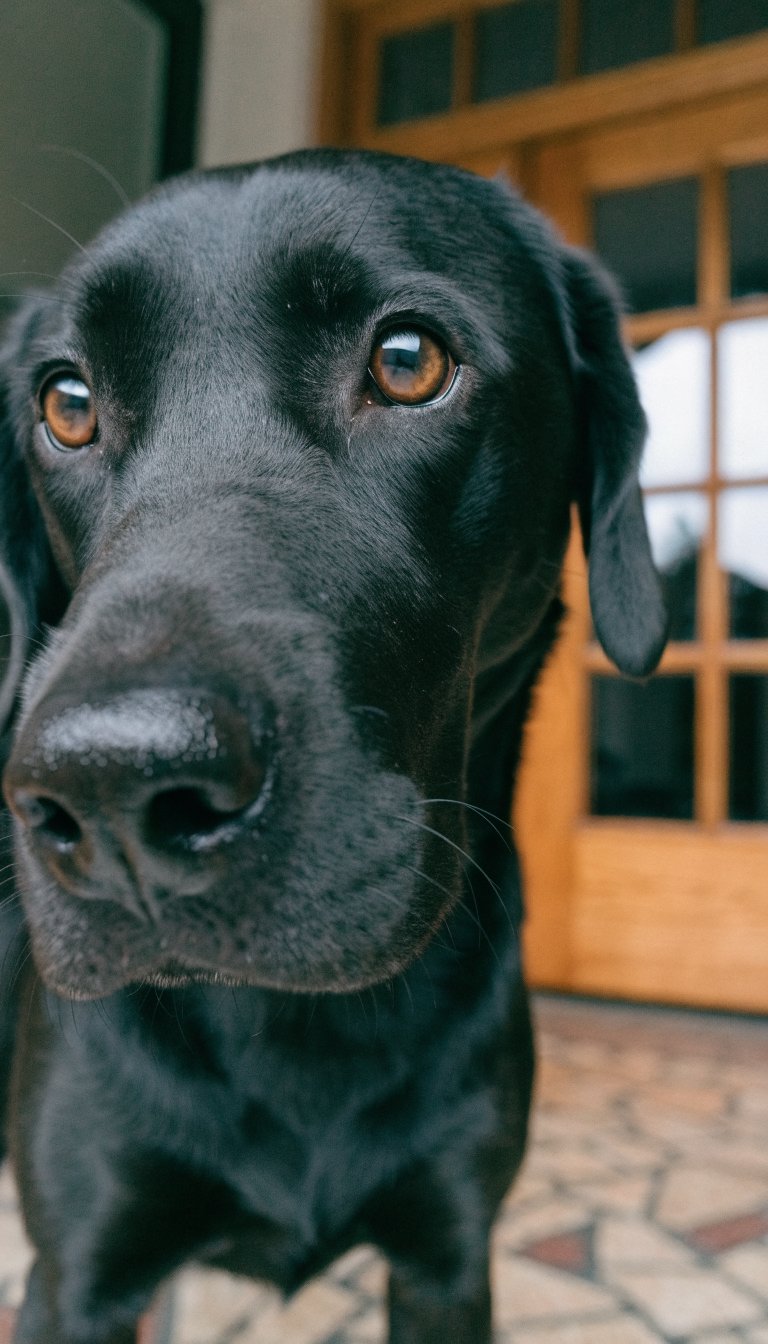
If you want a reliable polite greeting, start with the basics in small, consistent steps. Think of it as a tiny ladder you climb together.
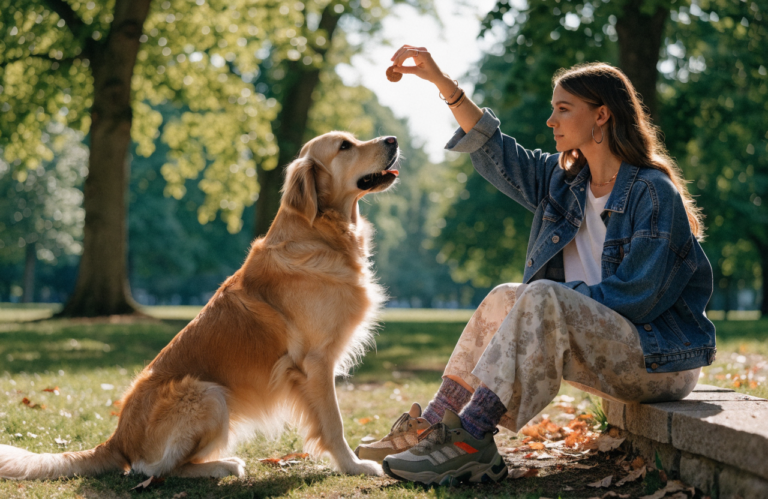
- Ask for a sit. Reward with a treat or a calm pet.
- Add a stay. Step back a couple of feet and calmly praise when they don’t jump.
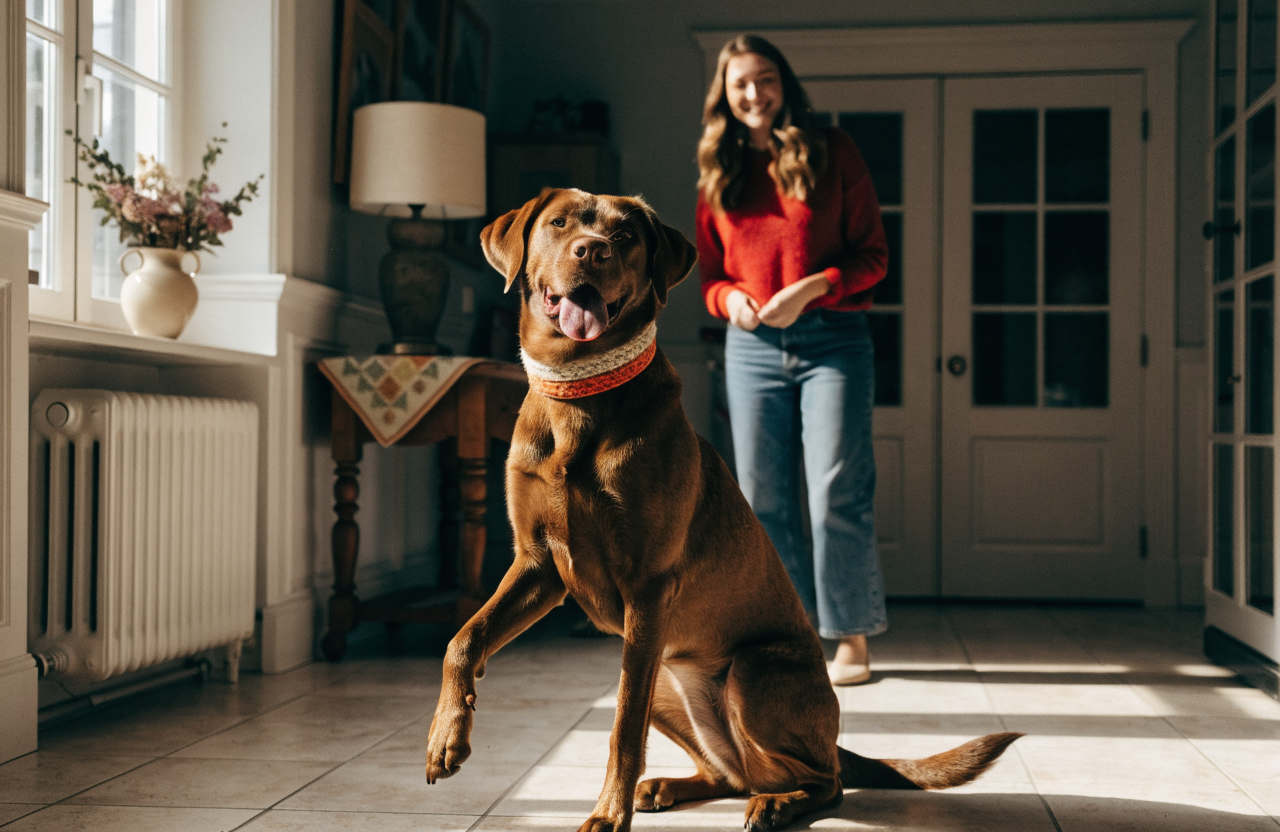
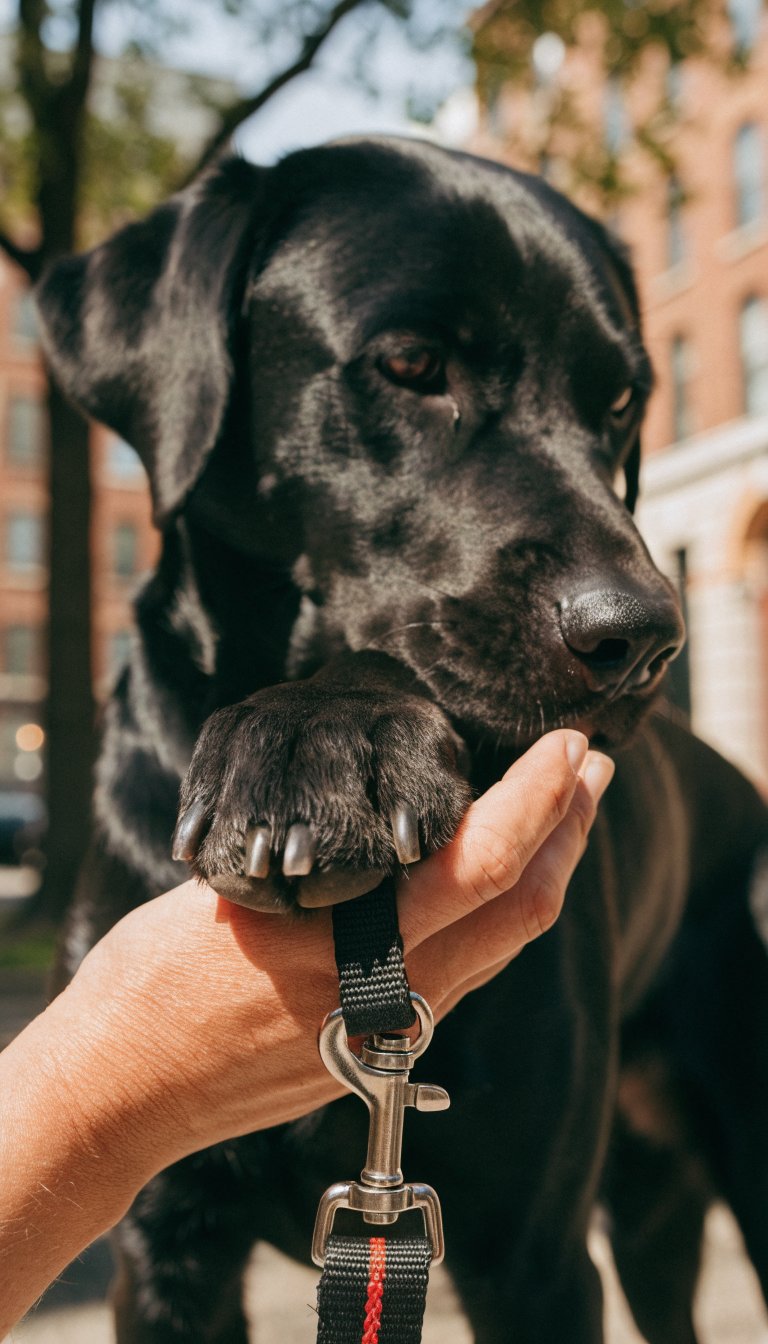
- Encourage a “shake” or “four paws” option for a friendly greeting without leaping. Yes, you can still be cute about it.
– Short sessions, frequent practice. Labs have memory for routines and repetition loves them back.
– Keep a calm energy. If you bounce around, they’ll mirror you and think jumping is part of the script.
Building a Cue-Driven Routine
Consistency is your best friend here. A cue is a tiny word or signal that tells your Lab exactly what to do when you arrive. Your favorite cues could be “Sit,” “Wait,” or “Greet.” The trick: pair the cue with a reward every single time.
Choosing the Right Cues
– Pick a single greeting cue: “Greet.” Don’t mix “Hello” with “Sit” if they cause confusion.
– Use a release cue for freedom: “Okay” or “All done” to tell them they can relax after the greeting.
Step-by-Step Cue Training
– Greet-forming: You arrive, they sit, you praise, then you reward. Progressively add distance.
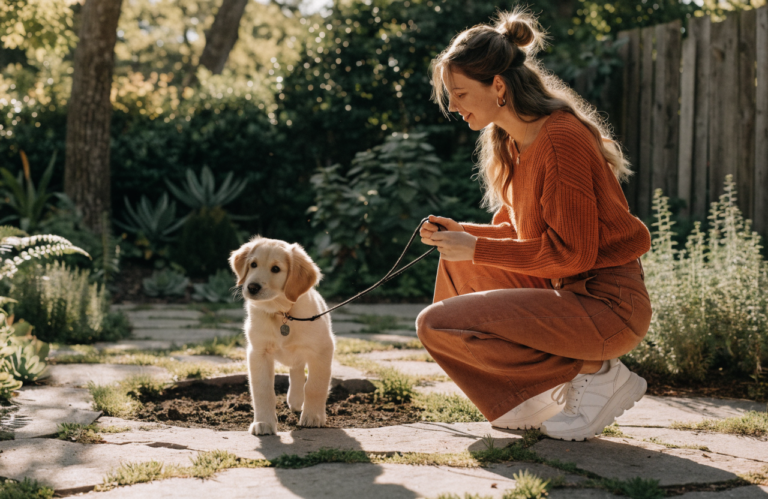
– Maintain a leash during practice at first. It helps control the energy and keeps sessions focused.
– Fade the treats slowly. Move to just verbal praise or a quick pat as they master the behavior.
Managing High-Energy Moments
Labs bring fireworks to every doorway. If you’ve got a high-energy buddy, you’ll want a plan for those explosive entrances.
– Create a “calm entry” ritual: sniff, wag, greet, then sit. The order is crucial.
– Use a leash for the first 30 seconds at home, so you can guide the greeting.
– When guests are over, set up a puppy-wide greeting zone away from doors. It’s like a mini concert, minus the chaos.
- Have visitors sit and wait for the dog to settle.
- Offer a high-value treat when the dog remains seated.
- Gradually increase the time before the greeting as the dog learns.
Teaching Polite Greetings with Guests
Guests can be loud, excited, and unpredictable. Your lab deserves a smooth intro to new people.
– Pre-visit practice: fake entrances at home with family members or friends. Reward the calm behavior.
– Use a “meet and sniff” protocol: dog on a leash, human offers a closed fist to sniff, then command “Greet” when the dog sits.
– Redirect jumping with a toy or a chew to give the dog something to do with their mouth that isn’t your sleeve.
Guest-Friendly Routines
– Have a “calm down” corner for your dog to retreat to before guests arrive.
– Give guests a simple instruction card: “Ask for a sit, praise, then greet.” Keeps everyone on the same page.
Common Pitfalls and How to Avoid Them
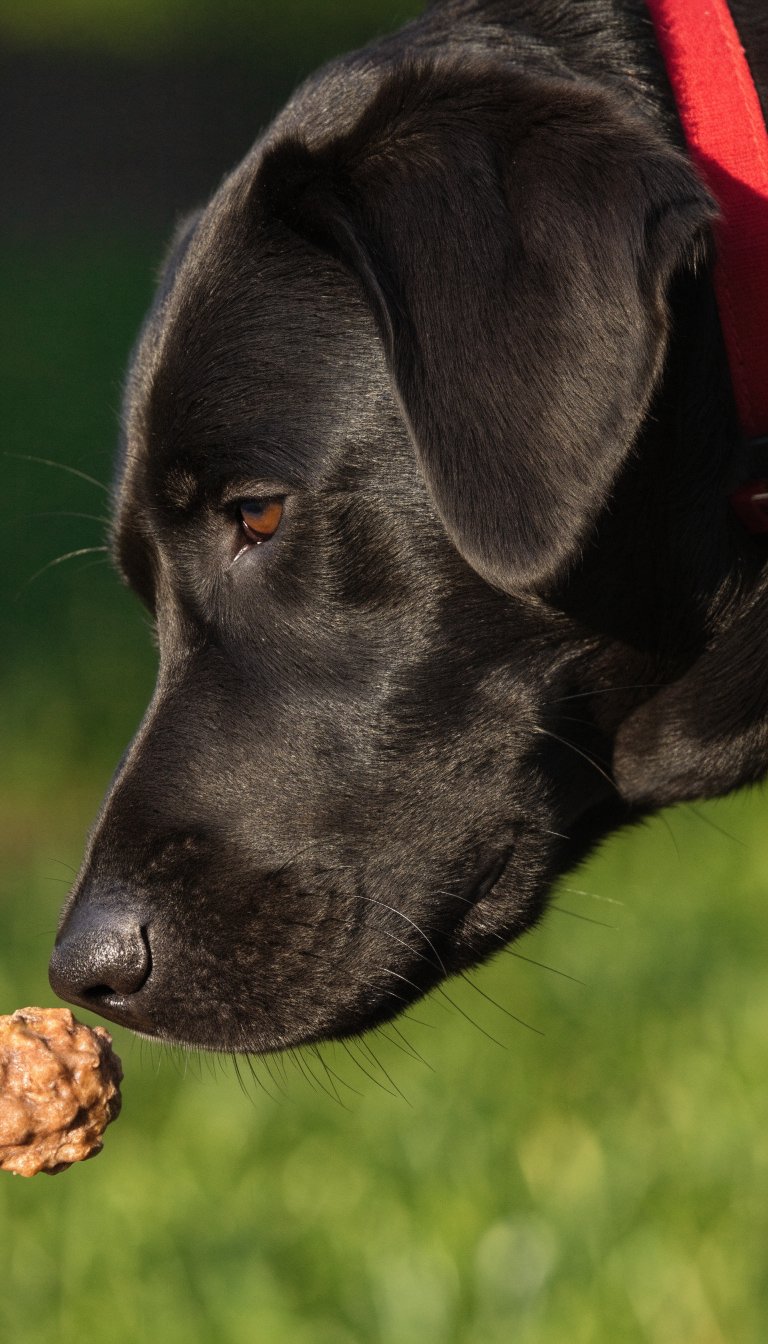
Every training journey has potholes. Here are some classic missteps and quick fixes so you don’t lose momentum.
– Expecting instant perfection: Labs learn fast but still need time to embed new habits.
– Yelling or scolding: It backfires, making the dog more excited or anxious. Stay calm and consistent.
– Inconsistent rewards: If you reward sometimes for jumping, you’ll confuse your dog. Pick a rule and stick to it.
– Over-stimulation moments: Avoid doorbell chaos. Pre-empt with a calm moment before greeting.
Maintaining Polite Greetings Over Time
Politeness isn’t a one-and-done deal. It’s a habit you reinforce daily.
– Short, frequent practice keeps the behavior fresh. A 5-minute session daily beats a long, weekly cram session.
– Mix in real-life opportunities: park visits, family drop-ins, porch greetings.
– Celebrate the small wins with a smile and a treat, not a prize fight.
Maintenance Ideas
– Schedule “polite greeting” drill days on the calendar.
– Record progress with a quick video. You’ll spot tiny improvements you might miss in the moment.
– If you slip, reset quickly. A brief reminder session can get you back on track.
FAQ
Will this work for all Labrador personalities?
Most Labs respond well to consistent, positive training. If your dog is exceptionally shy or overly reactive, you might need to tailor the approach. Consider working with a professional trainer who understands retrievers and can adapt the plan to your dog’s mood and environment.
How long does it take to see results?
It varies, but many dogs show noticeable improvement within a couple of weeks with daily practice. Some may take a bit longer, especially if they’re highly energetic or frequently rewarded for jumping by well-meaning guests.
Should I use treats every time?
Treats are great initial motivators, but you can phase them out as your dog learns. Use a mix of verbal praise, a quick pat, or a toy_reward to keep things interesting. FYI, variable rewards can help keep training engaging.
What if my dog jumps despite my best efforts?
Stay patient and consistent. Short, calm rest moments with a return to the sit-stay-greet pattern often reset the pace. If it persists, scale back the trigger—practice greeting with fewer people around or in a quieter space until it becomes reliable.
Can I train this with an already-older dog?
Absolutely. It might take a little longer, but older dogs can learn new cues with the right motivation and patience. Short sessions, clear cues, and plenty of praise go a long way.
Conclusion
Labradors are built for big-hearted greetings, not chaos at the door. With a little structure, consistent cues, and a lot of positive reinforcement, you can transform those enthusiastic jumps into polite, predictable welcomes. It’s not about dampening the dog’s joy; it’s about channeling it into a greeting that makes everyone smile. IMO, a well-momed Labrador greeting is one of life’s small, glorious triumphs—and you’ll enjoy every calm, waggy moment that follows. Ready to start the next polite greeting drill? Let’s do this.
About the Author

Hazzatul Khan
Dog Care & Training Expert
Hazzatul Khan is a passionate dog lover and canine care specialist with years of experience in dog training, nutrition, and everyday behavior management. He is dedicated to helping pet parents build happier, healthier, and safer relationships with their furry friends through simple, natural, and science-backed dog care advice.