
10 Easy Commands to Train your Puppy
Ready to turn chaos into cuddle-worthy moments?
These simple commands will build trust, structure, and a whole lot of wagging tails.
Stick with me and you’ll see fast wins plus long term good habits for life with your pupper.
1. Sit Pretty, Sit Now

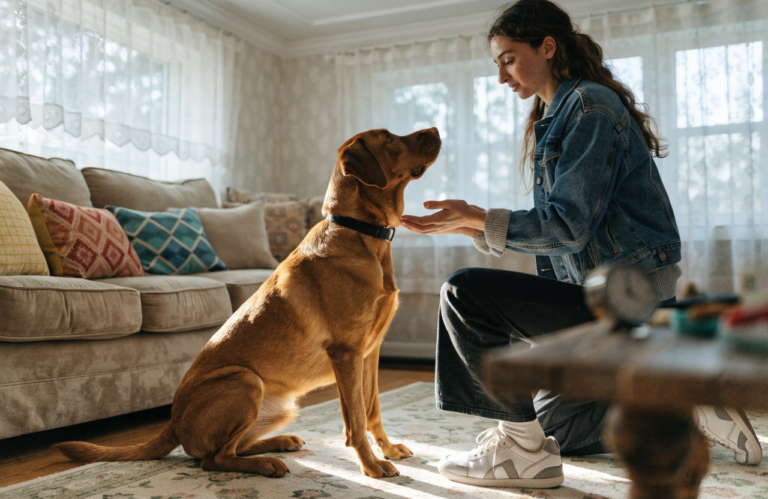
Sitting is the foundation for so many tricks and safety cues. It gives your puppy a moment to pause and listen before rewards.
Practice daily in short bursts and make it a game you both enjoy. FYI the easier you keep it, the quicker the payoff.
Key Points:
- Keep sessions 1-2 minutes
- Use a tasty reward to lure the position
- Fade treats gradually and rely on praise
Benefits: improved impulse control, easier leash walking, and instant sit before doorway exits or greetings.
2. Come Here, Good Pupper

Recall is your best safety tool and a confidence booster for your dog. A solid come cue means you can explore safely together.
Make the first few recalls incredibly rewarding and stress-free. Trust me, your future self will thank you.
Structure Suggestions:
- Use a long line during early sessions
- Reward with high value treats or a quick game
- Practice in different rooms, then outdoors
Note: Consistency beats intensity. Short, frequent sessions beat marathon attempts.
3. Down and Unwind

Down is a calm cue that signals relaxation in your space. It helps with guests, introductions, and morning chaos alike.
Teach gradually with a clear hand target and lots of positive reinforcement. You can do this while you sip coffee and pretend you are a patient dog whisperer.
Tips:
- Use a treat to lure the nose to the floor
- Hold the position briefly then release with a soft cue
- Pair with a controlled breath exercise for extra calm
When to use: lounging when guests arrive, calming before vet visits, or anytime you need a quiet moment.
4. Stay, But Make It Fancy
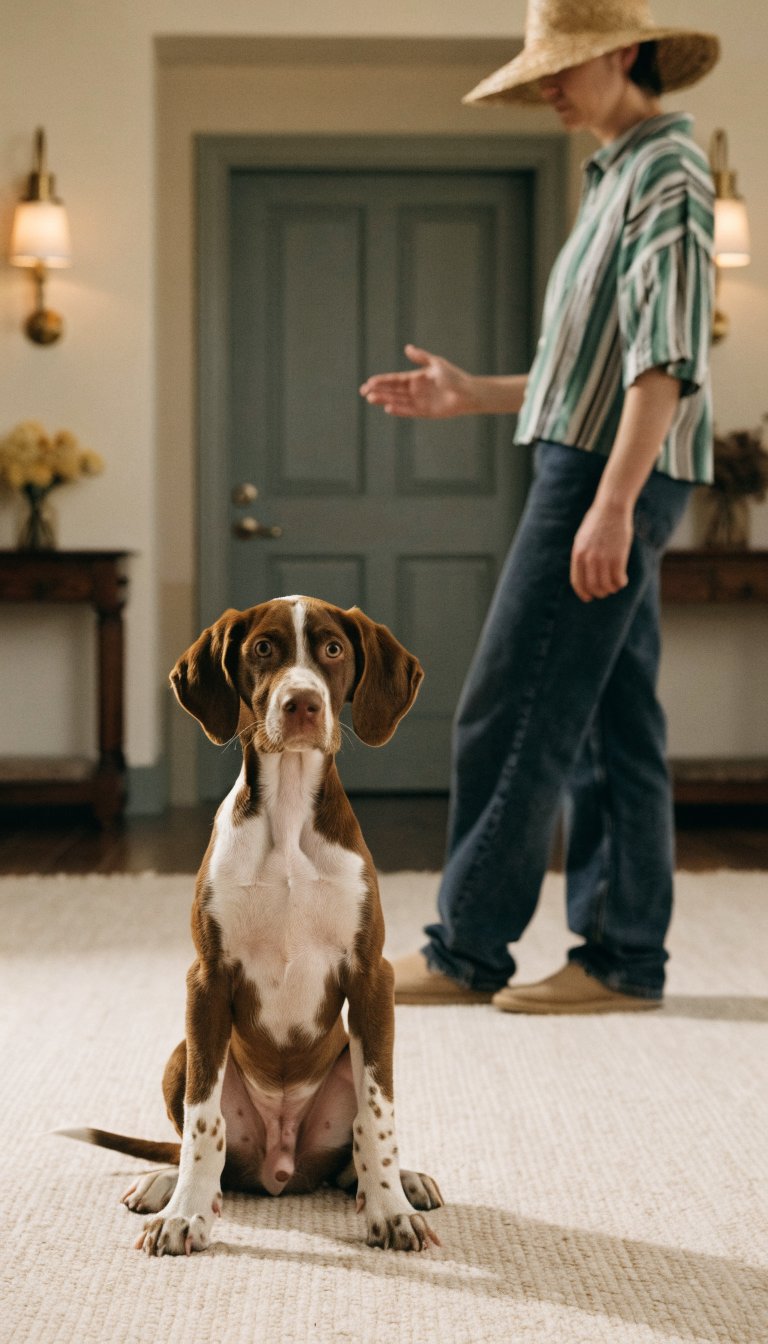
Stay teaches patience and self-control, two things every pup secretly craves. It sets your pup up for safe greetings and door manners.
Start small and gradually increase distance and duration. You’ll be amazed at how much your pup loves this structure.
Mini-Checklist:
- Short stays first, then wider circles
- Release cue clearly so the dog knows when it’s over
- Use a mat or designated spot for visual anchor
Benefits: reduces jumping, improves focus, and smooths door greetings.
5. Leave It, Take It Easy
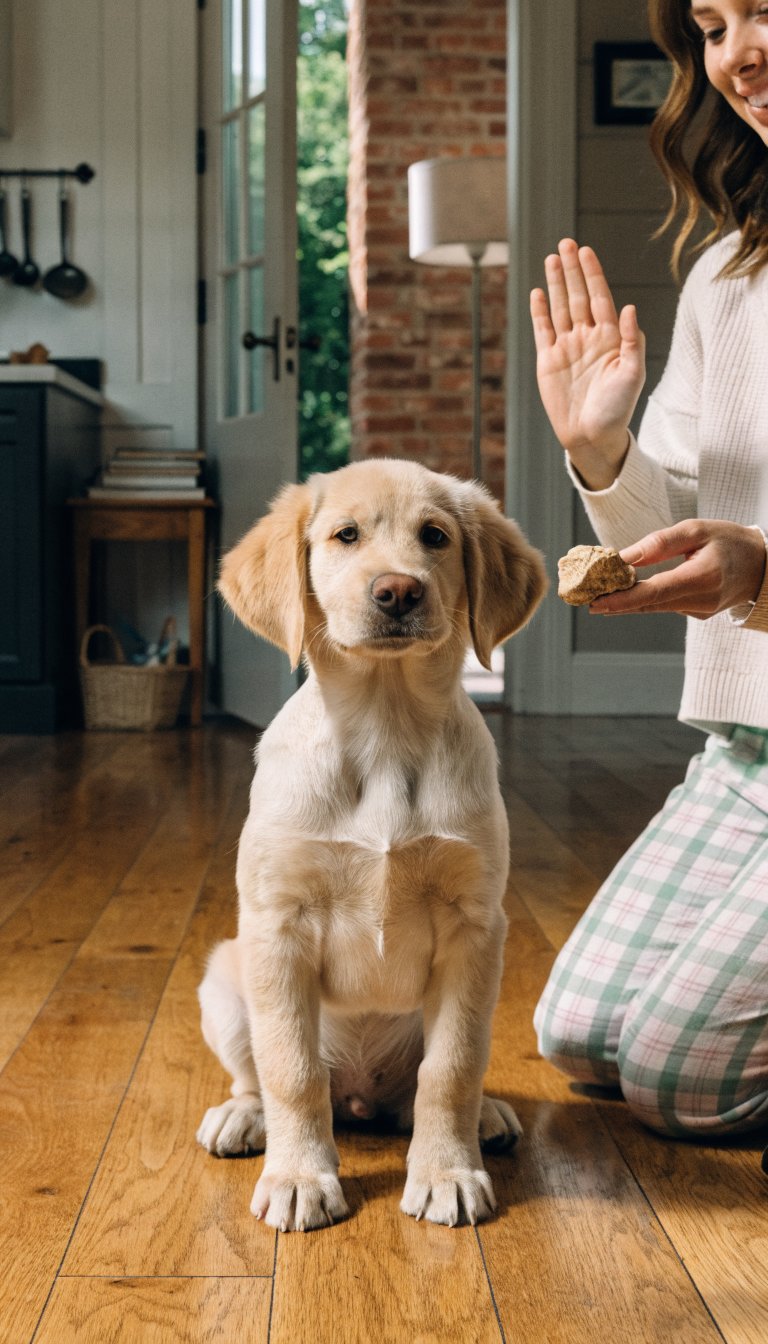
Leave it is a crucial front line for safety. It helps your pup resist tempting objects and hazardous situations.
Turn it into a game with a treat in your closed fist and a communicative reward when they back off. You’ll see the lightbulb moment fast.
How to Practice:
- Start with low value items and progress to real distractions
- Reward promptly when the impulse is resisted
- Pair with a verbal cue and a positive alternative offer
Common use: kitchen counters, garden trash, other dogs when you need space.
6. Spin It Into Tricks Time

Turning commands into small tricks keeps training fun and mentally stimulating for your clever puppy.
Spin, high five, roll over — variations keep energy high and attention sharp. IMO variety is the spice of puppy life.
Quick Tricks to Try:
- Spin on cue with a circle motion
- Shake or paw bump for a polite greeting
- Bow when you say “sit pretty”
End goal: a repertoire that’s entertaining and reinforces top-level listening during playdates or family gatherings.
7. Leave No Chew Behind

Chewing is a natural phase, but you want to steer it away from furniture and shoes. Teach a friendly alternative so your pup knows what’s allowed.
Offer a durable chew toy and set clear boundaries. Seriously, consistency wins here more than any fancy gadget.
Practical Setup:
- Provide a variety of safe chews and textures
- Redirect with a click of your marker word and a treat
- Schedule chew times to prevent frustration and buildup
Outcome: calmer energy, healthier teeth, and a happier living space for everyone.
8. Gentle Greetings, Big Smiles

Greet with manners rather than jumping. A calm greeting reduces stress for you, guests, and your pup.
Practice different introduction scenarios so your pup learns to pause and focus before socializing.
How It Fluently Works:
- Ask for a sit before any petting or feeding
- Reward calm behavior, not attention grabbing antics
- Use a leash during initial socialization to maintain control
Benefit: steadier behavior at parks, in apartments, and during vet visits.
9. Mat Time Magic

A dedicated mat or bed can become a sanctuary cue that signals rest, focus, and a moment to reset during busy days.
Incorporate mat time into your daily routine to create a reliable space where your pup can retreat and regroup.
How to Make It Work:
- Place the mat in a quiet corner and reward when your dog settles
- Attach a quiet cue like “settle” or “mat” to build automatic behavior
- Use mat time between activities to manage energy levels
Impact: reduces chaos during age transitions and helps with crate training when needed.
10. The Two-Minute Endgame Routine

End each session with a tiny, blissful recap to anchor learning and leave your pup excited for the next round.
Two minutes of a simple chain — sit, stay, come — ends training on a high note and reinforces good listening in everyday life.
Structure Ideas:
- Mix cues into a short, happy sequence
- Finish with a favorite treat and a cuddle
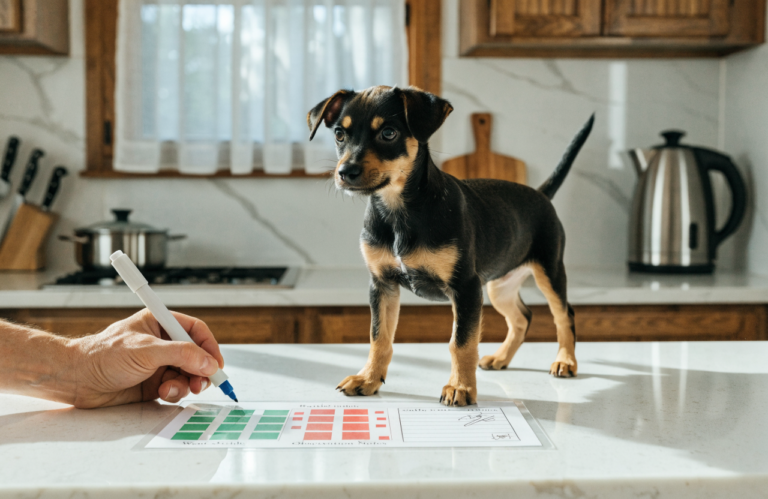
- Keep a training log to track progress and adjust difficulty
Bottom line: consistency and joy win the long game of puppy training, and you’ll feel the wins every day.
Conclusion: You’ve got the tools, now go have fun with your pup. Every short session adds up to a well behaved best friend who loves you back with wagging energy. You’ve got this — trust me, you’re closer than you think.
About the Author

Hazzatul Khan
Dog Care & Training Expert
Hazzatul Khan is a passionate dog lover and canine care specialist with years of experience in dog training, nutrition, and everyday behavior management. He is dedicated to helping pet parents build happier, healthier, and safer relationships with their furry friends through simple, natural, and science-backed dog care advice.