Australian Shepherd Puppy Routine: Balance Play, Training, and Rest
The moment you bring home an Australian Shepherd puppy, your daily routine turns into a high-energy scavenger hunt. They bounce, learn, and demand attention in roughly the same measure as a sprinkle of chaos. Let’s map out a balanced plan that keeps them happy, healthy, and—let’s be honest—keeps your sanity intact.
Why a Routine Actually Frees You (Not the Other Way Around)
Routines aren’t cages; they’re clarity. When a pup knows what’s coming next, they stop guessing and start learning faster. Consistency reduces accidents, wows you with quicker training progress, and gives you predictable playtime that doesn’t spill into every corner of your living room. So yes, a steady rhythm is a tiny bit magical.
Morning Momentum: Start Strong Without Exhausting Them

A fresh start sets the tone for the day. Aussie puppies have energy that could power a small town, so a smart morning routine channels it.
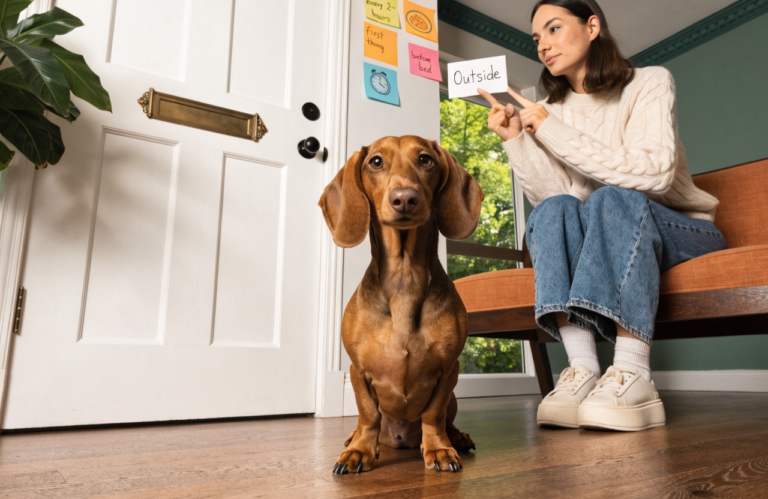
– Quick potty first thing, then a short sniff-and-sight walk to wake up senses.
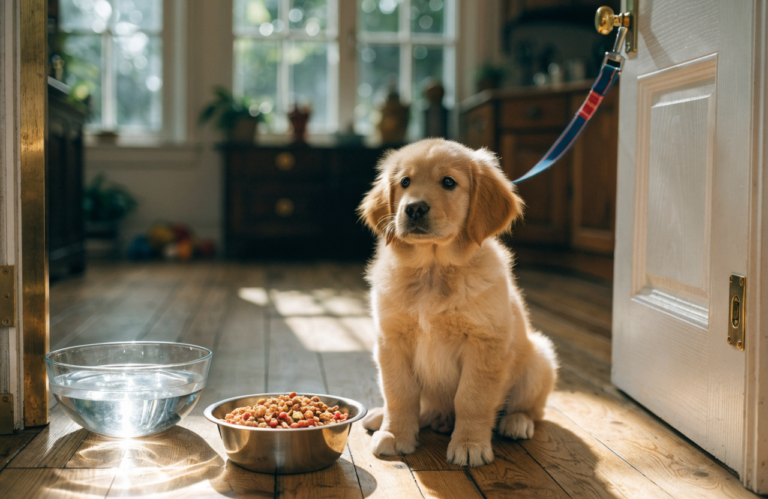
– Breakfast should come after the outdoors, not before—helps with digestion and waiting pluralities (i.e., “sit, stay” before digging in).
– A bite-sized training session (5–10 minutes) focusing on basics: sit, stay, recall. Make it a game, not a drill.
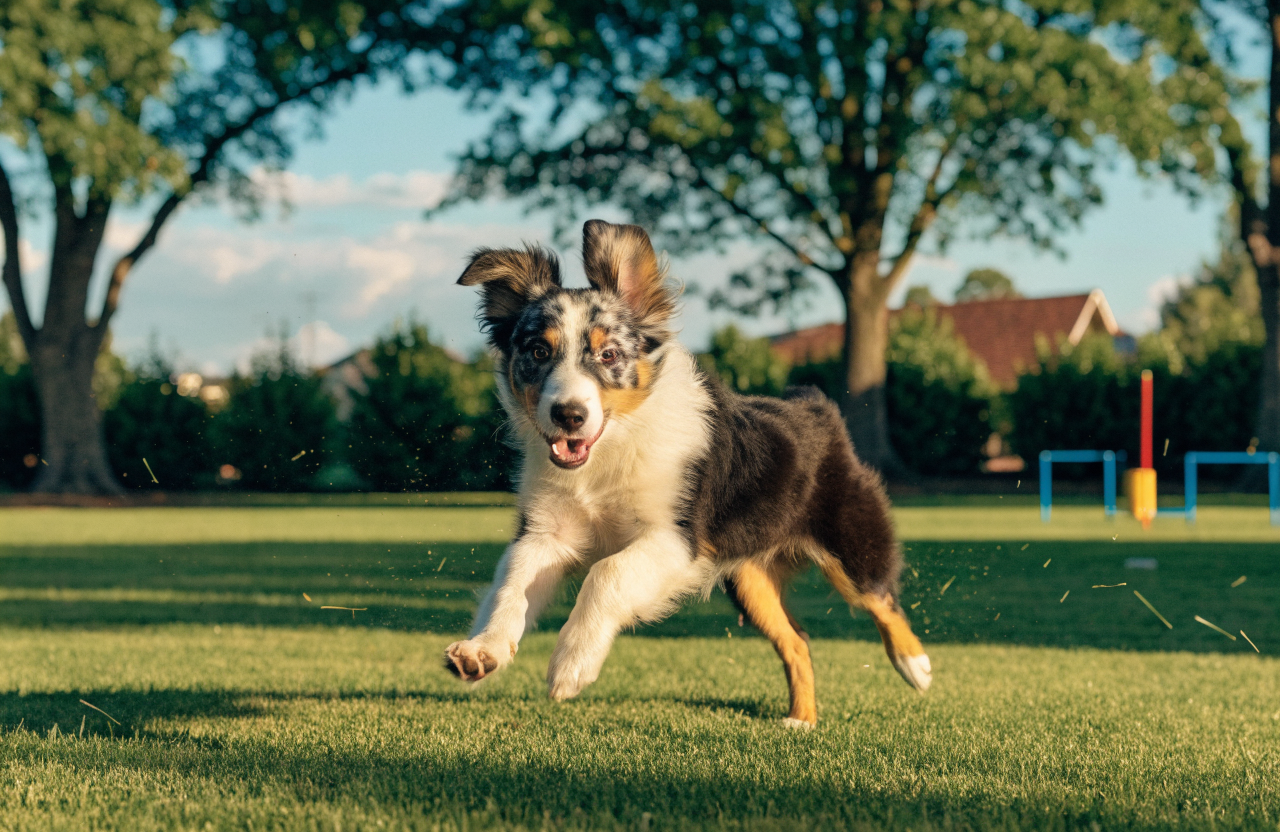
– Playful cardio: a fetch lap around the yard, a quick obstacle course, or a brisk tug. Keep it predictable in length to avoid early burnout.
Balanced Play: The Right Mix of Action and Breaks
Australian Shepherds live for play, but they also live for your attention—often at the same time. The trick is balancing high-octane fun with restful moments.
Structured Play Breaks
– Use 5–10 minute play bursts followed by 5 minutes of calm. It teaches impulse control and prevents meltdown mode.
– Mix activities: fetch, puzzle toys, and a lazy “watch me” game (where they learn to focus on you rather than the world’s endless distractions).
Mental Gymnastics
– Teach problem-solving with slow feeders or treat-dispensing toys.
– Rotate toys weekly to keep novelty high without buying new stuff every week. FYI, a simple cardboard box can become a hero if you hide treats inside.
Training That Sticks: Short, Positive Sessions

Aussies soak up training like a sponge when the vibe stays friendly and the rewards feel worth it.
– Keep sessions short, frequent, and fun. Think 5–8 minutes, 2–3 times a day.
– Use high-value treats early on, then transition to praise and frequent petting as the dog proves reliable.
– Be consistent with cues and avoid mixed signals. If you say “sit,” don’t also expect “down” to count as a substitute.
Crucial Training Milestones
– Recall basics: practice in low-distraction areas, then progressively add distractions.
– Loose-leash walking: reward when the leash stays relaxed and he’s by your side.
– Boundary training: teach boundaries around furniture, toys, and rooms so your pup isn’t charging every corner of the house.
Rest Is Energy Conservation: How Much Sleep Do They Really Need?
Yes, puppies sleep. A lot. Sleep isn’t laziness; it’s the engine that supports growth and processing all the new information they absorb.
– Expect 18–20 hours of sleep per day, broken into naps between play sessions.
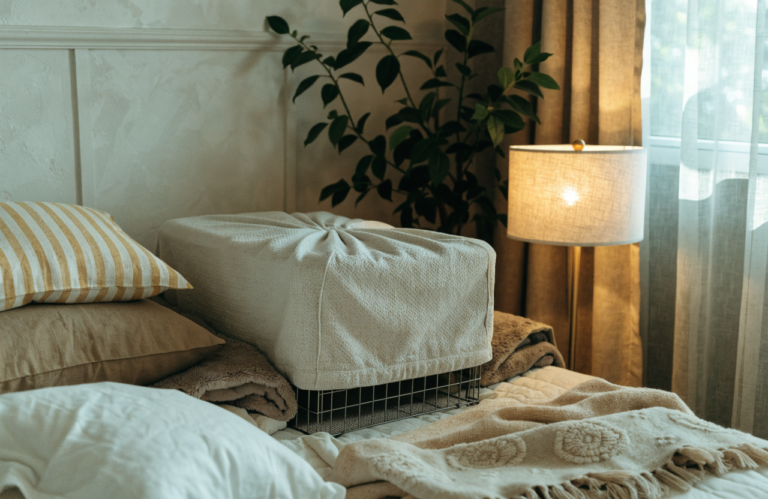
– Create a cozy crate or bed space with familiar smells. Crate time can be calm chamber time—use it for naps or safe downtime.
– Notice your puppy’s energy cues. If they crash mid-play, let them nap. Forcing them to keep going leads to cranky pups and accidents.
Nutrition and Scheduling: Feeding for Energy and Focus
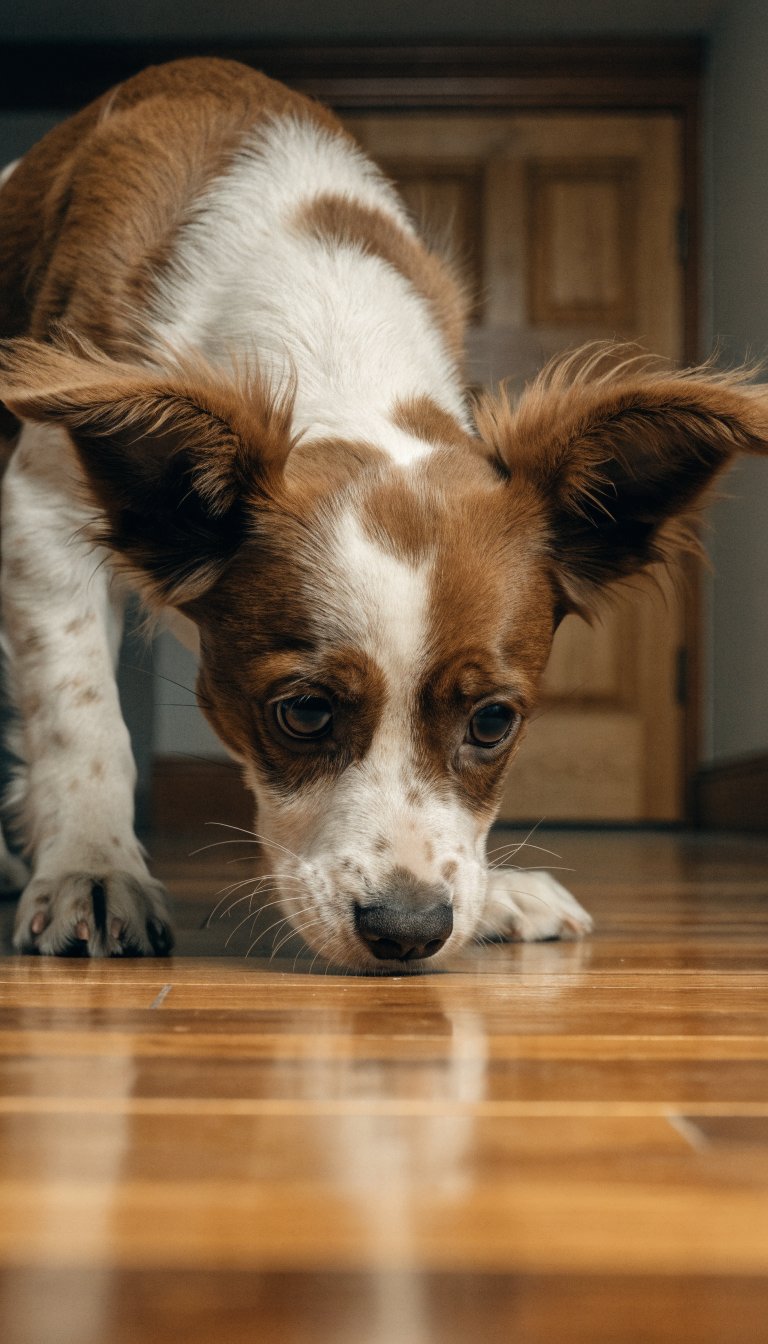
What goes in matters as much as how it’s used. A balanced diet fuels learning and sustainable energy.
– Feed on a consistent schedule: 3 meals a day for puppies, slowly transitioning to 2 as they grow.
– Measure portions to avoid weight gain that makes exercise feel like a chore.
– Avoid big meals right before intense play or training to prevent tummy troubles.
Snack Style and Timing
– Use meals as training rewards to reinforce good behaviors.
– Save high-value treats for tricky skills or recall practice to maximize impact.
Social Time: The World Beyond Your Living Room
Aussies are people-leaning dogs, but interactions should be structured.
– Socialize gradually with other dogs, kids, and adults in a controlled setting.
– Short, positive exposure to new environments helps them stay confident without getting overwhelmed.
– Enroll in a puppy class when appropriate to build foundational manners and expose them to controlled stimuli.
Doggie Socialization Do’s and Don’ts
– Do arrange positive experiences with calm, well-behaved dogs.
– Don’t force interactions with dogs that show aggression or fear.
– Do supervise all interactions with kids, teaching them gentle handling.
Stretching the Routine: Adapt as They Grow
Puppies aren’t little aliens; they’re evolving versions of themselves. Your plan should evolve too.
– Increase session lengths gradually as stamina builds.
– Add distractions gradually to keep training resilient.
– Revisit core commands monthly to reinforce memory and prevent regression.
Safety and Grooming: Small Tasks, Big Payoff
Aussies are rugged but need care to stay comfortable and healthy.
– Regular brushing to reduce shedding and skin issues. Pro tip: do it after a short play session when they’re a little tired.
– Check nails, ears, and teeth weekly. Short sessions and positive reinforcement win here too.
– Keep chew toys available to help with teething and jaw strength.
FAQ
How often should I exercise an Australian Shepherd puppy?
Puppies need frequent short bursts of exercise throughout the day. Think 5–15 minute sessions, multiple times daily, plus several short potty walks. Gradually extend as they grow and build stamina.
What’s the best way to handle chewing and teething?
Provide a mix of safe chew toys, frozen teething rings, and redirect to appropriate items when they go for furniture. Short, frequent training bursts help them learn what’s acceptable. FYI, consistency is everything here.
How do I start crate training without drama?
Make the crate a comfy, positive space with treats, praise, and a favorite toy. Start with short, peaceful sessions and gradually increase the duration. If they whine, wait a moment before responding to avoid teaching them that whining works.
When should I start formal obedience training?
As soon as you’ve settled basic routines and potty training, usually around 8–12 weeks. Keep sessions short and fun, and choose a positive, reward-based program. IMO, puppy classes are worth it for social and structure benefits.
How do I balance training with play to prevent burnout?
Mix mental and physical activities in each day. Short, focused training sessions combined with supervised, varied play keeps them engaged without overwhelming them. If your pup looks bored, switch activities and introduce a new challenge.
Conclusion
Building a balanced Australian Shepherd puppy routine isn’t about squeezing every moment into a rigid schedule; it’s about giving them structure that backs up all that zippy energy. A little planning goes a long way toward happier days, fewer chewed slippers, and faster mastering of the basics. Stay consistent, stay curious, and yes—have a blast. Your Aussie will thank you with loyal eyes, wagging tail, and a brain full of ready-to-use tricks.
About the Author

Hazzatul Khan
Dog Care & Training Expert
Hazzatul Khan is a passionate dog lover and canine care specialist with years of experience in dog training, nutrition, and everyday behavior management. He is dedicated to helping pet parents build happier, healthier, and safer relationships with their furry friends through simple, natural, and science-backed dog care advice.