
How To Tell If Your Dog’s Feelings Are Actually Hurt
Ever caught your pup giving you the cold shoulder after a case of the zoomies gone wrong? You’re not imagining things.
Reading a dog’s feelings is a mix of science and sniffing out vibes, and yes you can get better at it with a few simple tricks.
Stay with me and you’ll learn to translate tail wags into real signals you can act on, not just guess about.
1. The Tail Says It All, Sometimes
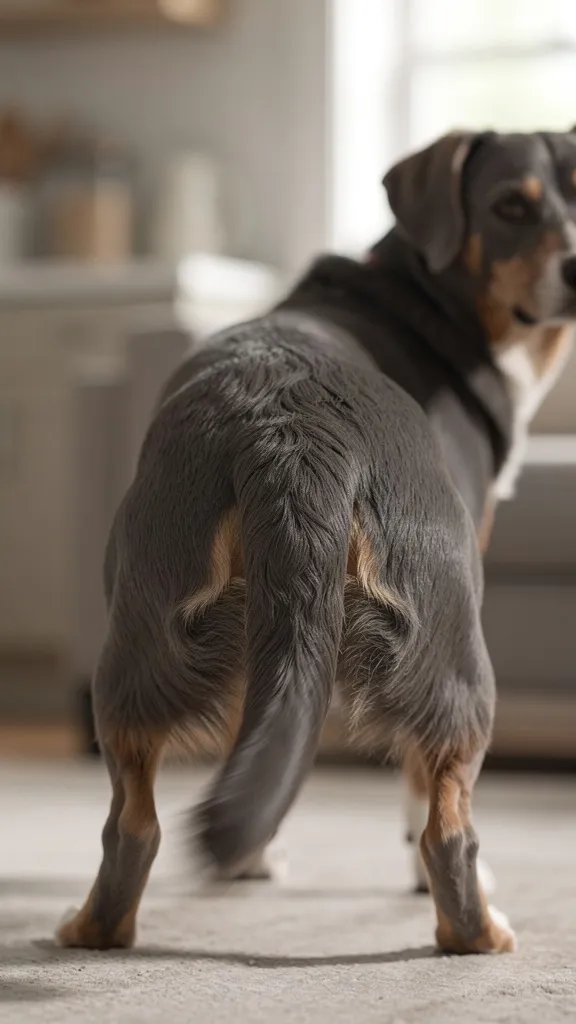
Tails are tiny emotional weather vanes. When your dog is hurt emotionally, the tail act can change in subtle ways that are easy to miss if you’re multitasking at the fridge.
This section helps you notice shifts without overreacting or turning every wag into a crisis.
Key Signs To Watch
- Slow, stiff wagging rather than a full-body wag
- Tail tucked low or between the legs after a confrontation
- Short, quick movements instead of the usual carefree swish
When you notice these, give your pup space and then offer gentle reassurance. The goal is to acknowledge hurt without making it a bigger deal than it is.
2. Ears, Eyes, and Expression: The Quiet Conversation

Dogs communicate a lot through their face and ears. A hurt pup often hides behind a cautious look or suddenly focuses on a safe spot rather than your face.
Understanding these micro-expressions helps you respond with care rather than frustration.
What to Observe
- Ear position: pinned back or flattening can signal distress
- Eyes: avoiding direct gaze or a soft, unfocused stare
- Muzzle and mouth tension: closed lips or a tucked chin
Tip: approach slowly, speak in a calm tone, and let your dog set the pace for interaction. FYI, your vibe affects theirs instantly.
3. Body Language Secrets: Posture That Speaks Volumes

Body language often whispers what the mouth won’t say. A hurt dog may hunch, freeze, or shift weight to one side like a stubborn statue. Reading the posture helps you intervene early.
Master this and you’ll prevent small hurts from spiraling into bigger stress.
Important Postures
- Low body with a tucked tail after a disagreement
- Hesitant stepping and weight shift when approaching you or another dog
- Rolling onto the side or back as a plea for space
End result: you create a safer space, and your dog learns you respect their emotions as valid signals.
4. Behavioral Shifts: Habits That Change When Hearts Get Heavy
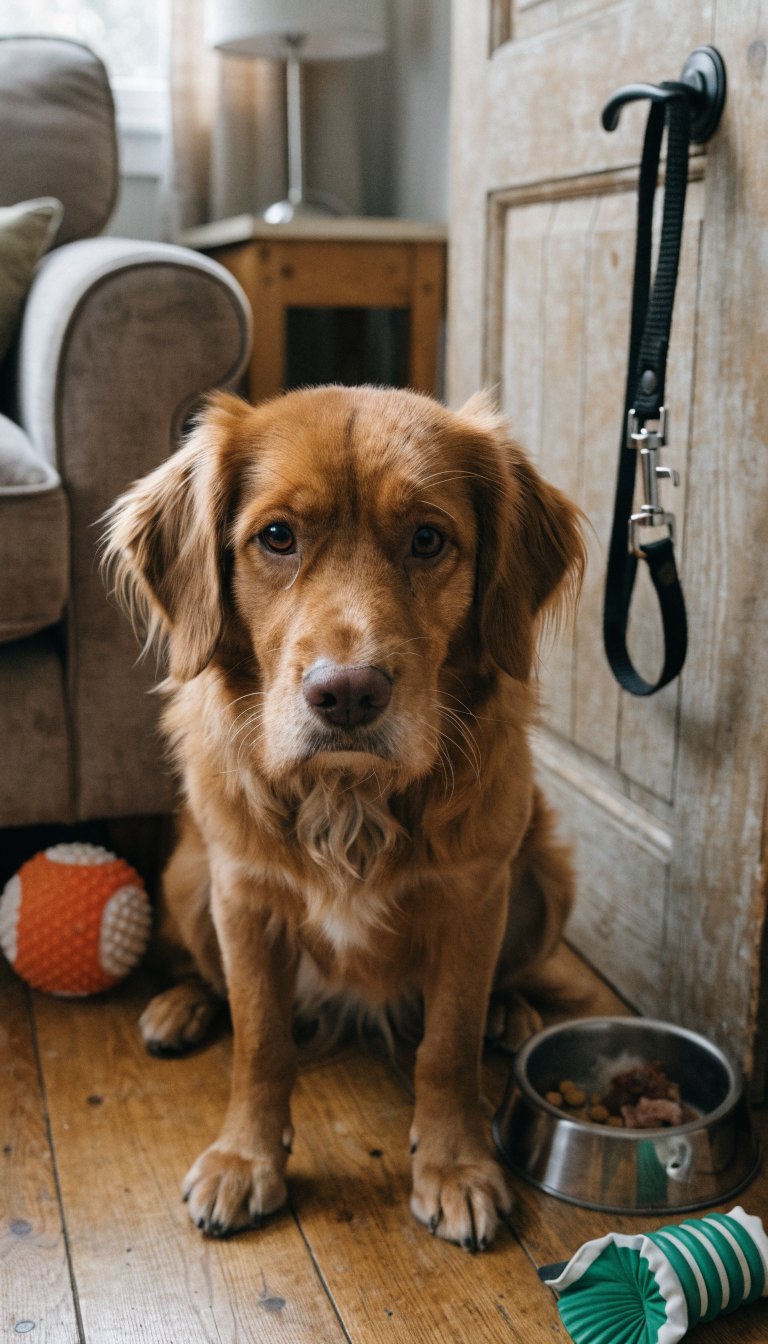
When feelings get hurt, routines can shift faster than your favorite streaming playlist. Your dog might avoid things they used to love or revert to old habits they outgrew, and that’s your cue to adjust.
This section helps you spot patterns and respond with empathy rather than impatience.
Patterns To Look For
- Sudden appetite changes or hesitation around meals
- Reduced curiosity about toys or sniffing around the same spots
- Avoidance of previously enjoyed activities like fetch or walks
Tip: note when these changes started and what happened right before, so you can connect the dots without blaming your pup. Seriously – a calm detective approach works wonders here.
5. What To Do In The Moment: Gentle Fixes That Build Trust

Detecting hurt is only half the battle. The other half is knowing what to do when you notice the signs. Quick, compassionate actions can help your dog feel safe again and remind them you’re on their team.
These practical steps keep things practical and non drama filled.
Actionable Steps
- Give space for a few minutes but stay within their sight line so they feel your presence
- Speak softly, avoid high pitched tones that can feel like a bark at them
- Offer a comforting object like a favorite blanket or a low-key chew toy
- Encourage gentle interactions at the dog’s pace, not yours
- End with a positive routine, like a short walk or a simple training game to rebuild trust
By choosing patient, consistent responses you help your dog relearn that you are a safe haven, not a source of stress. Trust me, small wins stack up fast here.
In case you’re wondering how to apply these insights in real life, try this quick routine: pick a calm moment after a routine activity, observe the dog for a minute using the signs above, then respond with a gentle, low-key interaction. You’ll be surprised how quickly vibes shift back to cozy and connected.
Remember, every dog is different and some may need more time or a little extra reassurance. If you notice persistent avoidance, aggression, or marked changes in appetite or elimination, consider consulting a veterinarian or a professional trainer for tailored guidance. FYI, you’re doing great for paying attention in the first place.
Ready to start reading your dog’s feelings like a pro? Grab a cup of tea, head to the living room, and begin with mindful observations today. Trust your instincts, and you’ll both feel the love sooner than you think.
Conclusion: You’ve got this. With these five perspectives in your toolkit, you’ll spot hurt, respond with care, and strengthen the bond you share with your dog. Now go forth and turn empathy into everyday action.
About the Author

Hazzatul Khan
Dog Care & Training Expert
Hazzatul Khan is a passionate dog lover and canine care specialist with years of experience in dog training, nutrition, and everyday behavior management. He is dedicated to helping pet parents build happier, healthier, and safer relationships with their furry friends through simple, natural, and science-backed dog care advice.