Dachshund Potty Training: 7 Mistakes That Can Slow Progress
Ready to turn potty training into a smoother ride for you and your pup? We’re ditching the chaos and embracing simple, friendly tricks that actually work.
These tips cut through the noise so you can see progress faster and avoid common frustration. FYI, consistency is your best friend here.
Stick around and you’ll pick up practical habits that make every potty break feel effortless and less stressful for your tiny long dog.
1. Skipping a Clear Schedule and Routine
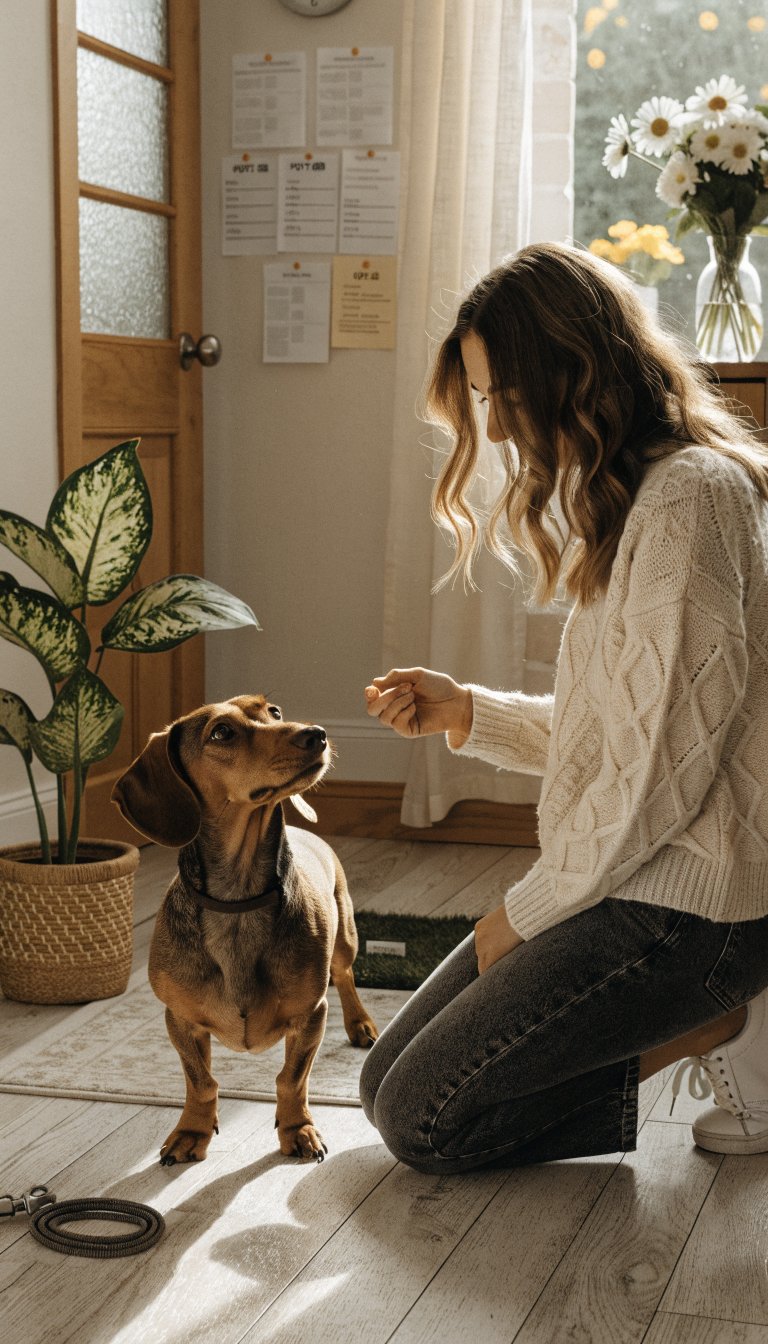
Dogs thrive on routine, and dachshunds are no exception. When you wing potty times, you invite accidents and confusion. A steady schedule builds predictability and confidence for your pup.
Key points to nail this week:
- Set fixed potty times after waking, after meals, and before bed
- Take a short walk or yard break right before bed to minimize overnight accidents
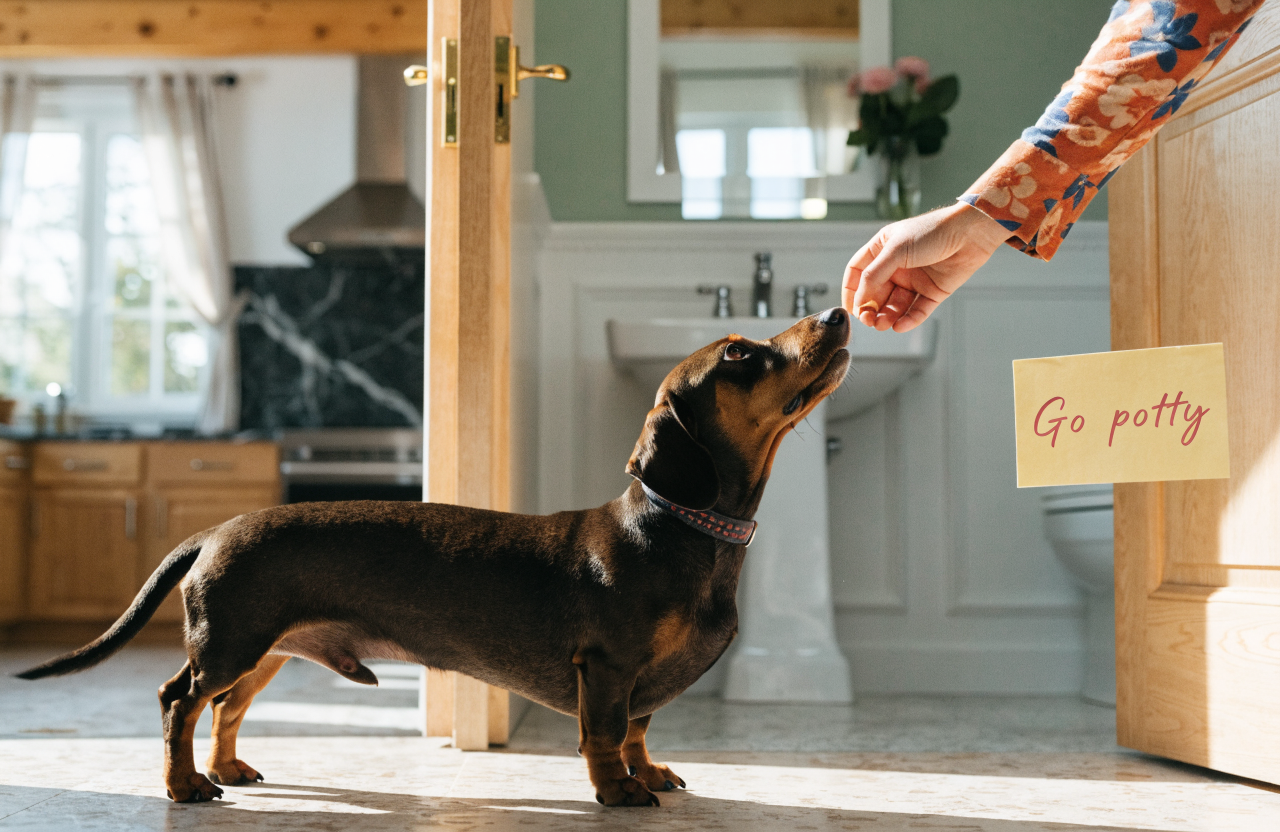
- Use a consistent cue like “Go potty” so your dog connects the cue with the action
Benefits: fewer accidents, faster learning, and a calmer household. Start now and adjust as needed to match your dog’s natural rhythm.
2. Inconsistent Rewards or Forgetting to Reward
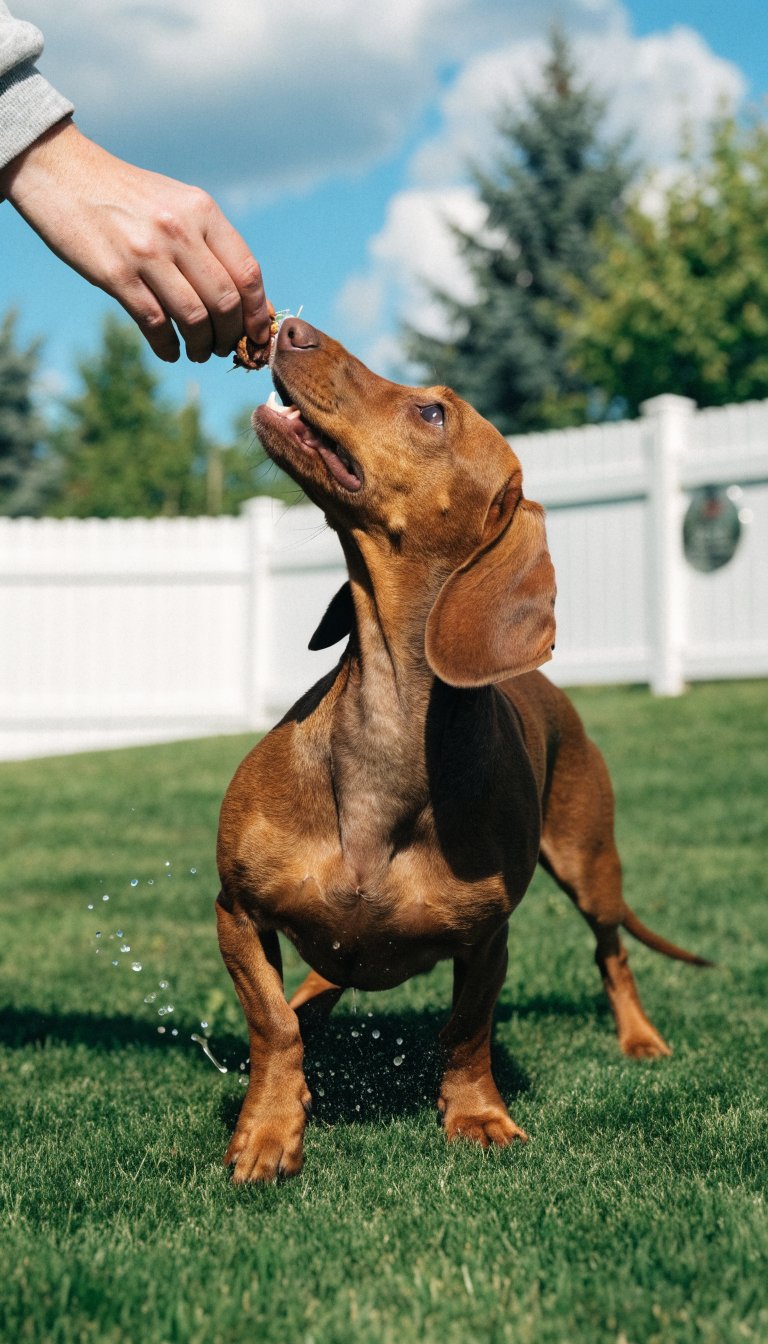
Warning sign: you praise once and expect miracles. Dogs respond best when rewards are immediate and clearly tied to the action. Inconsistency slows learning and makes your pup doubt what you want.
What to do instead:
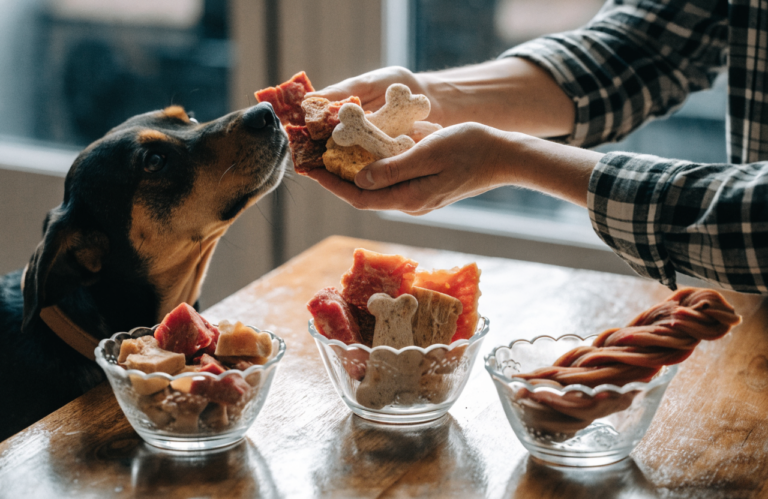
- Offer a tasty treat or a favorite toy within seconds after the successful potty moment
- Use a click or quick verbal cue to mark the moment you spot the act completed
- Compliment with enthusiasm so your dog feels the payoff is worth repeating
Pro tip: sprinkle occasional high value rewards for tricky days and keep regular rewards for routine successes. Trust me, it pays off with fast improvement.
3. Punishing Accidents Instead of Preventing Them
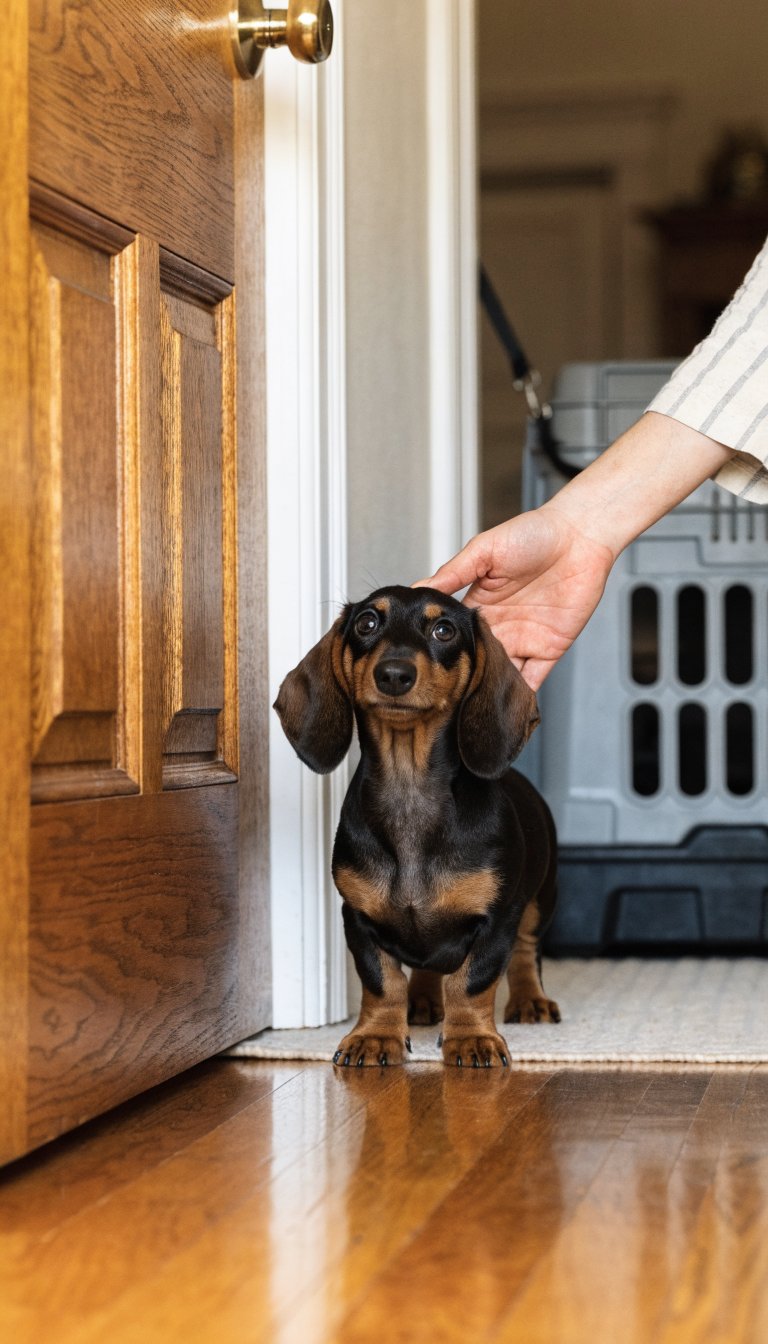
This one stings because it feels like you’re teaching, but punishment teaches fear and can erase progress. Accidents happen, especially with puppies who are still learning their schedule.
Adopt a prevention-first mindset with these moves:
- Supervise closely or use a crate when you can’t watch closely
- Limit access to rooms with easy-to-clean flooring during the learning phase
- Calmly guide your pup to the door during the next opportunity rather than scolding
End result: your dachshund stays motivated and learns faster because the training stays a positive experience rather than a punishment circus.
4. Ignoring the Power of Crate Training and Confinement
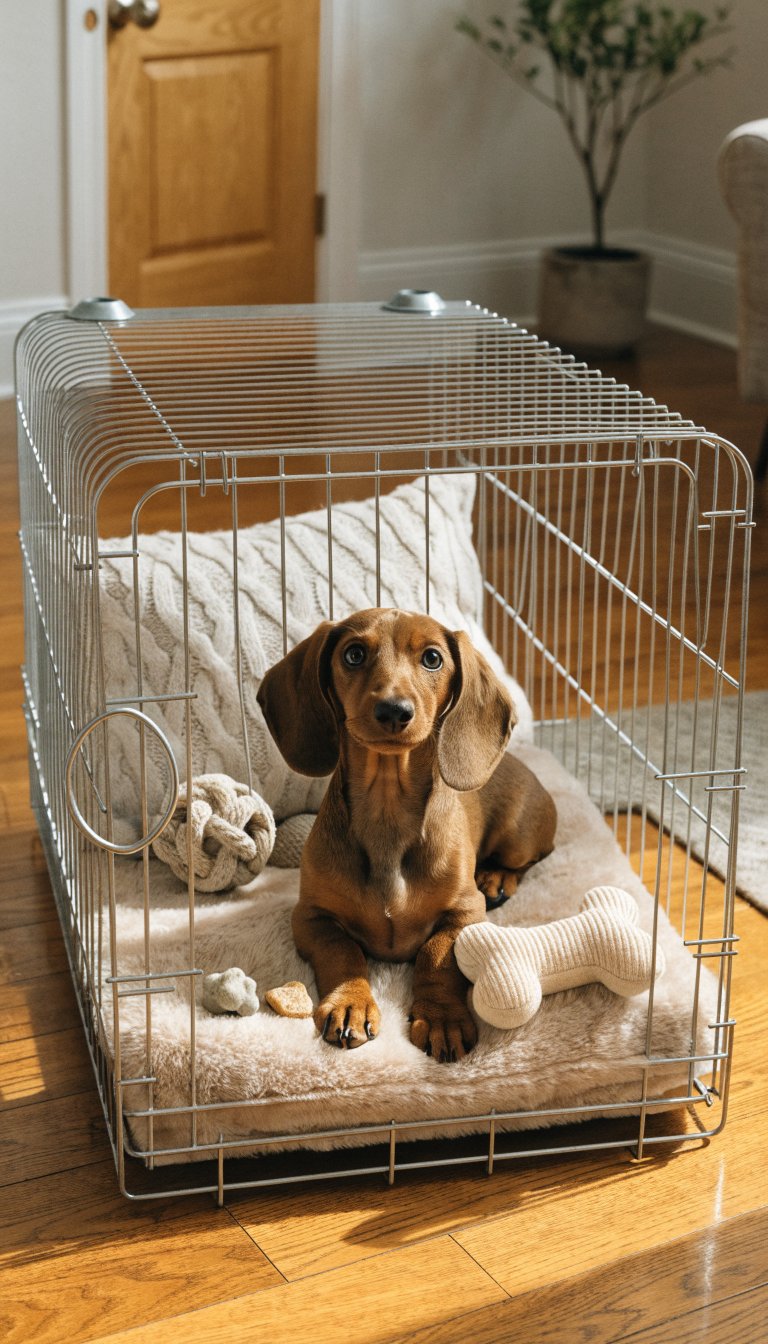
Crates are not cages; they’re safe, den-like spaces that help puppies regulate bladder control and reduce anxiety. Skipping this tool can leave you chasing accidents all day long.
How to use crates ethically and effectively:
- Choose a crate size that allows a comfortable turn, but not a treadmill for exploring the world
- Introduce the crate with tasty treats and fun toys, never as a punishment
- Use the crate for nap times and nighttime to minimize overnight mishaps
Benefits: faster training, less mess, and a calmer pup who learns to settle in a familiar space. Start small and gradually extend crate time as your dog matures.
5. Overlooking Environmental Caffs and Signals
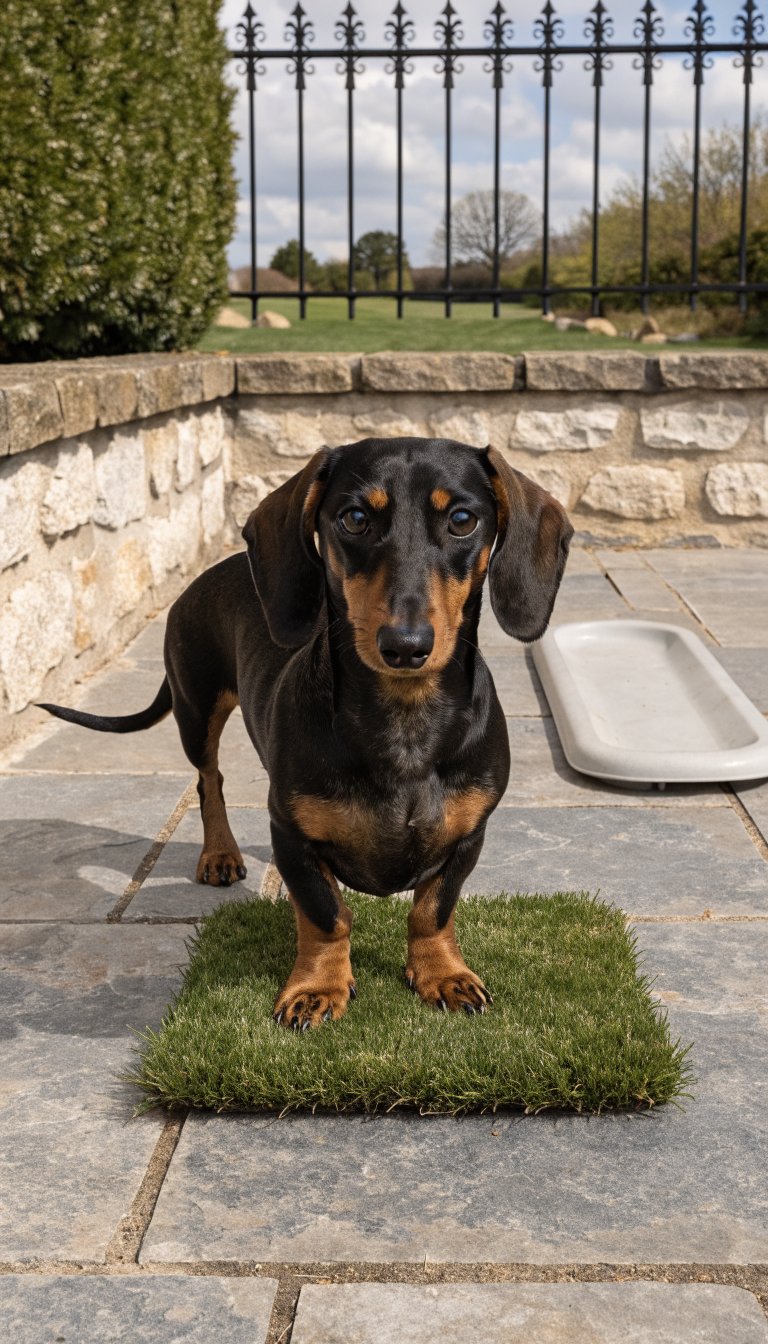
Environment plays a huge role. A slippery floor, a noisy yard, or a crowded area can throw off a dachshund’s bathroom timing and precision. Small changes can yield big wins.
Smart tweaks to consider:
- Place a dedicated potty mat or a small patch of real grass in a consistent spot
- Keep the area free from strong scents or distractions during potty times
- Open a direct route outside so your dog can access the outdoors without stalling
Why this matters: a stable potty environment reduces hesitation and speeds up learning. Use these cues to create a reliable routine your dog can count on.
6. Relying on Myths Over Data and Observation
People love old wives tales about puppies, but your dachshund deserves something more practical. Learning to read signals and timing beats folklore every time.
Practical steps to stay on track:
- Watch for sniffing, circling, or heading toward the door as potential potty signals
- Keep a simple log: date, time, and outcome to identify patterns
- Adjust schedule or cues based on what your dog is telling you, not on what you think should happen
IMO, data beats guesswork. Let the real-time signals guide you and you’ll see progress more quickly.
7. Forgetting to Baby-Proof the Potty Space
Your pup’s first potty spots should be inviting, clean, and safe. A messy, multi-scented area invites confusion and accidents. Make the space friendly and predictable.
Baby-proofing ideas that work well:
- Clean up with a gentle enzymatic cleaner after every accident to remove the scent lure
- Keep cleaning supplies handy and accessible so you can tidy quickly
- Use a consistent surface so your dog associates the area with relief and privacy
When you create a dedicated, pleasant potty corner, your dachshund learns where to go and you cut down on repeat accidents dramatically.
In each section above, you’ll notice how small, intentional changes create big momentum. The key is consistency, quick rewards, and keeping the training light and fun. FYI, you don’t need to reinvent the wheel—just tune it to your dog’s pace and personality. Seriously, you and your dachshund can master this together.
Conclusion: You’ve got the toolkit now to avoid the seven common mistakes and speed up potty training with confidence. With a little planning, patience, and playfulness, you’ll celebrate cleaner floors and a happier pup in no time.
About the Author

Hazzatul Khan
Dog Care & Training Expert
Hazzatul Khan is a passionate dog lover and canine care specialist with years of experience in dog training, nutrition, and everyday behavior management. He is dedicated to helping pet parents build happier, healthier, and safer relationships with their furry friends through simple, natural, and science-backed dog care advice.