How to Say Sorry to Your Dog: 7 Ways They Understand You
Ever wondered if your pup actually forgives you after a silly misstep or a nap worth of chaos?
These simple, dog-friendly moves prove that saying sorry isn’t just words, it’s actions your dog feels with every wag of the tail.
Stick with me and you’ll have a playbook that makes amends feel instant and real for your furry best friend.
1. Read Their Mood First, Then Fix the Moment
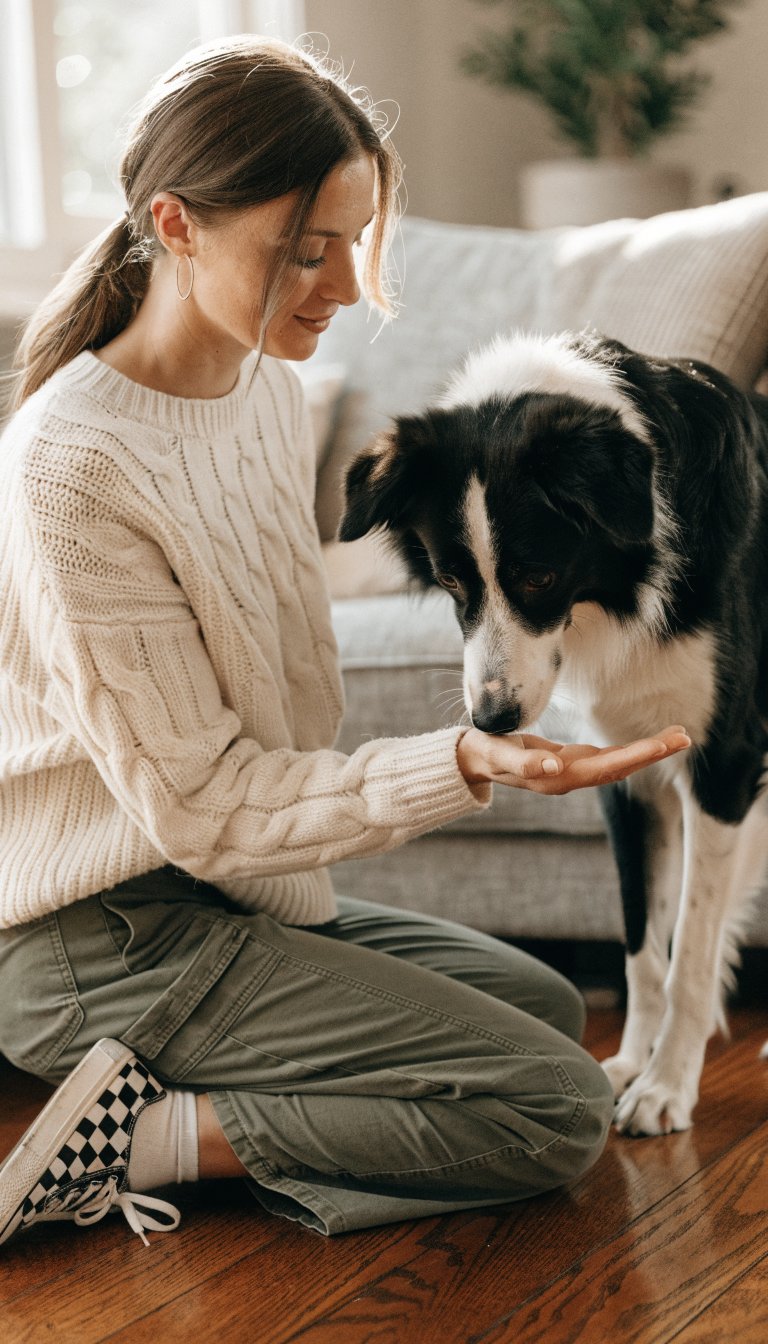
Dogs speak in vibes more than words, so start by tuning into their current mood. Are they leaning away or seeking closer contact after your excuse is issued?
When you respond to what they’re signaling, you show you care about their emotional state, not just your own guilt trip. FYI, timing matters more than grand gestures.
Key Points
- Observe tail position, ears, and body posture
- Pause before you speak to gauge comfort level
- Answer with calm energy and gentle touch
Why this works: dogs associate your calm, respectful behavior with safety. Do this and you decrease the chance of triggering fear or defensiveness.
2. Use a Soft Voice and Gentle Body Language
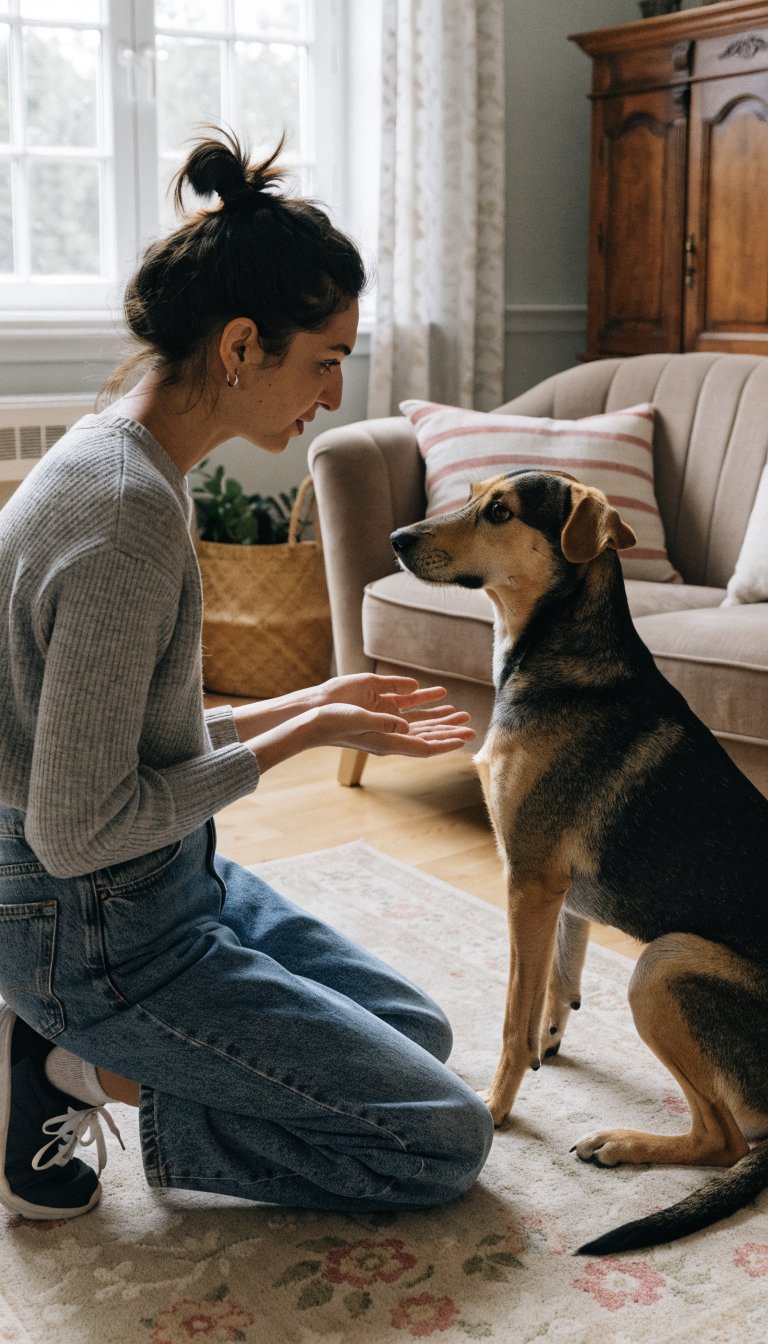
Your tone can soothe or rile up a pup in a heartbeat. A soft, steady voice says you’re not a threat, you’re a caregiver.
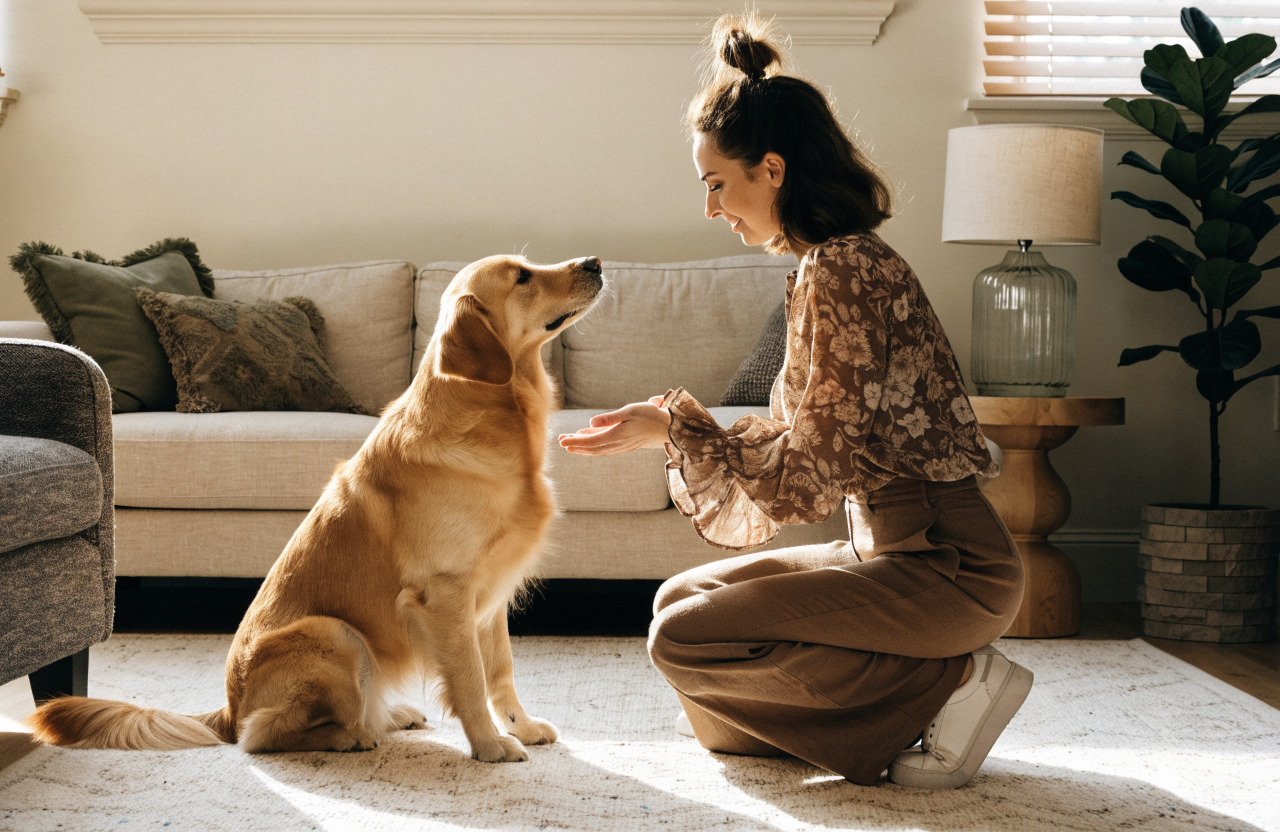
Combine that with open palms, slow movements, and a relaxed stance to communicate repair rather than punishment. This is your secret sauce for trust.
Tips
- Speak in short, reassuring sentences
- Keep hands at chest height and open
- Avoid abrupt movements that spike their adrenaline
Bonus benefit: this approach makes future apologies easier when accidents happen again—your dog already trusts your intent.
3. Offer a Genuine, Kind Reward Right After the Slip
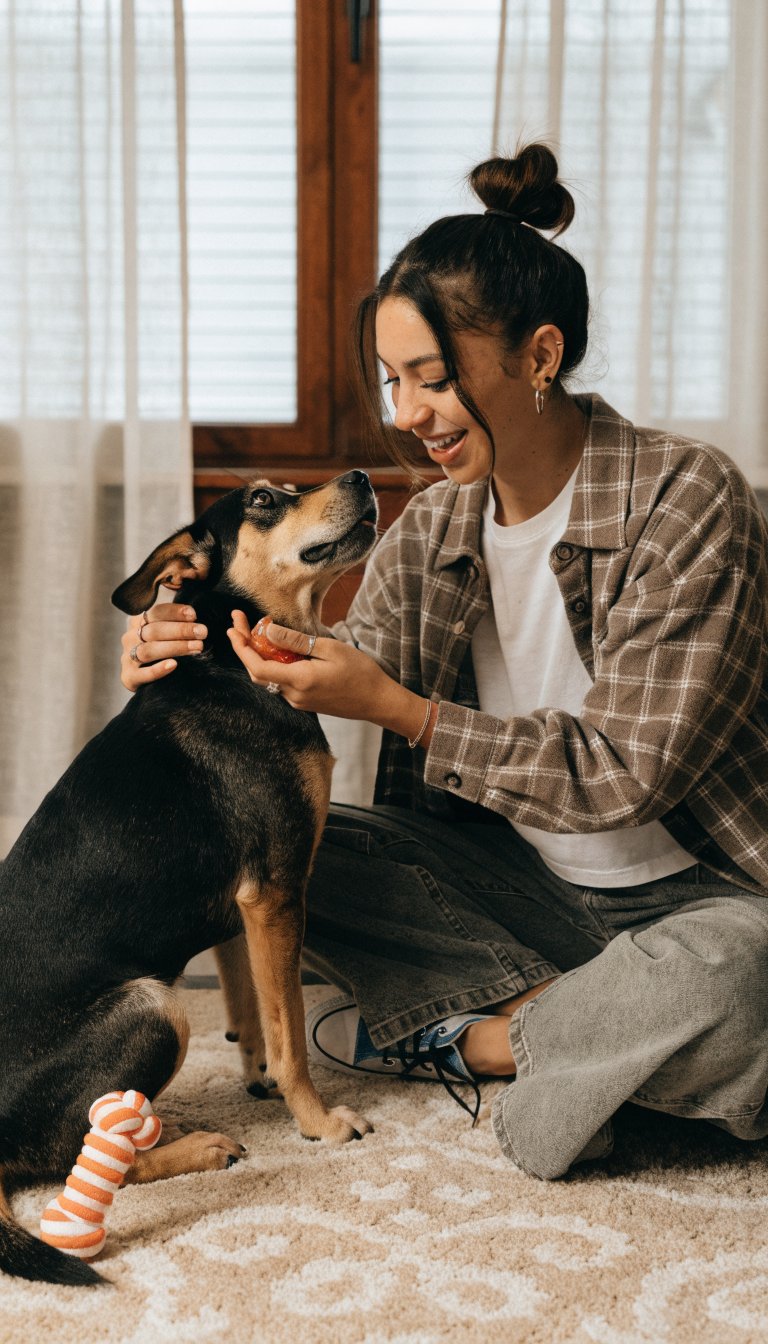
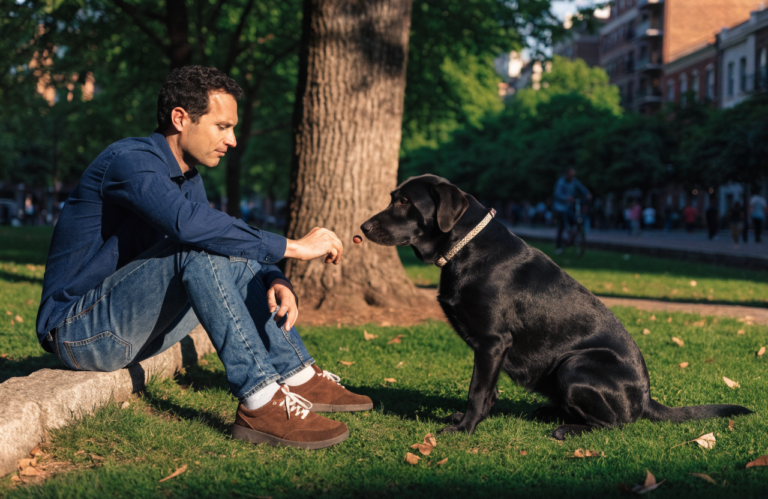
Apologies are louder with a tasty act of kindness. A treat or a favorite toy says you want to make amends, not just smooth things over.
Pair the reward with affectionate talk and soft pets to seal the moment. Trust me, the association sticks fast.
Ways to Reward
- Offer their favorite treat while you speak calmly
- Give a short, goofy compliment like You’re the best
- End with a quick sniff-and-lick moment that feels natural
When to use: after a mishap like a slammed door or a noisy bark that startled them. The goal is safety, comfort, and connection.
4. Create a Quick Ritual That Signals Reconciliation
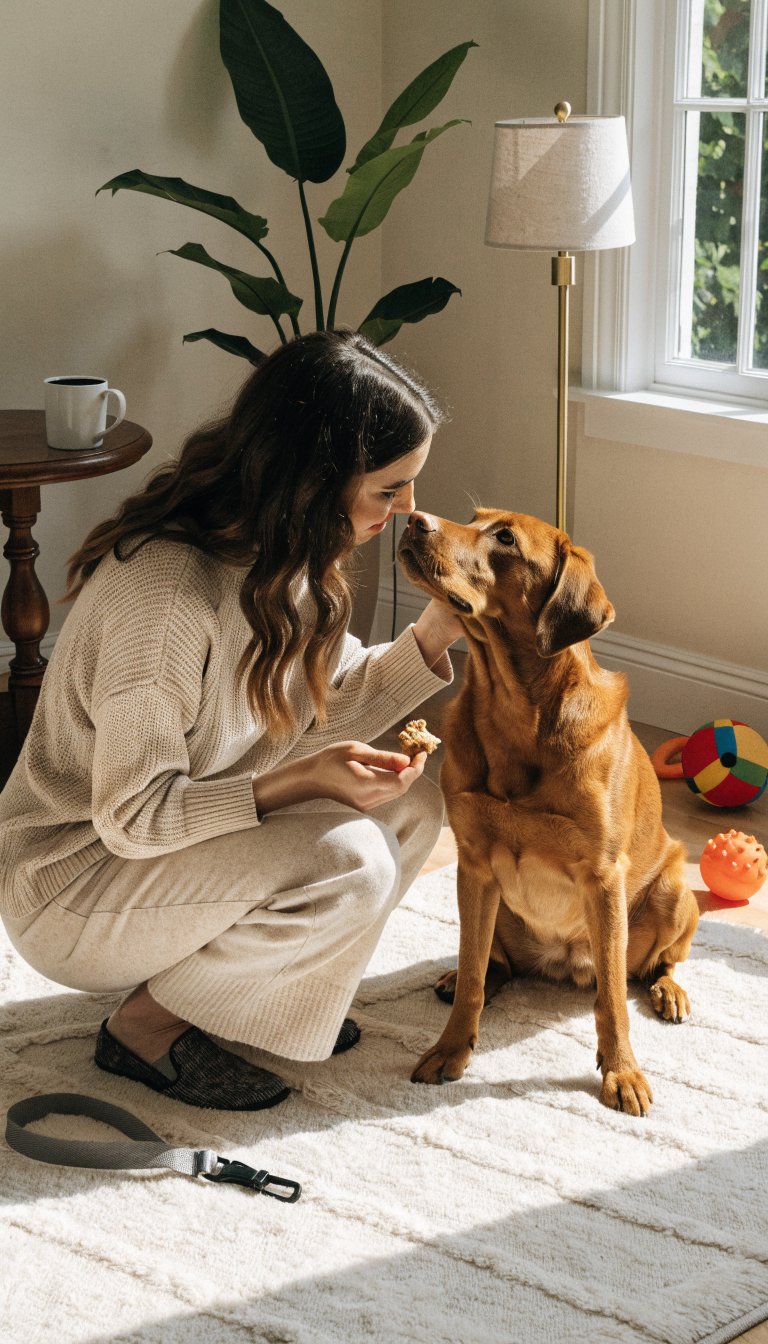
Rituals help dogs feel secure. A simple, repeatable routine says This moment is over and we move forward together.
Think a brief cuddle, a voluntary leash walk, or a short training minute followed by play. It’s not about overdoing it, it’s about consistency.
Ritual Ideas
- A 30-second cuddle and a gentle scratch behind the ears
- A short sit-stay or paw command followed by praise
- A brisk 5-minute sniff walk to reset their attention
Benefits: routines reduce confusion after a slip, and your dog learns that repair equals closeness and fun.
5. Be Consistent With Boundaries and Boundaries Repaired

Consistency is not punishment, it’s clarity. If your dog thinks apologies mean extra freedom, they’ll push boundaries again to test you.
Set clear rules in a kind way and stick to them. This helps your dog understand what behavior deserves forgiveness and what doesn’t.
What to Do
- Reinforce predictable rules during every interaction
- Use the same phrases for quiet, calm, and coming back to you
- Replace scolding with calm redirection and praise
Why this matters: predictable behavior equals less anxiety and more trust long term. It also makes apologies feel genuine rather than performative.
6. Mirror Their Perspective With Gentle Games
Play is how dogs process emotions and rebuild bonds. A quick game shows you’re in their world, not just asking for forgiveness.
Try a short fetch, a nose-work puzzle, or a playful tug that finishes with a gentle release and a pat on the head. Keep it light and fun.
Game Ideas
- Peek-a-boo with a toy
- Scent treasure hunt around the room
- Soft fetch with a ball that squeaks quietly
Bottom line: play signals that you value joy and companionship, not guilt trips. IMO your dog will bounce back quicker when the mood swings are met with positive engagement.
7. Own Your Mistake Gracefully And Move Forward
Admitting a blunder is powerful for humans and dogs alike. A simple, honest acknowledgment lets your dog know you respect them enough to be real.
Keep it brief, warm, and non-defensive. Then switch to action that strengthens your bond. Seriously, they forgive faster when they see your sincerity in action.
How to Say It
- Use a soft voice: I’m sorry, buddy
- Acknowledge the impact: I know that scared you
- Follow with a positive activity: Let’s play or go outside
Result: trust grows, missteps become teachable moments, and your relationship stays solid as a rock.
If you’re wondering when to apply these, start with the moment you sense their mood shift and keep the follow-through consistent. Trust me, your dog will start to read your intention before your words even land.
And to recap quickly: read their mood, speak softly, reward with kindness, create rituals, stay consistent, play from their perspective, and own your mistakes gracefully.
So, are you ready to try these seven steps and see your dog lean in with a wag that says I forgive you, you goofy human?
We’ve got this. You’ve got this. Time to test these ideas and watch the trust bloom.
Now grab a treat, a toy, and a calm voice, and start healing that bond today.
About the Author

Hazzatul Khan
Dog Care & Training Expert
Hazzatul Khan is a passionate dog lover and canine care specialist with years of experience in dog training, nutrition, and everyday behavior management. He is dedicated to helping pet parents build happier, healthier, and safer relationships with their furry friends through simple, natural, and science-backed dog care advice.