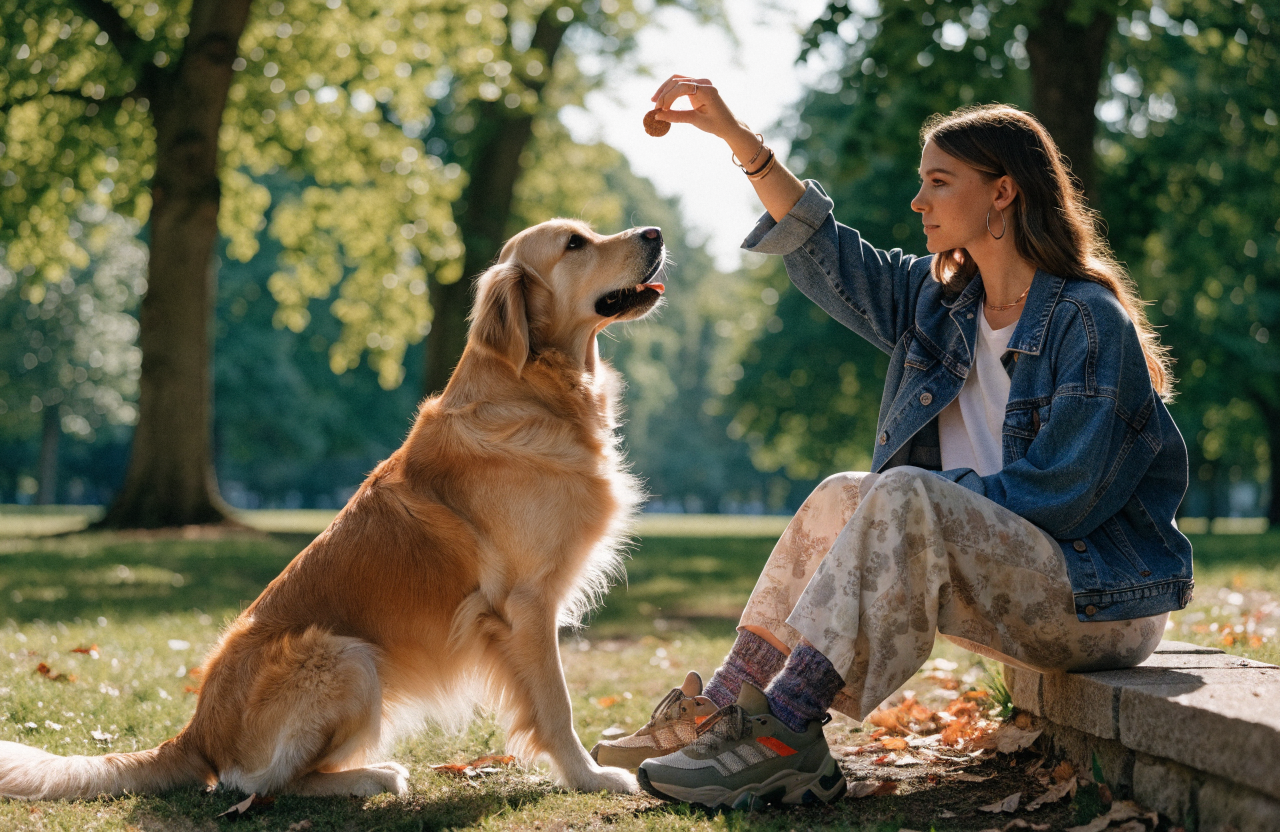
Golden Retriever Training: 9 Everyday Skills to Teach First
Ever wondered why your Golden seems smart in spots but rambunctious in others? You’re not alone, and you’re in the right place.
These bite sized skills are practical, repeatable, and totally doable with a cup of coffee and a positive vibe. FYI, consistency beats intensity every single time.
Stick around to snag simple drills you can weave into daily routines and see real progress without turning training into a full time job.
1. Come When Called (The Foundation for Everything)
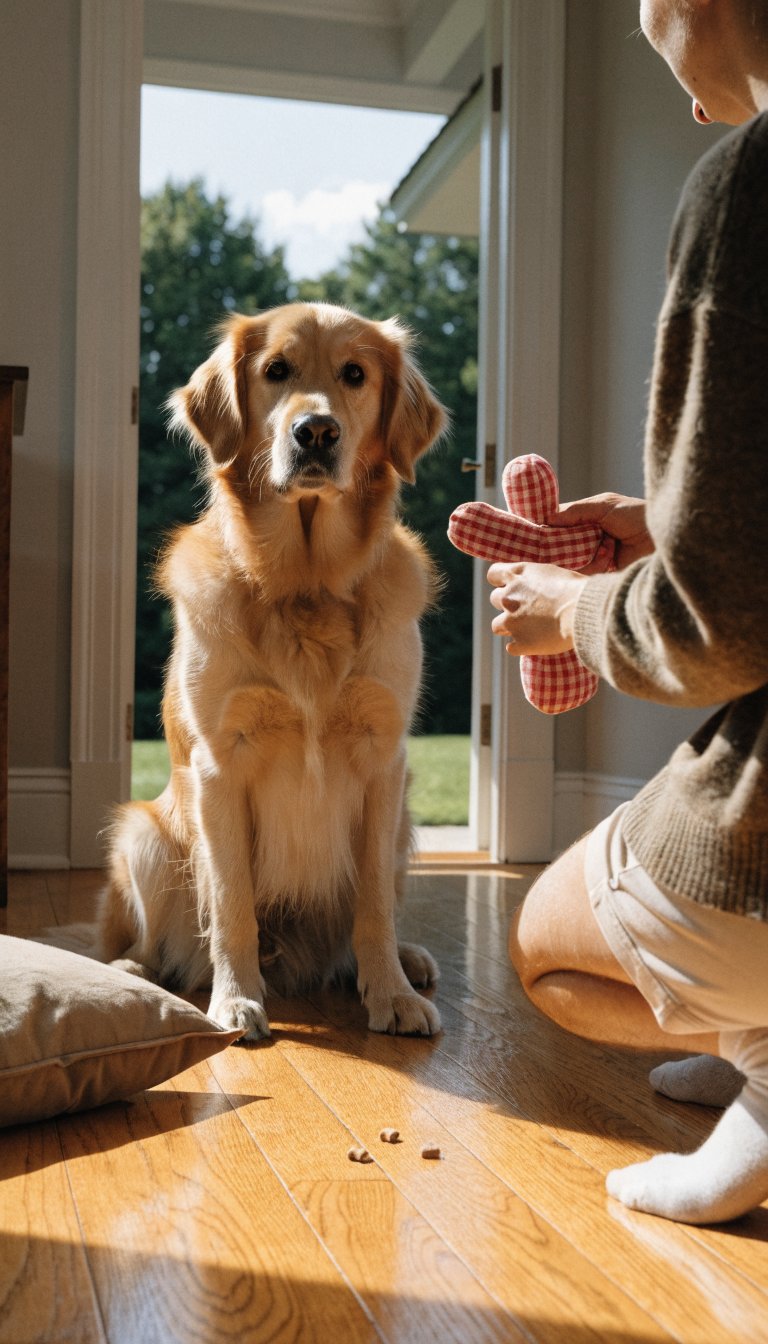
Let’s start with the skill that saves you from chasing a dog around the block. A reliable recall gives you freedom and peace of mind.
Why it matters: it keeps your pup safe, strengthens trust, and makes walks less chaotic. No excuses here—consistency is the hero.
Key Points
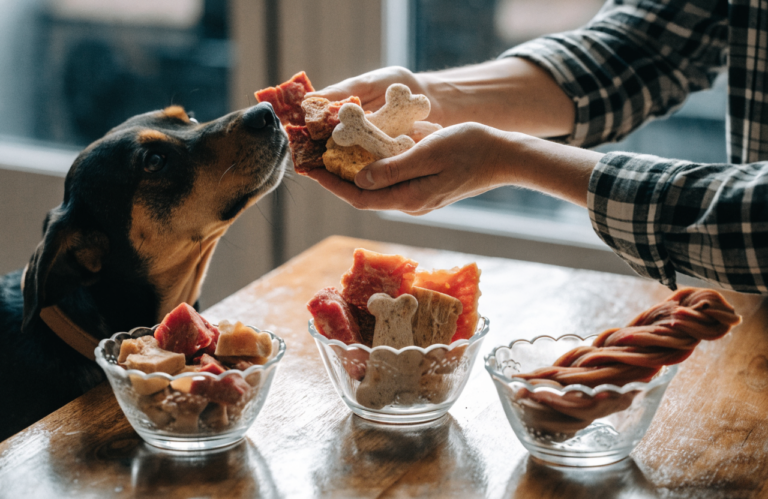
- Use a tasty reinforcer like small treats or a favorite toy
- Practice in low distraction then progressively increase the environment
- Add a release cue so your dog knows when the game is on or off
Tips: start indoors, add a dog-friendly phrase, and gradually invite background noises. You can make this a game by calling from different corners of the house. The payoff is worth it
Benefits: safer outings, fewer pulled arms, and a dog that actually wants to come back to you. Use it every day during playtime or errands.
2. Sit and Stay: Calm Composure with a Tail Wag
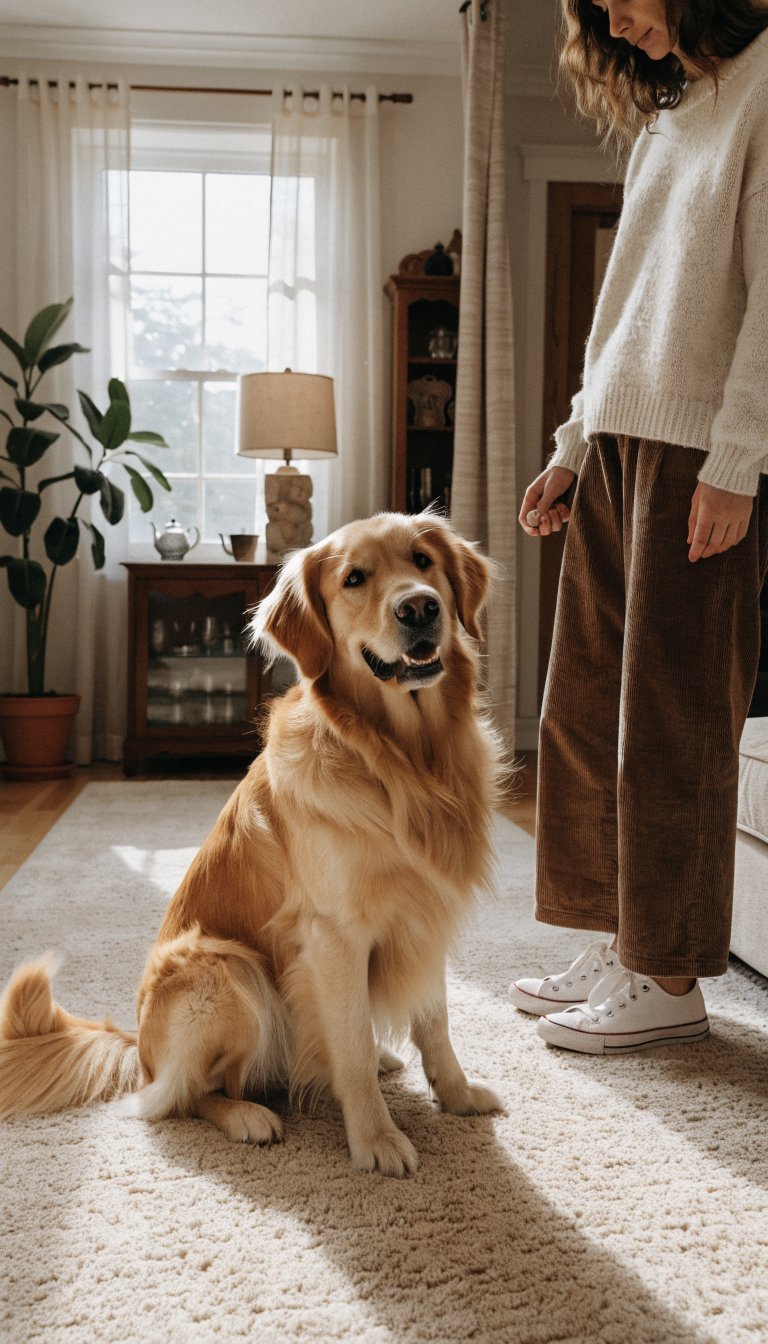
Teaching sit and stay early stops a lot of impulsive moments and helps you handle doorways without chaos.
Why it matters: calm dogs listen better and obedience becomes practical rather than theoretical.
Tips
- Pair the sit with a click or verbal cue you use consistently
- Gradually extend the stay duration with gentle patience
- Short, frequent practice sessions beat long, tedious ones
Notes: use a soft voice and praise generously. After you master it at home, bring it to busy parks and keep rewards handy. The goal is reliable behavior in real life, not perfection in a quiet room.
3. Loose Leash Walking: The Gentle Leader Moment

Say goodbye to tugging and hello to a walk where you actually notice your surroundings without losing your shoulder to a pulling beast.
Why it matters: it makes strolls pleasant for both of you and reduces the risk of injuries or pulling fights at the end of the leash.
Materials
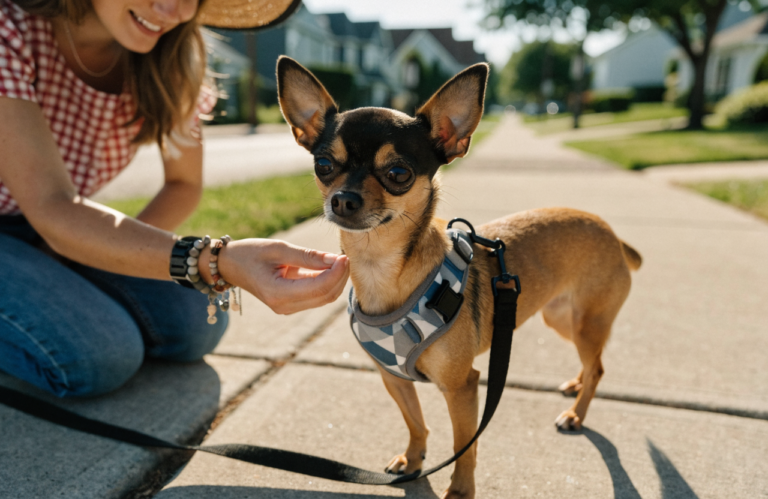
- A well fitting harness or collar you both tolerate
- High value treats for redirection
- A treat pouch you’ll actually carry
Practice plan: start in a quiet area, reward feet at your pace, and gradually add mild distractions. Keep sessions short and frequent so your pup stays engaged rather than frustrated.
Outcome: smoother walks, less stress at the curb, and a dog who enjoys outdoor adventures as a team effort.
4. Leave It and Drop It: Safeguarding Treasure Time

Curiosity is cute until it becomes a snack the vet would rather never see again. This skill protects your pup and your belongings.
Why it matters: it teaches impulse control, reduces risky behavior, and builds self control in tempting situations.
Key Points
- Use a clear cue like “leave it” and reward when your dog complies
- Start with visible items and then move to smaller temptations
- Swap for a preferred item to keep the game engaging
Pro tip: practice during ordinary moments, not just when you’re cooking or cleaning. Consistency is the secret sauce here. Trust me, it pays off when your dog spots a tempting thing and calmly returns to you instead of the item.
Benefit note: fewer snack raids, safer excursions, and a dog that can resist the urge to grab everything in sight.
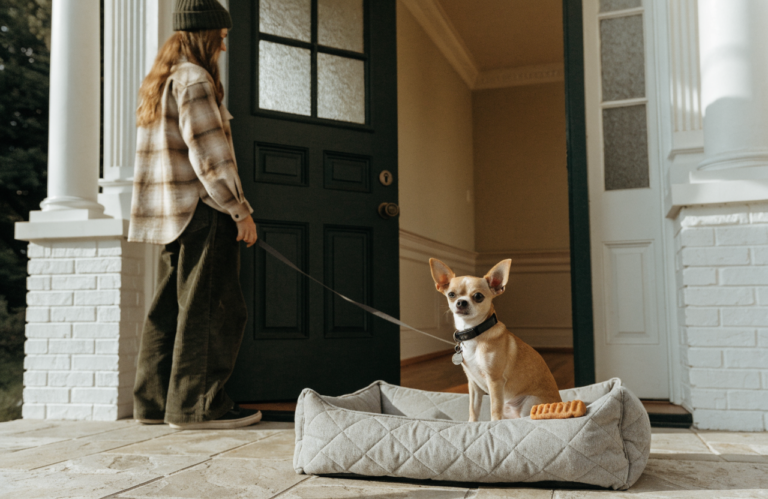
5. Place or Bed Command: A Personal Space You Own

Give your Golden a cozy zone that signals calm and control. This is a go-to strategy for guests, mealtime, or packing up for a trip.
Why it matters: it creates a reliable boundary and reduces zoning out in busy rooms.
Implementation
- Choose a mat or bed that feels like a throne to your pup
- Use a clear cue like “place” and reward when all feet are on the surface
- Gradually introduce distractions while maintaining calm behavior
End result: a dog who understands personal space and a home that feels less chaotic during visits or routine transitions.
When to use: during meals, when guests arrive, or when you need a quick reset after playtime.
Conclusion: imagine your dog calmly staying while you answer the door or prepare dinner. That peace of mind is priceless and totally doable with consistency.
6. Gentle Greeting: Manners at the Front Door
Your Golden is friendly and hey, you want that vibe without slobbery chaos or knocked over rugs. This skill makes everyone feel welcome and safe.
Why it matters: it protects guests, prevents accidental nips, and keeps introductions pleasant.
How to Teach
- Reward calm behavior with a treat and a soft voice
- Practice with family members rotating in and out of the room
- Gradually add doorbell sounds or ringing while maintaining polite greetings
Practice tip: keep greetings short and sweet at first, then gradually extend the interaction as your dog learns to settle. The result is a well mannered host that actually saves you from drool storms.
Use case: when friends visit, or when you’re bringing in groceries after a long day. It will be worth it, I promise.
7. Quiet Command: Ditch the Barking Ballad
Orderly quiet is underrated and surprisingly doable with a few smart steps and a lot of patience. This skill keeps nerves calm and neighbors happier.
Why it matters: reduces stress during naps or movie nights and makes training more efficient when you need silent focus.
Practical Steps
- Identify triggers and work on short, controlled practice sessions
- Switch to a preferred activity like nose work or puzzle toys during loud moments
- Reward the quiet behavior with treats and praise
Tip: never shout to stop barking; redirect with a known cue and a reward. You’ll get faster results and a happier household.
Benefit: more peaceful evenings, easier vet visits, and a dog who knows when to chill in busy rooms.
8. Fetch with a Purpose: Play That Teaches Boundaries
Fetching is classic for a Golden, but you can mold it into a training session that reinforces coming, dropping, and self control.
Why it matters: it tires your pup in a healthy way and reinforces a healthy play style instead of chaotic chasing.
How to Round It Out
- Use a favorite toy and a consistent fetch area
- Incorporate a drop it cue and reward for returning the toy
- Limit to a set number of throws to keep sessions short and enjoyable
Optional twist: add a command like “bring it here” before you throw and “leave it” after the fetch. This helps blend play with obedience in a natural, fun way.
Result: a reliable fetch buddy who knows when to pause, when to return, and when to drop with a smile.
9. Sit Pretty and Shake: A Cute Bonus for Tricks That Impress
Tricks aren’t just for the cute factor; they reinforce listening, balance, and focus while keeping routines light and fun.
Why it matters: it builds confidence, strengthens your bond, and gives you moments to celebrate tiny wins along the way.
How to Approach
- Teach small steps: sit, then a light lift of a paw for a shake
- Reward heavily for steady behavior and gradually require a longer hold
- Keep sessions short but frequent to maintain interest
Tip: mix in a goofy moment every now and then to keep your dog excited about training.
Remark: these playful actions reinforce your leadership role and remind your dog training can be fun, not tedious.
Conclusion: you’ve got nine practical skills that pack big results, and your Golden Retriever will thank you with wagging tails and extra patience. Start small, keep it consistent, and you’ll see real, steady progress that makes both your days and your pup’s days brighter.
About the Author

Hazzatul Khan
Dog Care & Training Expert
Hazzatul Khan is a passionate dog lover and canine care specialist with years of experience in dog training, nutrition, and everyday behavior management. He is dedicated to helping pet parents build happier, healthier, and safer relationships with their furry friends through simple, natural, and science-backed dog care advice.