Dog Training for Beginners: What to Teach First
Are you ready to unlock your dog’s best behavior without turning it into a science project?
These basics lay the foundation for a confident, happy pup and a calmer home for you both.
Stick around to learn practical steps you can start today and why each one matters in real life.
1. Establish a Reliable Sit as the Foundation

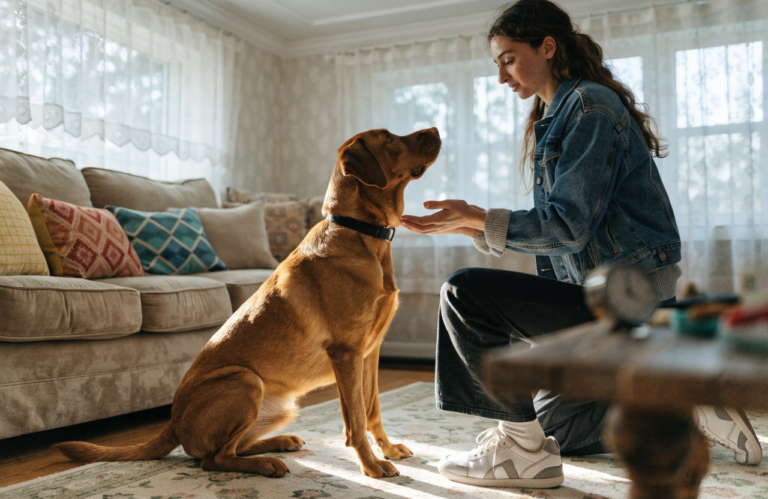
Sitting is the gateway trick that sets the tone for focus and self-control. When your dog learns to pause on cue, you gain a reliable tool for managing impulse moments.
Key points to nail this fast:
- Use a high value treat and a clear cue like “Sit”
- Mark the behavior with a clear sound and reward immediately
- Practice in short, frequent sessions across different rooms
Practice makes progress and progress builds confidence. A solid sit makes everything else easier and helps with leash manners too.
2. Master the Loose Leash Walk Before Anything Else

This is the dream trick that keeps walks calm and enjoyable. A dog who walks nicely on a leash reduces stress on both ends of the line.
What to focus on from day one:
- Keep sessions short with lots of rewards for paying attention near your side
- Use a marker like “Yes” or a clicker to reinforce early look and step
- Gradually add distractions so your dog stays connected
Here is a simple workflow: start indoors, move to a quiet yard, then a busy street. Seriously, progress compounds when you practice consistently.
3. Come When Called: A Reliable Recall You Can Trust

Imagine being able to call your dog back in any situation. A solid recall buys safety, freedom, and fewer nerves on neighborhood strolls.
Tips to build it fast and firmly:
- Start with a long line in a safe space and gradually remove reach
- Pair the cue with a happy, highly rewarding consequence
- Never punish the recall moment; end on a high note
Recall is strongest when you keep it fun and frequent. FYI, your dog will test boundaries, but consistency wins the day.
4. Name and Treat-based Attention: The Quiet Focus Trick

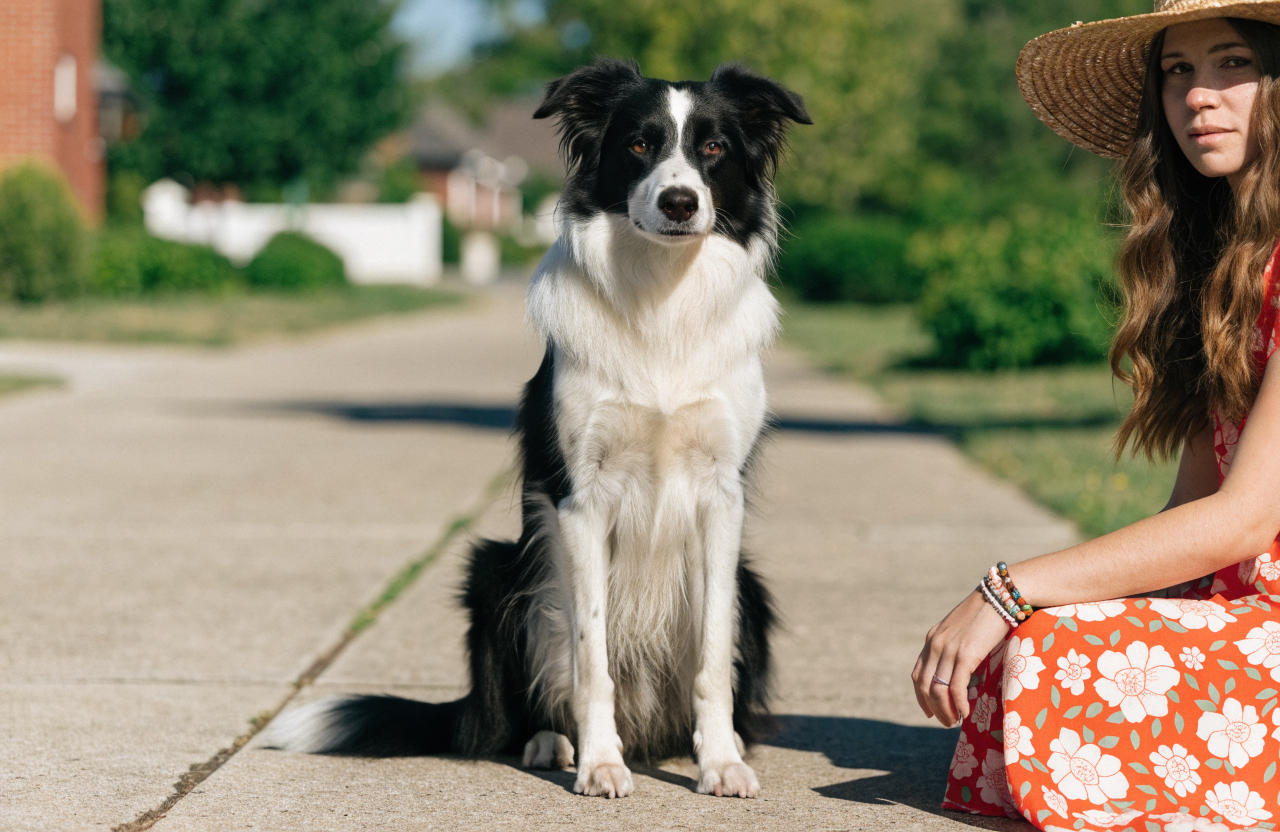
Getting your dog to look at you on command is incredibly powerful for impulse control and safety. It also makes training feel like a game your pup actually enjoys.
How to start:
- Call their name and reward the moment they look at you
- Keep sessions upbeat and quick to avoid frustration
- Gradually add more distance and mild distractions
Focus builds trust between you two and makes every other cue easier to teach. Trust me, you’ll notice the difference in car rides and doorways.
5. Safe, Gentle Boundaries: No-Going-Into-The-Cortical Zone

Boundaries teach self control and protect your pup from learning the wrong habits. This includes doorway management, staying in a designated area, and gentle handling.
Practical setup to get started:
- Use a hand signal paired with a verbal cue for stay or settle
- Create a calm space with a mat or bed and reward staying there
- Introduce small thresholds and practice waiting before meals or walks
Boundaries reduce chaos and give your dog a clear structure to thrive within. When your dog knows their boundaries, you both feel more secure and happy.
Final tips for all five sections: stay positive, keep sessions short, and celebrate micro-wins. Trust me, your dog mirrors your energy, so bring steady enthusiasm and a sense of humor to every session.
Now that you have a practical plan, you can tailor these basics to your dog’s breed, age, and personality. Remember, consistency and patience pay off big time, and you’ll see progress faster than you expect.
Ready to start applying these ideas tonight? Grab some treats, your leash, and your best high-five energy, and go have fun with your furry co pilot.
About the Author

Hazzatul Khan
Dog Care & Training Expert
Hazzatul Khan is a passionate dog lover and canine care specialist with years of experience in dog training, nutrition, and everyday behavior management. He is dedicated to helping pet parents build happier, healthier, and safer relationships with their furry friends through simple, natural, and science-backed dog care advice.